

Common Causes of Back Pain and How to Fix Them
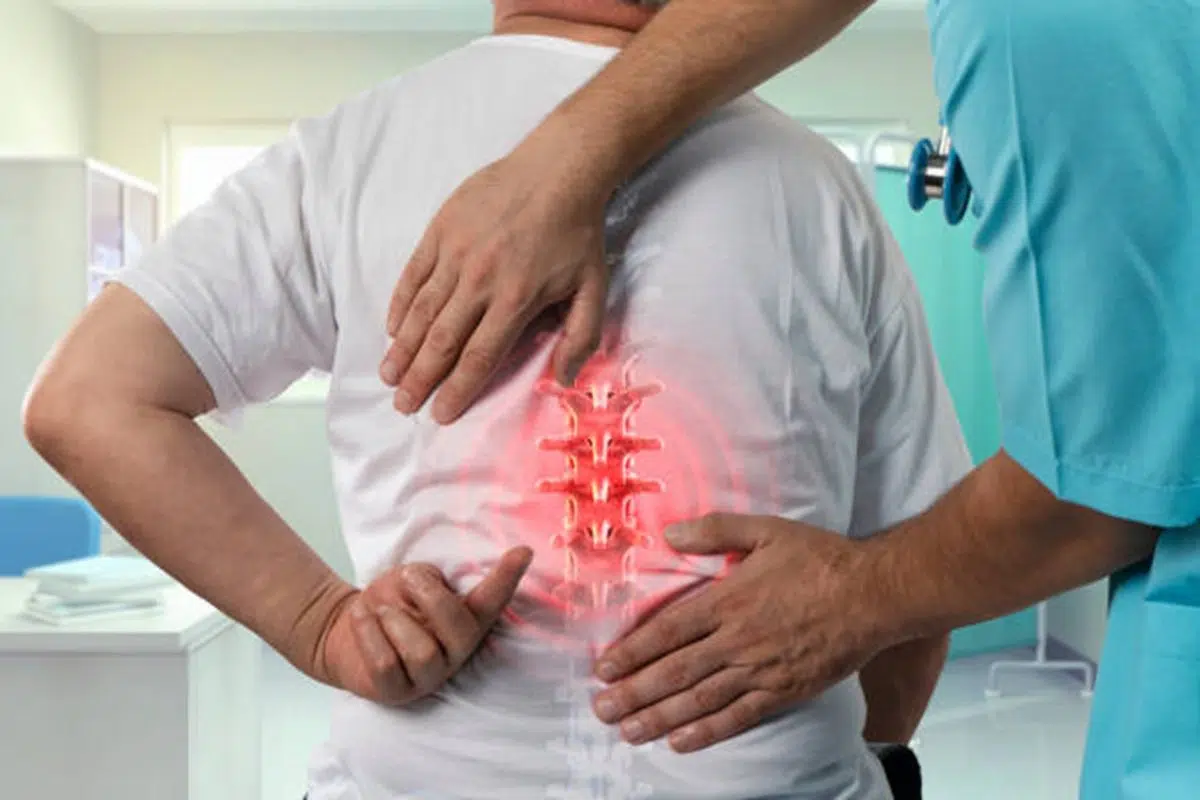
Back pain often starts small but grows into a daily struggle if ignored. It affects movement, sleep, and even mood. Simple actions like bending, lifting, or sitting for long hours start feeling heavy. In most cases, the issue links back to muscle strain, poor posture, weak core strength, or spinal stress.
The good part is that this condition is highly manageable when the root cause is identified early. Physiotherapy-based care, posture correction, and guided exercises help reduce pain and improve movement safely. Understanding why pain starts is the first step toward long-term relief.
Muscle Strain and Poor Posture: Daily Habits That Hurt the Back
Muscle strain often develops without warning. It usually happens during lifting, sudden movement, or awkward bending. Poor posture adds constant pressure on the spine, especially during long sitting hours. When posture stays incorrect for too long, muscles become tight and tired. Over time, pain becomes more frequent and stiffness increases.
Key signs include:
- Dull or sharp pain in the lower back
- Tightness after sitting for long hours
- Pain during bending or twisting
- Stiffness in the morning hours
Helpful correction steps:
- Maintain an upright sitting posture with back support
- Keep your feet flat on the ground while sitting
- Take movement breaks every 30–45 minutes
- Stretch gently during long work hours
Posture correction combined with muscle relaxation techniques often brings noticeable relief.
Herniated Disc and Nerve Pressure: When Pain Travels Down the Body
A herniated disc happens when spinal cushioning shifts out of place and presses on nearby nerves. This can cause pain not only in the back but also in the legs. The pain may feel sharp, burning, or radiating. This condition develops due to aging, repeated strain, or improper lifting techniques.
Common symptoms include:
- Pain spreading to the legs or buttocks
- Tingling or numbness sensations
- Weakness while walking or standing
- Increased pain while sitting
Care and management options:
- Physiotherapy-guided rehabilitation exercises
- Controlled stretching routines
- Avoiding heavy lifting and sudden twisting
- Core strengthening under supervision
Proper movement guidance plays a major role in recovery and long-term stability.
Sedentary Lifestyle and Weak Core: Silent Cause of Back Pain
Long sitting hours weaken core muscles, which are responsible for supporting the spine. When these muscles lose strength, the lower back takes extra pressure. This leads to stiffness and recurring pain. This is common in desk-based routines and low-activity lifestyles.
Signs of weak core and inactivity:
- Stiffness after waking up
- Pain after long sitting periods
- Reduced flexibility in the back
- Fatigue during simple movements
Improvement strategies:
- Daily walking routines for at least 20–30 minutes
- Core strengthening exercises like bridges or planks
- Regular stretching breaks during work
- Avoid staying in one position for too long
Movement keeps the spine active and reduces stiffness significantly.
Stress and Muscle Tension: Emotional Load on the Spine
Stress does not stay in the mind alone. It often shows up physically as tight muscles, especially in the back and shoulders. Emotional pressure increases muscle tension and reduces natural relaxation. Over time, this leads to constant discomfort and fatigue in the back.
Common indicators:
- Tightness in the upper or lower back
- Headaches linked with muscle tension
- Difficulty relaxing muscles
- Increased pain during stressful periods
Simple relief methods:
- Deep breathing exercises
- Gentle yoga or stretching routines
- Regular sleep schedule
- Short relaxation breaks during the day
Relaxing the nervous system often helps reduce physical pain.
Injury and Sudden Strain: When Back Pain Appears Suddenly
Back pain can also start due to a sudden injury. This includes falls, sports strains, or improper lifting. The pain may appear instantly or develop within hours.
Muscles, ligaments, or joints may be affected depending on the intensity of injury.
Typical signs include:
- Sudden sharp pain in the back
- Difficulty moving normally
- Swelling or stiffness in the affected area
- Pain during basic movements
Recovery approach:
- Initial rest with ice application
- Gradual return to movement
- Guided rehabilitation exercises
- Avoiding early overexertion
Proper recovery steps reduce the risk of long-term complications.
Simple Habits That Support a Healthy Back
Good habits protect the spine and reduce the chance of recurring pain. Small changes in daily routine can make a big difference over time.
Helpful habits include:
- Keeping posture straight while sitting and standing
- Avoiding heavy lifting without support
- Staying physically active every day
- Using a supportive mattress for sleep
- Keeping screens at eye level
Consistency in these habits improves spinal health gradually.
When Back Pain Needs Attention
Not all back pain is minor. Some cases require professional evaluation to avoid worsening conditions.
Warning signs:
- Pain lasting more than two weeks
- Pain spreading to the legs
- Numbness or weakness in limbs
- Difficulty standing or walking
Early attention helps in accurate diagnosis and faster recovery.
Back Pain Care at Churchill Physiotherapy Clinic
Churchill Physiotherapy Clinic provides structured care for different types of back pain. Each case is assessed to understand the exact cause before starting treatment. Our physiotherapists and chiropractors design personalized recovery plans based on movement patterns, strength levels, and pain conditions. Treatment focuses on restoring mobility, improving posture, and building strength. The goal is to support long-term recovery and prevent future pain episodes.
Move Better, Live Pain-Free with Churchill
Pain should not control daily life. With the right care, movement can become easier and more comfortable again. Churchill Physiotherapy Clinic provides expert physiotherapy care focused on identifying the root cause of pain and restoring safe, natural movement.
Book a consultation today and take the first step toward a stronger, healthier, and pain-free life.
Frequently Asked Questions
- What is the most common cause of back pain?
Poor posture and long sitting hours are the most common causes of back pain. They increase pressure on the spine and cause muscle fatigue. Over time, this leads to stiffness and discomfort, especially in the lower back region.
- Can back pain heal without treatment?
Mild back pain may improve with rest and movement changes. However, recurring or long-term pain often needs physiotherapy. Without treatment, the root cause may remain and cause repeated discomfort.
- How does physiotherapy help back pain?
Physiotherapy improves posture, strengthens muscles, and increases mobility. It also corrects movement patterns. This reduces strain on the spine and helps prevent future pain episodes.
- Is exercise safe for back pain?
Yes, but only controlled and guided exercise is safe. Light movement helps improve flexibility and strength. Wrong exercises can worsen pain, so proper guidance is important.
- How long does recovery take?
Recovery time depends on the cause and severity of pain. Some cases improve in a few weeks, while others take longer. Regular physiotherapy helps speed up recovery.
Disclaimer
This article is for educational purposes only and does not replace professional medical advice. Back pain conditions vary from person to person. Always consult a qualified physiotherapist or healthcare professional before starting treatment or exercise.