

How to Improve Balance in Seniors Safely
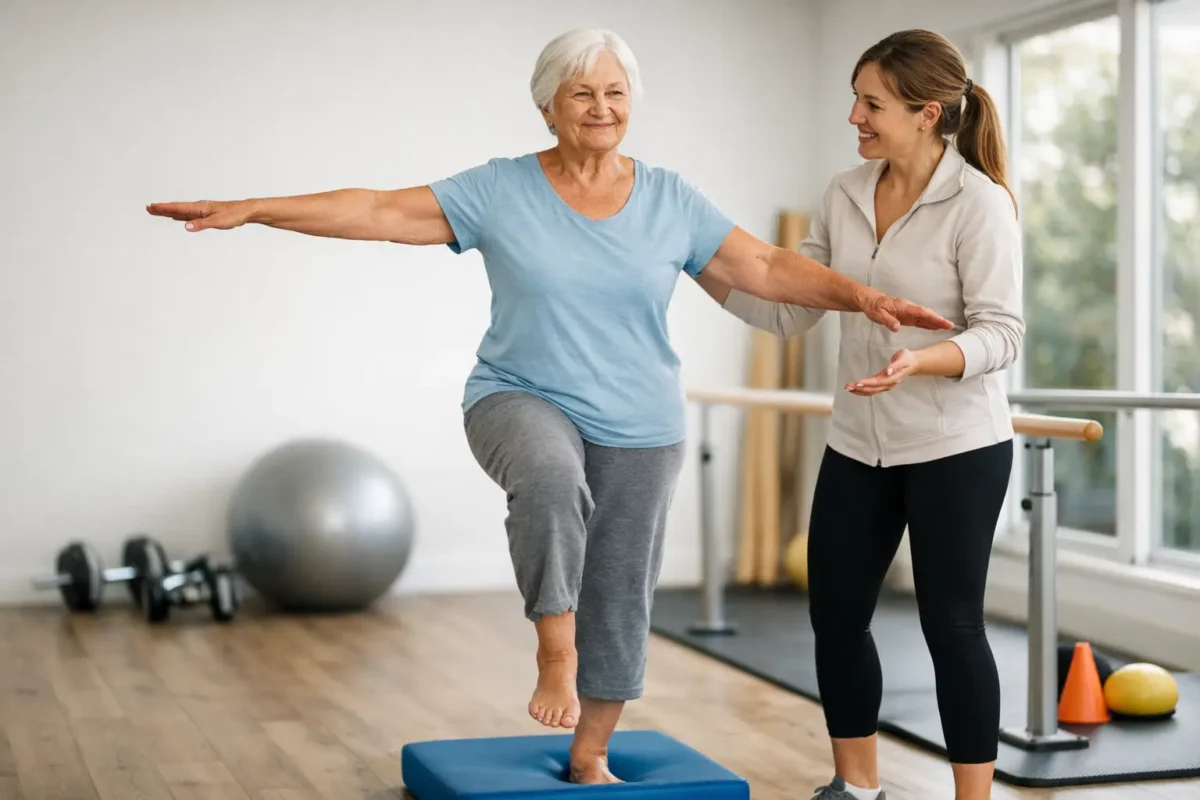
A missed curb, a quick turn toward the kitchen counter, or getting up too fast after watching television can be enough to make an older adult feel unsteady. Learning how to improve balance in seniors is not simply about preventing falls. It is about protecting confidence, independence, and the ability to keep doing everyday activities safely.
Balance can change gradually, so many people adjust without realizing it. They may hold furniture while walking through the house, avoid stairs, stop carrying laundry, or decline outings because uneven ground feels risky. These changes deserve attention. With the right assessment and a consistent plan, many seniors can improve their steadiness and move with greater confidence.
Why Balance Changes With Age
Balance depends on several body systems working together. The eyes help us judge where we are in space, the inner ear detects head movement, nerves in the feet and joints provide position feedback, and the brain processes this information quickly. Muscles then need enough strength and reaction time to make small corrections before a stumble becomes a fall.
Age can affect each part of this system, but age alone is not the full explanation. Reduced leg strength, stiff ankles or hips, arthritis pain, reduced sensation in the feet, vision changes, medication side effects, dehydration, and inactivity can all contribute. Dizziness related to the vestibular system in the inner ear can also make standing and walking feel unpredictable.
The good news is that balance is trainable. The most effective approach addresses the factors affecting the individual rather than relying on a generic exercise sheet.
Start With a Safety and Health Check
Before starting a new balance routine, consider what may be causing the unsteadiness. A new or sudden change in balance should be assessed promptly, particularly when it occurs with severe headache, chest pain, weakness or numbness on one side, speech changes, fainting, or new confusion. These symptoms require urgent medical attention.
Less urgent symptoms still matter. Repeated falls, dizziness when rolling in bed or looking up, a feeling that the room is spinning, numb feet, or a growing fear of walking are all good reasons to speak with a healthcare professional. A physician or pharmacist can review medications and health conditions, while a physiotherapist can assess walking pattern, leg strength, joint movement, reaction time, and vestibular function.
For someone who has fallen, the details are useful. Did they trip, lose consciousness, feel dizzy, or find their leg gave way? Did the fall happen during a turn, on stairs, or when getting out of bed? The answers help identify whether the main issue is strength, mobility, vision, dizziness, home hazards, or a combination of factors.
Build Strength Where Balance Begins
Leg and hip strength are central to steady movement. The muscles around the hips help control side-to-side motion, while the thighs, calves, and ankles help a person rise from a chair, climb steps, and recover from a small loss of balance.
A simple sit-to-stand exercise is often a useful starting point. From a firm chair that does not roll, stand up slowly and sit back down with control. Use the armrests if needed at first. As strength improves, reduce hand support only when it can be done safely. This movement directly supports everyday tasks such as getting out of a car or rising from the toilet.
Supported heel raises and mini-squats can also help. Holding a stable kitchen counter, rise onto the toes and lower slowly, or bend the knees slightly while keeping the chest lifted and knees aligned with the feet. The goal is controlled movement, not deep bending or pushing through pain.
Walking remains valuable, especially when it is regular and appropriate for the person’s ability. However, walking alone may not adequately challenge the muscles and reactions needed for balance. It works best alongside targeted strengthening and balance practice.
Make Exercises Safe Enough to Repeat
Balance exercises should be performed near a secure support, such as a sturdy counter. A lightweight chair, walker, or unstable table is not a reliable handhold. Wear supportive footwear, keep the area clear, and have another person nearby if the individual is at high risk of falling.
Start with a level that feels challenging but manageable. For example, standing with feet together while lightly touching the counter may be appropriate before attempting a narrower stance. Progress can involve using less hand support, holding the position a little longer, or adding gentle head turns. Closing the eyes or standing on an unstable surface is not appropriate for everyone and should not be attempted without professional guidance.
Practise the Movements That Cause Unsteadiness
Many falls happen during everyday transitions, not while standing still. Turning, stepping around a pet, reaching into a cupboard, walking while talking, and moving from a bright room into a dim hallway all demand quick adjustments.
Practise controlled turns in a clear space. Take several small steps to turn rather than pivoting quickly on one foot. When changing direction while walking, slow down first. If carrying an item affects stability, use a bag that leaves one hand free or make two lighter trips instead.
Stepping practice is also useful. With a counter within reach, practise stepping forward, sideways, and backward, returning to the starting position each time. This can improve weight shifting and help the body respond when a step is needed to regain balance. A physiotherapist may add more specific tasks based on a person’s walking pattern, home environment, and goals.
Address Dizziness Rather Than Avoiding Movement
Dizziness can make people avoid moving their heads, bending down, or walking outside. While this response is understandable, avoiding movement can lead to further stiffness, weakness, and loss of confidence.
Not all dizziness has the same cause. Benign positional vertigo, for example, often creates brief spinning sensations with specific changes in head position and may respond to a targeted repositioning treatment. Other vestibular conditions may require gradual gaze-stability, head-movement, and walking exercises. These exercises must be matched to the diagnosis because the wrong approach can be ineffective or aggravate symptoms.
Vestibular physiotherapy can identify whether the inner ear is contributing to imbalance and provide a carefully progressed plan. If dizziness is persistent, associated with hearing changes, or accompanied by neurological symptoms, medical assessment is also essential.
Make the Home Support Safer Movement
Exercise can improve the body’s ability to recover, but reducing preventable hazards at home is equally practical. Focus first on the routes used every day: the path from bedroom to bathroom, stairs, the entrance, and the kitchen.
Remove loose rugs or secure them with non-slip backing. Keep cords, footstools, and clutter out of walkways. Improve lighting, especially near stairs and bathrooms, and make sure light switches are easy to reach. Install secure handrails on stairs and grab bars where needed. A non-slip bath mat, a shower chair, or a raised toilet seat may be helpful, depending on the person’s mobility.
Footwear matters more than it may seem. Slippers without a secure heel, worn-out shoes, and socks on smooth floors can increase slipping risk. Shoes should fit well, provide traction, and have soles that are not excessively thick or uneven. If foot pain, deformity, or altered sensation affects walking, assessment for appropriate footwear or custom orthotics may be worthwhile.
Support Balance With Everyday Health Habits
Balance work is more effective when the body has the fuel and recovery it needs. Regular meals, sufficient fluids, and enough protein support muscle function. Dehydration can contribute to light-headedness, particularly in warm weather or when certain medications are involved.
Vision should be checked regularly, and multifocal glasses may require extra caution on stairs or uneven ground because they can affect depth perception. Sleep, pain management, and hearing also influence attention and reaction time. For some people, a walking aid is an important tool for staying active safely, not a sign of failure. The correct device and height should be prescribed and fitted properly.
When Physiotherapy Can Help
A one-on-one physiotherapy assessment can clarify why someone feels unsteady and what will make the greatest difference. Treatment may include hands-on care to improve movement, progressive strengthening, gait retraining, vestibular rehabilitation, and practical fall-prevention strategies. Progress is tracked and exercises are adjusted as strength and confidence improve.
At Churchill Physiotherapy Clinic, seniors can receive individualized rehabilitation that considers pain, dizziness, past injuries, mobility limitations, and personal goals such as walking outdoors, managing stairs, or keeping up with grandchildren. This individualized approach is especially useful when balance concerns are connected to arthritis, a recent injury, chronic pain, or a previous fall.
Better balance rarely comes from one exercise performed once in a while. It grows through safe, repeated practice and the confidence that comes from noticing small improvements. A steadier step at the counter today can become a more comfortable walk through the community tomorrow.