

Best Treatments for Tennis Elbow That Work
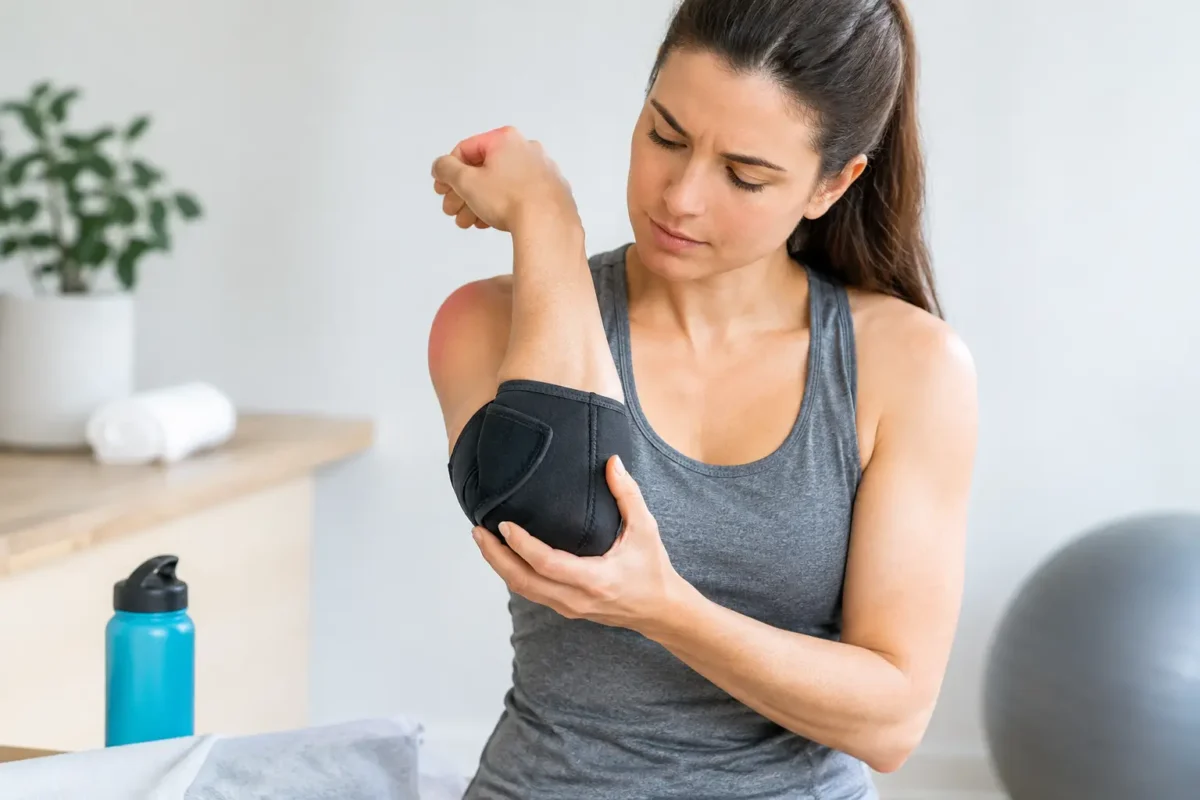
A coffee mug feels heavier than it should. Turning a door handle produces a sharp ache on the outside of the elbow. By the end of a workday, gripping a mouse, lifting tools, or carrying groceries has become a calculation. The best treatments for tennis elbow are not about simply waiting for pain to disappear. They combine symptom relief with a structured plan to restore the tendon’s ability to handle everyday load.
Despite its name, tennis elbow affects far more than tennis players. It is common among people whose work or daily routines involve repeated gripping, lifting, typing, using hand tools, caregiving, racquet sports, or weight training. With the right assessment and progressive care, most people can make meaningful improvement without surgery.
What Tennis Elbow Actually Is
Tennis elbow, also called lateral epicondylalgia or lateral epicondylitis, causes pain around the bony point on the outside of the elbow. The discomfort usually comes from irritation and reduced load tolerance in the tendons that connect the forearm muscles to that area. These muscles help extend the wrist and stabilize the hand during gripping.
The term “epicondylitis” suggests inflammation, but persistent cases are not always driven by inflammation alone. Tendon changes, muscle weakness, repetitive overload, and poor recovery can all contribute. That distinction matters because treatment focused only on reducing pain may provide temporary relief without addressing why the elbow keeps flaring up.
Symptoms often include pain with gripping, shaking hands, pouring from a kettle, lifting with the palm facing down, or extending the wrist. Pain may travel into the forearm, but numbness and tingling are less typical. A clinical assessment is useful because neck problems, nerve irritation, arthritis, and other conditions can sometimes resemble tennis elbow.
Best Treatments for Tennis Elbow: A Combined Approach
There is no single treatment that works equally well for every person. The right plan depends on how long symptoms have been present, the demands of your job or sport, your current strength, and how irritable the elbow is. In most cases, the strongest results come from a combination of activity modification, progressive exercise, hands-on care, and a measured return to normal tasks.
1. Relative rest and smarter activity modification
Complete rest is rarely the answer. Avoiding all use of the arm for too long can lead to further weakness and make normal activities feel harder when you return. Instead, relative rest means temporarily reducing or changing the movements that consistently trigger pain while keeping the arm gently active.
For example, a tradesperson may need to limit forceful, repetitive gripping for a short period or use a larger-handled tool. An office worker may benefit from changing mouse position, taking brief movement breaks, and avoiding a tightly clenched grip on the mouse. At the gym, reducing heavy pulling, gripping, or wrist-extension exercises can calm symptoms while allowing other training to continue.
The goal is not to protect the elbow forever. It is to lower the tendon’s load enough that it can begin tolerating gradual strengthening again.
2. Progressive physiotherapy exercises
Exercise is a central part of long-term tennis elbow recovery. The forearm tendon needs carefully dosed loading to regain strength and capacity. Starting too aggressively can flare pain, while exercises that are too easy or inconsistent may not create enough adaptation. This is where an individualized physiotherapy plan is especially valuable.
Early exercises may include isometric wrist-extension holds. These involve pushing gently against resistance without moving the wrist, which can help reduce pain and begin building tolerance. As symptoms settle, the program typically progresses to slow wrist-extension strengthening with a light weight or resistance band.
Eccentric training, where the muscle gradually lengthens under load, is often included. So is concentric strengthening, where the muscle shortens as it lifts. Both can be useful. The best choice and resistance level depend on the person, not on a one-size-fits-all protocol.
Recovery also benefits from strengthening the shoulder blade, shoulder, and grip. The elbow does not work in isolation. Better control through the arm and upper body can reduce excessive strain on the forearm during work, sport, and lifting.
3. Hands-on treatment for pain and movement
Hands-on physiotherapy may help relieve pain and improve movement, particularly when it is paired with active rehabilitation. Depending on the assessment, treatment can include soft tissue techniques for the forearm muscles, joint mobilization at the elbow or wrist, and guidance on movement patterns that are aggravating the condition.
Manual therapy is not a replacement for strengthening, but it can make exercise and daily activities more manageable in the early stages. If neck stiffness, shoulder weakness, or restricted wrist movement is contributing to the problem, these areas should also be assessed rather than treating the sore elbow alone.
At Churchill Physiotherapy Clinic, one-on-one treatment allows the therapist to adjust care based on your pain response, work duties, and functional goals instead of applying the same routine to every elbow injury.
4. Bracing or taping when it supports function
A counterforce strap worn around the upper forearm, or a wrist splint in selected cases, may reduce discomfort during aggravating activities. These supports can change how force is distributed through the forearm muscles and tendon. They are often most useful for a short period during work, household tasks, or sport participation.
A brace is a tool, not a cure. If it allows you to perform a task with less pain while you build strength, it may be helpful. If it is too tight, causes numbness, or becomes something you feel unable to function without, it needs to be reassessed. Proper placement and fit make a real difference.
5. Medication and cold therapy for short-term symptom control
Cold packs can be useful after a flare-up or a demanding day. Apply a wrapped cold pack for a short period to avoid skin irritation. Some people also find temporary relief with over-the-counter pain medication or anti-inflammatory medication, when appropriate for their health history.
Medication may reduce pain enough to help you sleep or begin rehabilitation, but it does not restore tendon capacity. Speak with a pharmacist, physician, or qualified healthcare professional before using medication if you have kidney disease, stomach ulcers, heart conditions, take blood thinners, are pregnant, or have other medical concerns.
6. Shockwave therapy, acupuncture, and other adjuncts
Some people with stubborn symptoms may consider adjunct treatments such as shockwave therapy or acupuncture. These approaches can be appropriate in certain situations, particularly when they help manage pain and support participation in a broader rehabilitation plan. Results vary, and neither should be viewed as a stand-alone fix.
The key question is whether the treatment is helping you move, strengthen, and return to meaningful activity. Passive treatments that provide only brief relief without improving function may not be worth relying on for the long term.
What About Injections or Surgery?
Injections may be considered when pain remains significant despite appropriate conservative care, but the decision should be made with a physician who can review the benefits and limitations for your case. Corticosteroid injections may offer short-term pain relief for some people, yet they are not always associated with better longer-term outcomes and repeated injections may affect tendon tissue. Other injection options have mixed evidence and are not suitable for everyone.
Surgery is usually reserved for persistent, function-limiting symptoms that have not improved after a substantial period of well-managed non-surgical treatment. Most people do not need it. A thorough rehabilitation program and a realistic progression of load should come first.
How Much Pain Is Acceptable During Recovery?
Mild discomfort during exercise can be acceptable, especially with a sensitive tendon. A useful guide is that symptoms should remain manageable, settle soon after activity, and not leave the elbow significantly worse the next morning. Sharp pain, escalating pain during a set, or a flare that lasts for days usually means the load was too high or progressed too quickly.
Keeping a simple record of exercise resistance, repetitions, pain response, and work demands can help identify patterns. Recovery is rarely perfectly linear. A busy week, a long drive, extra childcare, or an unexpected heavy lift can trigger a setback. That does not mean the treatment has failed. It means the plan needs to be adjusted.
When to Seek an Assessment
Book an assessment if elbow pain is interfering with work, sleep, sport, caregiving, or regular exercise, especially if it has lasted more than a few weeks. Prompt care is also appropriate after a fall or direct injury, or if there is significant swelling, deformity, loss of strength, locking, numbness, persistent tingling, fever, or unexplained symptoms.
A physiotherapist can assess the elbow, wrist, shoulder, neck, grip strength, and the specific tasks that provoke symptoms. From there, treatment can focus on practical milestones: lifting a child comfortably, returning to tools at work, completing a tennis serve, or getting through a full day at a computer without guarding the arm.
The most effective recovery plan is the one that fits your real life closely enough to follow. With consistent, properly progressed care, your elbow can become more capable, not simply less painful.