

A Guide to Compression Stockings for Daily Comfort
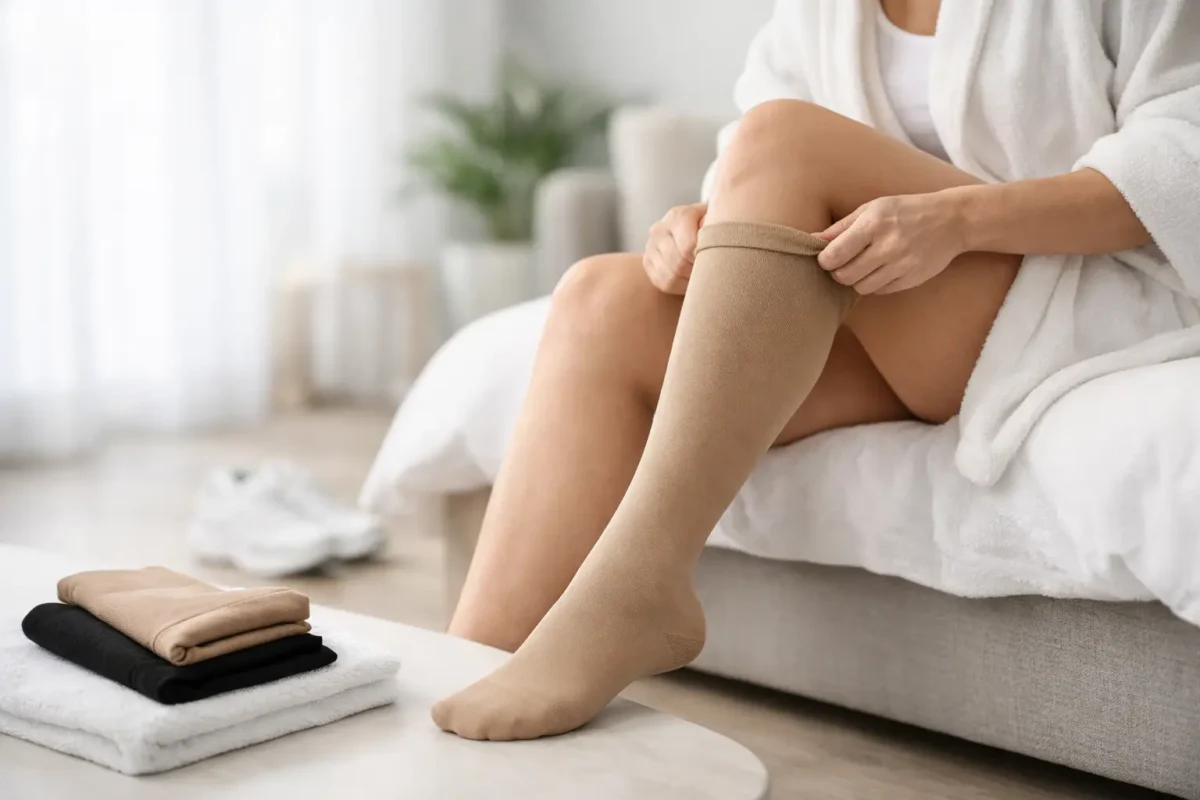
Leg heaviness at the end of a workday, ankle swelling after travel, or aching veins that make standing uncomfortable can all affect how confidently you move. This guide to compression stockings explains how these medical garments work, who may benefit, and why the right fit matters as much as the level of compression.
Compression stockings are not simply tight socks. They are designed to apply controlled pressure to the legs, usually strongest at the ankle and gradually lighter higher up the leg. This graduated pressure can help support blood flow back toward the heart, reduce fluid buildup, and improve comfort for people whose legs feel tired, swollen, or achy.
How Compression Stockings Support Your Legs
When you walk, your calf muscles help move blood through the veins in your legs. Long periods of sitting, standing, reduced mobility after injury, pregnancy, vein concerns, and some health conditions can make that process less efficient. Blood and fluid may collect in the lower legs, contributing to swelling, discomfort, visible veins, or a feeling of heaviness.
Graduated compression provides external support to the veins and surrounding tissues. For many people, this can help manage mild swelling and leg fatigue during the day. It may also be recommended as part of a broader plan after certain procedures, during recovery from injury, or for diagnosed venous conditions.
The goal is not to make your legs feel squeezed. Well-fitted stockings should feel supportive and comfortable, without pinching, numbness, sharp pain, or changes in skin colour. If they do not, the size, style, or compression level may not be appropriate.
Who May Benefit From Compression Stockings?
Compression stockings are commonly used by people who stand for work, sit for extended periods, travel frequently, or notice recurring lower-leg swelling. They may also be helpful for people managing varicose veins, chronic venous insufficiency, mild lymphedema, or recovery plans that involve reduced mobility.
For example, a nurse working long shifts, an office professional with heavy legs after commuting, or an older adult whose ankles swell by evening may all have different needs. The same stocking is not automatically right for each person. Medical history, circulation, skin health, mobility, and the reason for wearing compression all affect the recommendation.
Compression can be particularly useful during recovery when movement is temporarily limited. However, stockings do not replace physiotherapy exercises, regular walking when appropriate, elevation, or medical care for an underlying condition. They are one practical tool within a larger plan to improve comfort and function.
A Guide to Compression Stockings: Choosing the Right Level
Compression is measured in millimetres of mercury, written as mmHg. Higher numbers mean firmer pressure. Product labels and recommendations can vary, but the categories below provide a useful starting point.
Mild compression, often around 8-15 or 15-20 mmHg, is frequently chosen for tired legs, long travel days, or minor discomfort related to prolonged sitting or standing. These options may be available without a prescription, depending on the product and retailer.
Moderate compression, commonly around 20-30 mmHg, may be considered for more noticeable swelling, varicose veins, or clinically diagnosed venous concerns. A fitting consultation is strongly recommended at this level to ensure the garment is both safe and effective.
Firm compression, often 30-40 mmHg or higher, is generally used under the direction of a regulated healthcare professional for specific medical needs. It can be difficult to put on and should not be selected based on symptoms alone.
More compression is not always better. A stocking that is too firm, too small, or poorly suited to your circulation can cause discomfort and may not be safe. The appropriate level depends on your assessment, diagnosis, daily activity, and tolerance.
Getting the Fit Right
A precise fit helps compression stockings do their job. Stockings that bunch at the ankle, roll at the top, dig into the skin, or leave deep marks are not providing even compression. They may also be uncomfortable enough that you stop wearing them.
Measurements are usually taken in the morning, before swelling increases through the day. Depending on the style, a trained fitter may measure the narrowest part of the ankle, the widest part of the calf, the length from heel to knee, and sometimes thigh or hip measurements. Both legs may need to be measured because swelling and shape can differ from one side to the other.
Knee-high stockings are appropriate for many people, particularly when symptoms are concentrated in the ankles and lower legs. Thigh-high styles or pantyhose may be recommended when swelling or venous concerns extend above the knee. Open-toe and closed-toe options are also available. Open-toe styles can be more comfortable in warm weather or for people who prefer to wear their own socks over the garment.
Fabric matters, too. Some materials are lighter and better suited to daily wear, while others are more durable or offer firmer support. If arthritis, back pain, reduced hand strength, or limited balance makes application difficult, a donning aid may make a meaningful difference.
How to Put Them On and Wear Them Comfortably
Compression stockings are easiest to apply first thing in the morning, when your legs are least swollen. Your skin should be clean and dry. Avoid applying oily lotion immediately beforehand, as it can make the fabric harder to position correctly.
Turn the stocking inside out down to the heel, place your foot into the foot section, and carefully work the garment over the heel. Then gradually unroll it up the leg, smoothing wrinkles as you go. Do not pull forcefully from the top band, and do not fold or roll the top down. A rolled band can create a tight area that interferes with comfort and circulation.
Most people wear compression stockings during waking hours and remove them before bed, unless they have been given different clinical instructions. Start gradually if you are new to compression. A few hours of wear may be more manageable at first, then you can build toward the schedule recommended for you.
Check your skin daily, especially if you have diabetes, reduced sensation, fragile skin, or a history of skin wounds. Stop wearing the stocking and seek professional advice if you develop pain, tingling, numbness, cold toes, unusual colour changes, blisters, or new skin irritation.
When Compression Stockings Need Clinical Guidance
Compression stockings are not suitable for everyone. People with known or suspected peripheral arterial disease, significant heart failure, severe neuropathy, active skin infection, or certain wounds should speak with a healthcare professional before using them. The same applies if one leg suddenly becomes more swollen, red, warm, or painful than the other.
Sudden one-sided swelling, chest pain, shortness of breath, or coughing blood requires urgent medical attention. Compression stockings should not be used to self-manage symptoms that could indicate a blood clot or another serious condition.
A professional assessment is also useful when swelling is persistent, worsening, or does not improve with movement and elevation. The cause may be venous, lymphatic, medication-related, musculoskeletal, or connected to another health concern. Identifying the cause helps ensure that compression is used appropriately rather than masking a problem that needs treatment.
At Churchill Physiotherapy Clinic, compression stocking fitting can be part of an individualized care plan for patients managing swelling, mobility limitations, injury recovery, or lower-leg discomfort. A proper assessment can help determine the most suitable style, size, and compression level while considering your movement goals and overall health.
Caring for Your Stockings
Daily washing helps remove skin oils and helps the fabric maintain its compression. Hand wash with mild soap or follow the manufacturer’s instructions, then air dry away from direct heat. Avoid bleach, fabric softener, and high-heat drying, which can damage the elastic fibres.
Most stockings gradually lose their supportive effect with regular use. If they become easier to pull on, slide down, wrinkle frequently, or no longer feel supportive, it may be time to replace them. Having two pairs makes it easier to wear one while the other dries.
The best compression stocking is one that fits correctly, suits your condition, and is comfortable enough to wear consistently. With the right clinical guidance, it can support more comfortable movement through work, recovery, travel, and everyday life.