

How Physiotherapy Restores Mobility After Injury
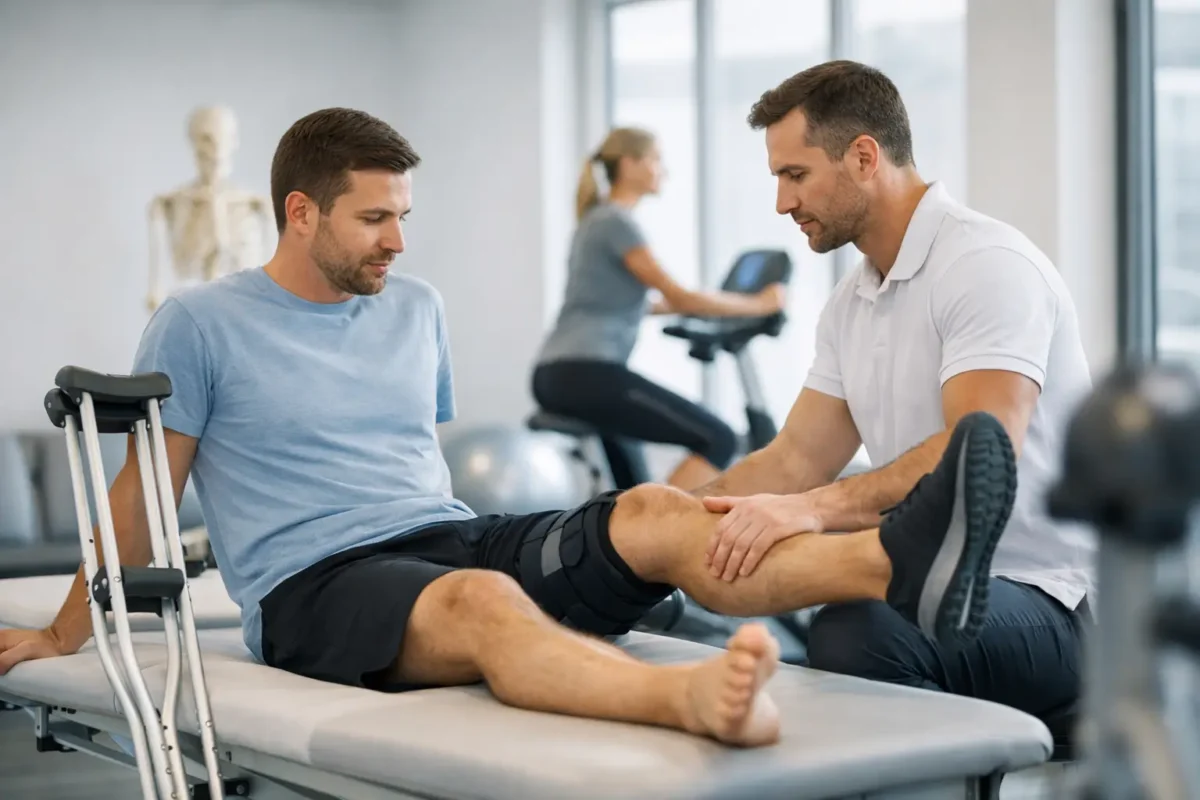
A stiff knee that makes stairs feel risky. A sore back that turns getting out of the car into a careful manoeuvre. Dizziness that causes you to hold the wall while walking down the hallway. These are not simply inconveniences. They can limit work, family responsibilities, sleep, exercise, and confidence. Understanding how physiotherapy restores mobility begins with recognizing that movement problems rarely come from one issue alone. Pain, weakness, joint stiffness, poor balance, fear of reinjury, and altered movement habits often develop together.
Physiotherapy addresses the factors that are holding movement back, then builds a practical path forward. The goal is not only to move more. It is to help you move with greater comfort, control, and confidence in the activities that matter to you.
Mobility starts with a detailed assessment
Mobility is more than range of motion. Being able to bend a knee in a clinic does not necessarily mean you can comfortably climb a flight of stairs, carry groceries, return to a physically demanding job, or safely get up from the floor. A thorough physiotherapy assessment looks at how your body moves in real-life tasks.
Your physiotherapist may assess joint motion, muscle strength, posture, walking pattern, balance, coordination, flexibility, and the effect of symptoms on daily activity. They will also ask how the problem started, what makes it worse or better, and what you need to return to. For someone recovering after a car accident, that may mean turning their head comfortably while driving. For an older adult, it may mean walking outdoors without feeling unsteady. For a worker, it may mean lifting, reaching, or standing for a full shift.
This assessment helps identify the likely drivers of limited mobility. Sometimes a painful joint needs gradual movement and loading. In other cases, the joint itself moves adequately, but surrounding muscles are weak or the nervous system has become protective after an injury. The treatment plan should reflect that difference rather than relying on the same exercises for every patient.
How physiotherapy restores mobility through movement
Physiotherapy uses evidence-informed treatment to reduce barriers to movement and improve the physical capacity needed for daily life. Progress is usually gradual, because tissues, muscles, and movement confidence need time to adapt.
Reducing pain and stiffness
Pain can cause the body to guard a joint or avoid certain positions. Over time, reduced movement may contribute to stiffness, muscle loss, and more difficulty with everyday tasks. A physiotherapist can use hands-on treatment, guided mobility work, education, and appropriately paced exercise to help reduce symptoms and improve comfortable movement.
Hands-on techniques may be useful when they are paired with active rehabilitation. For example, joint or soft-tissue treatment can make it easier to begin moving a stiff shoulder or painful ankle, while specific exercises help retain and build on that improvement. Manual therapy alone is rarely the entire answer. Lasting mobility usually requires your body to practise the movements it needs to perform.
The right amount of activity matters. Complete rest may be appropriate briefly after certain injuries, but prolonged avoidance can make recovery harder. On the other hand, pushing aggressively through sharp pain or significant swelling can delay progress. Physiotherapy helps find a safe middle ground based on your condition, healing stage, and goals.
Rebuilding strength where it matters
Muscles provide the support and force needed to walk, climb, lift, reach, and recover from a loss of balance. After an injury, surgery, illness, or extended period of pain, those muscles may not activate or tolerate load as they once did.
A physiotherapist selects exercises that match your current ability, then progresses them as you improve. Early exercises may focus on gentle activation and controlled movement. Later, the programme may include resistance, functional strengthening, walking tolerance, step work, or job-specific tasks. The exercises should have a clear purpose. Strengthening the hip muscles, for instance, may improve control at the knee during stairs, while strengthening the trunk may support more comfortable lifting and standing.
Progress does not always follow a straight line. A demanding workday, poor sleep, an underlying health condition, or a flare of chronic pain can change how much activity feels manageable. Adjusting the plan is part of good rehabilitation, not a sign that treatment has failed.
Improving balance, coordination, and confidence
Mobility also depends on the brain and nervous system. Following an injury, a period of inactivity, or a balance condition, your body may lose efficiency in judging position, reacting to uneven ground, or coordinating movement. This can make walking feel uncertain even when strength appears adequate.
Balance training is tailored to the person and the risk involved. It may begin with controlled weight shifts, standing tasks, and safe walking practice before progressing to turns, obstacles, varied surfaces, or more challenging functional activities. For people with dizziness or vestibular conditions, treatment can include targeted exercises that help the brain adapt to movement and visual information.
Confidence is a meaningful part of the recovery process. When people fear falling or reinjury, they often move less, stiffen their body, or avoid activities that would help them regain ability. Guided, repeatable success in a safe setting can gradually rebuild trust in movement.
A recovery plan should match your life
The most effective physiotherapy plan is specific enough to fit your diagnosis and flexible enough to fit your life. A parent caring for young children may need strategies for lifting and getting down to the floor. An office worker may need to tolerate sitting, commuting, and computer work. Someone returning after a workplace injury may need a structured progression for job demands.
At Churchill Physiotherapy Clinic, one-on-one care allows the therapist to observe how you move, adjust techniques and exercises, and respond to changes in your symptoms. This individualized attention is especially valuable when several factors are involved, such as chronic pain combined with deconditioning, an accident-related injury with neck and back symptoms, or reduced balance alongside joint stiffness.
Your home exercise plan should also be realistic. A short set of well-chosen exercises performed consistently is often more useful than an overly long routine that is difficult to maintain. Your physiotherapist can explain which sensations are expected, what symptoms should prompt you to reduce activity, and how to progress safely between appointments.
Mobility recovery looks different for different conditions
After a sprain or muscle strain, rehabilitation may emphasize protecting the injured area early, restoring range of motion, and progressively rebuilding load tolerance. Following surgery, the plan must respect surgical precautions and tissue healing while preventing unnecessary loss of movement and strength.
With chronic back, neck, or joint pain, recovery may involve gradual exposure to movements that have become painful or feared, alongside strengthening and pacing strategies. The aim is often to increase function even before every symptom has fully resolved. For arthritis, physiotherapy cannot reverse joint changes, but it can often improve strength, joint control, walking tolerance, and confidence with activity.
Balance and dizziness require their own approach. A person who feels unsteady may benefit from gait and balance training, while someone with positional vertigo or vestibular dysfunction may need specific vestibular assessment and treatment. Pelvic floor physiotherapy can also improve mobility indirectly when pelvic pain, leaking, or pressure symptoms cause a person to restrict exercise and movement.
When to seek help for reduced mobility
Consider booking a physiotherapy assessment when pain, stiffness, weakness, dizziness, or unsteadiness is affecting your usual activities, especially if symptoms persist, recur, or are getting worse. Early assessment can help prevent compensations from becoming established and provide a clearer plan for recovery.
Some symptoms need prompt medical attention rather than routine rehabilitation. Seek urgent care for sudden weakness or numbness, new loss of bladder or bowel control, severe unexplained pain, chest pain, shortness of breath, fever with significant joint swelling, or signs of a stroke. A physiotherapist can also advise when another healthcare assessment is appropriate.
Mobility is built through small, meaningful gains: taking the stairs with less hesitation, turning your head while driving without discomfort, walking farther, or returning to the activities that make your day feel like your own. With an individualized plan and consistent guidance, those gains can become a dependable part of everyday life.