

Massage Therapy in Mississauga for Back Pain: Does It Help?
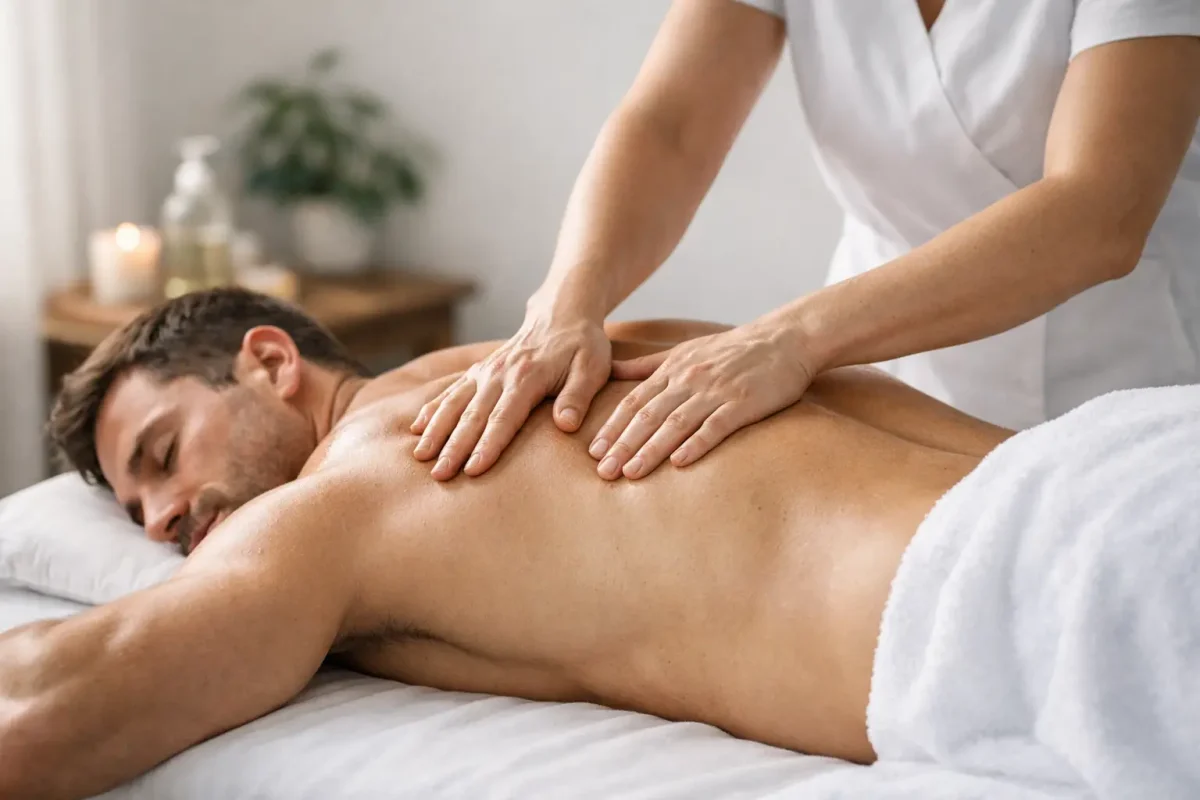
Back pain can emerge when trying to do daily tasks such as driving, lifting groceries, getting in/out of bed or even simply when trying to sit. Hardly does this discomfort remain in one area of your life. To reduce this muscle tension, Churchill Physiotherapy in Mississauga treats back pain through massage therapy as a practical treatment to make your day-to-day activities more manageable.
However, not all types of back pain react in the same way. For example, lower back pain following a car accident and a tight upper back from a desk job are distinctly different from pain associated with a disc injury or chronic stiffness in the joints. Identifying the underlying cause of the patient’s discomfort is the first step in providing them with the appropriate care required.
How massage therapy for back pain works
Massage therapy treatment in Mississauga may be the most beneficial for back pain, considering it is commonly triggered by multiple factors. This includes overworked, shortened or guarded muscles and stiff joints. Following an injury, normal patterns of movement are often altered. In cases where pain has persisted for weeks or months, stress may also be a factor.
A registered massage therapist will use hands-on methods of massage therapy addressing soft tissue muscle fascia and surrounding constraints. The objective is not applying pressure to a sore region, but rather effective treatment combats excessive tension while improving circulation to assist the body in moving with less resistance.
For some patients, pain reduction is the primary initial result of treatment. Others see an increased range of motion, observing lower levels of discomfort when turning, bending, standing or sitting. Massage treatment frequently makes it easier for patients to handle physical activity, physiotherapy, or responsibilities related to going back to work.
When massage from a Registered Massage Therapist in Mississauga is most helpful
Massage therapy is particularly helpful when it comes to back pain associated with a significant muscular component. This often involves pain from prolonged sitting, repetitive lifting, postural strain, or tightness in the protective muscles following an injury.
It may also benefit during recovery from acute flare-ups after the root cause has been ruled out. Hands-on care assists in easing the protective tension if the surrounding muscles are guarding and your back has “seized up”.
Some common conditions where massage may help include lower back tension, mid-back stiffness, upper back and shoulder blade pain, muscle spasms and persistent soreness following a motor vehicle accident or a workplace injury. Some patients observe improved quality of sleep and less daily irritability once the treatment relieves their ongoing physical strain.
When it depends
Massage is helpful, but it is not a cure-all. That matters.
If your pain is primarily caused by nerve irritation, substantial disc involvement, spinal stenosis, inflammatory diseases, or active structural damage, then massage therapy at Churchill Physiotherapy Mississauga can continue to be useful, more typically as part of a comprehensive therapy strategy.
In addition, there are occasions when massage should be delayed or altered. Prompt medical evaluation is necessary for severe unexplained pain, new numbness or weakness, loss of bladder or bowel control, fever, recent fracture, or suspected infection. Especially if the tissue is not prepared since applying deep pressure over an acute injury might exacerbate the patient’s symptoms.
Assessment is important because of this. Understanding when massage is suitable, how much pressure to apply, and which techniques fit the healing stage are all essential to safe treatment.
What to expect from treatment
The first step in a clinically guided massage session for back pain should be asking about your symptoms, medical history, daily activities and objectives in regard to treatment. The therapist may enquire about the origins of your pain, whether it travels, what movements make it worse, and how long it has been there. All of this information aids in differentiating between patterns that point to a more specific condition and general muscle tension.
The main focus of treatment is sometimes but not always in the exact region of pain. For instance, strain in the hamstrings, hip flexors, or glutes may contribute to lower back pain. The muscles in the neck, shoulders or chest may be linked to upper back pain. Since the body rarely functions in separate portions, addressing linked areas frequently improves outcomes.
Instead of being punishing, the pressure should feel therapeutic. Although it’s not always the case, many people believe that going deeper is always preferable. Gentler work could be more successful if the tissue is extremely inflamed. Easier mobility, less tension, or a feeling that the area is less guarded afterwards are generally positive reactions. Treatment shouldn’t make you considerably worse, but temporary discomfort is possible.
Massage therapy for back pain and active rehab
Combining massage with active care allows the best outcomes to follow through. A period of symptom relief can be created by hands-on treatment, but strengthening mobility exercises and movement retraining assist in sustaining that improvement.
This is especially crucial if pain is linked to the demands of your job, deconditioning, postural strain, or a prior injury that is ultimately impacting your movement patterns. Symptoms frequently resurface if tense muscles are loosened but the body fails to maintain support or control. On the other hand, patients typically have a clearer path to long-term improvement when massage is paired with guided activity and relevant details.
In a multidisciplinary setting, this combination is practical. A patient may benefit from massage to reduce pain and improve tolerance to movement, while physiotherapy addresses strength, joint mobility, and functional recovery. After a car accident or workplace injury, coordinated care can also help treatment stay aligned with recovery goals and insurance documentation requirements.
How many sessions do you need?
There is no fixed number that is a fit for all. After some sessions of treatment, patients may get significant improvement, especially if their pain is muscle-based and recent. Others require a short series of visits because their symptoms are a result of a more complicated injury or have accumulated over time.
The intensity of your symptoms, your level of activity, your irritability, and your body’s reaction all affect how often you experience them. A person with slight postural strain could benefit from home workouts and sporadic treatment. Early on, more structured treatment may be necessary for someone recovering from an injury, managing chronic low back pain, or attempting to get back to physical employment.
What matters most is whether care is producing measurable change. This could result in reduced pain, better sleep, easier walking, better bending, or fewer flare-ups. The plan should be modified if the treatment is not improving those markers.
Choosing the right clinic matters
Massage works best for back pain when it’s not given as a general leisurely technique unrelated to your condition. Individualized, clinically informed care that is coordinated with other providers as necessary often improves patient outcomes.
That means looking for registered therapists, clear assessments, one-on-one attention, and a clinic that can recognize when massage is enough and when you would benefit from physiotherapy, chiropractic care, acupuncture, or further medical follow-up. In Mississauga, Churchill Physiotherapy Clinic takes that team-based approach so patients with back pain can receive care that fits both the source of the problem and the demands of everyday life.
Is massage right for your back pain pain?
Massage therapy in Mississauga may be an effective form of treatment if your back is stiff, tight, overworked, or chronically sore. It can ease everyday tasks, increase mobility, and lessen tense muscles. By making it easier for your body to accept activity and rehabilitation, it can also assist in the healing process following an injury.
The key is to use it carefully. Although it is prevalent, back discomfort varies. Rather than simply treating every patient in the same way, the best care takes your goals, history, and symptoms seriously.
You don’t have to wait until your pain gets more difficult to manage if it is interfering with your ability to work, exercise, sleep, or perform simple duties. You can walk more confidently and with less discomfort if you receive the proper hands-on treatment along with the appropriate rehabilitation plan.