

Pelvic Physiotherapy for Comfort and Control
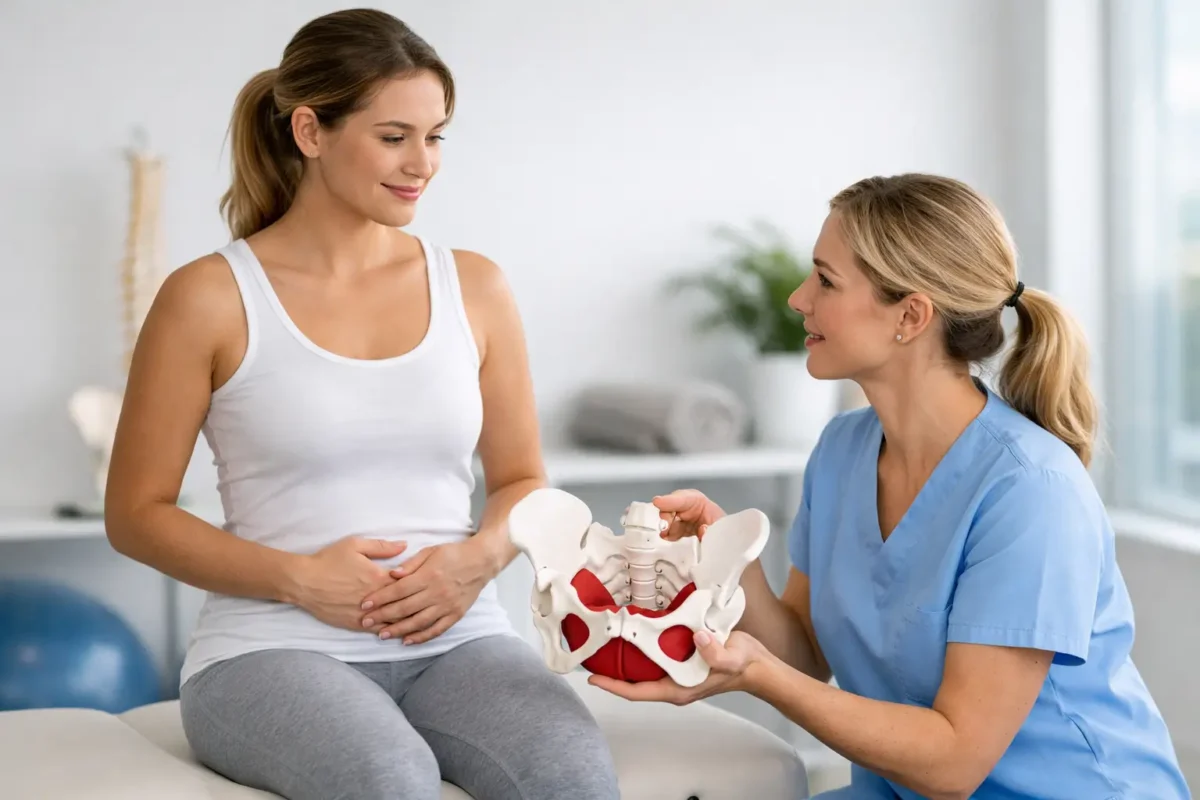
A leaking bladder when you laugh, pain during intimacy, or a persistent feeling of pelvic pressure can change how you work, exercise, travel, and care for your family. These concerns are common, but they are not something you simply need to accept. Pelvic physiotherapy is a focused, evidence-based approach that helps assess the muscles, nerves, joints, and movement patterns affecting pelvic health.
For many people, the hardest part is starting the conversation. A licensed pelvic health physiotherapist provides a private, respectful setting where symptoms are taken seriously and treatment is tailored to your comfort, goals, and medical history.
What pelvic physiotherapy treats
The pelvic floor is a group of muscles at the base of the pelvis. It supports the bladder, bowel, and reproductive organs, contributes to sexual function, and works with the diaphragm, abdominal muscles, hips, and spine to manage pressure and movement. Like other muscles, it can become weak, tense, poorly coordinated, painful, or overworked.
Pelvic floor concerns do not always feel the same. Some people experience urine leakage with coughing, running, or lifting. Others need to urinate frequently, struggle to fully empty their bladder or bowels, or feel urgency that makes it difficult to leave home. Pelvic pain may be felt in the lower abdomen, tailbone, hips, genitals, or lower back, and may be linked to sitting, exercise, intercourse, pregnancy, surgery, or no obvious single event.
Pelvic physiotherapy can support people managing:
- Urinary leakage, urgency, frequency, or difficulty emptying the bladder
- Constipation, bowel urgency, leakage, or straining
- Pelvic organ prolapse symptoms, including heaviness or pressure
- Pregnancy-related pelvic girdle, hip, or low-back pain
- Recovery after childbirth, including abdominal separation, scar discomfort, and return to activity
- Pain with intercourse, tampon use, pelvic examinations, or persistent genital pain
- Pelvic pain associated with muscle tension, endometriosis, prostate conditions, surgery, or chronic pain
Treatment is not limited to women after childbirth. Men can benefit from care for prostate-related symptoms, pelvic pain, bladder concerns, and recovery after pelvic surgery. Pelvic health therapy may also be appropriate for people of different ages and gender identities. The starting point is always your symptoms and functional goals, not a one-size-fits-all program.
Your first pelvic physiotherapy appointment
An initial assessment begins with a detailed conversation. Your physiotherapist may ask about bladder and bowel habits, pain patterns, pregnancy or surgical history, exercise, work demands, medications, and what you would like to return to doing comfortably. This discussion helps identify factors that may be contributing to symptoms, such as breath-holding during lifting, constipation, hip weakness, stress-related muscle guarding, or a recent change in activity.
The physical assessment may include posture, breathing, abdominal movement, hip and low-back mobility, and how you move during everyday tasks. With your informed consent, an internal pelvic floor examination may be recommended. This can provide valuable information about muscle strength, relaxation, coordination, tenderness, and support. It is never mandatory. Your physiotherapist will explain the purpose, answer questions, and adjust the assessment if you prefer an external approach or need more time.
This is an important distinction. Pelvic symptoms are not always caused by weak muscles. In some cases, the pelvic floor is already gripping too much. Repeatedly doing Kegels without an assessment can worsen tension, pain, urgency, or difficulty with bowel movements. Effective care identifies whether you need strengthening, relaxation, coordination training, movement changes, or a combination of these approaches.
Treatment is practical and individualized
A treatment plan should make sense in the context of your real life. If lifting a child triggers leakage, the plan may include pressure-management strategies and progressive strengthening for the pelvic floor, hips, and trunk. If prolonged desk work increases pelvic pain, treatment may focus on mobility, posture variation, relaxation techniques, and ways to reduce muscle guarding throughout the day.
Hands-on treatment may be used when appropriate to address tender muscles, scar mobility, joint restrictions, or areas of connective tissue tension. Your physiotherapist may also guide breathing work, pelvic floor muscle retraining, gentle stretching, strengthening, and graded return to running, gym activity, or work duties. Education is a key part of care because small changes in fluid habits, bowel routines, lifting technique, and exercise progression can reduce symptom triggers.
Progress is not measured only by a symptom score. It may mean making it through a meeting without urgently searching for a washroom, walking without pelvic heaviness, returning to a favourite fitness class, sleeping more comfortably, or feeling less anxious about intimacy. The pace varies. Some concerns respond quickly to targeted strategies, while persistent pain or post-surgical symptoms may require a longer, coordinated rehabilitation plan.
Pregnancy, postpartum recovery, and return to exercise
Pregnancy and childbirth place significant demands on the pelvic floor, abdominal wall, hips, and low back. Pain, leakage, heaviness, and changes in core control are common, but common does not mean insignificant. An assessment can help distinguish normal recovery changes from symptoms that would benefit from treatment.
During pregnancy, physiotherapy can help manage pelvic girdle pain, low-back discomfort, urinary symptoms, and safe movement modifications. After delivery, care may address perineal or C-section scar sensitivity, abdominal wall recovery, prolapse symptoms, painful intercourse, and gradual return to exercise.
There is no universal timeline for returning to running, heavy lifting, or high-impact workouts. Readiness depends on healing, symptoms, strength, coordination, sleep, feeding demands, and previous activity level. A person who feels well at six weeks may still benefit from a structured progression, while someone with ongoing symptoms should not feel pressured to push through them. The goal is a safe return to the activities that matter to you, not meeting an arbitrary deadline.
Pelvic pain requires a broader view
Pelvic pain is often complex. Muscles may tighten in response to pain, but tension itself can then become part of the problem. The nervous system can become more sensitive over time, especially when symptoms have affected sleep, stress levels, movement, and confidence. This does not mean the pain is imagined. It means treatment often needs to address more than one body part.
A pelvic physiotherapist may assess the relationship between the pelvic floor, hips, spine, breathing, and abdominal wall. Treatment can include gentle manual therapy, relaxation and down-training exercises, graded exposure to previously painful movement, and strategies to improve daily function. When needed, coordinated care with a physician, nurse practitioner, mental health professional, or other healthcare provider can support a more complete recovery.
When to seek medical care first
Physiotherapy is an appropriate option for many pelvic health concerns, but some symptoms require prompt medical assessment. Seek urgent care for severe or sudden pelvic pain, fever with pelvic symptoms, heavy unexplained bleeding, new loss of bladder or bowel control, numbness around the groin, or an inability to urinate. New symptoms after cancer treatment, significant surgery, or a serious injury should also be discussed with your physician.
For ongoing concerns, you do not need to wait until symptoms become severe. Early assessment can prevent compensations, reduce frustration, and provide clear guidance on what to do next.
A private, supported path forward
Pelvic health treatment should feel professional, respectful, and collaborative. At Churchill Physiotherapy Clinic, one-on-one care allows your therapist to understand how symptoms are affecting your work, family responsibilities, exercise, and overall comfort. Your plan can evolve as your symptoms and goals change, whether you are recovering after childbirth, managing persistent pain, or preparing to return to an active routine.
You deserve clear answers and practical support, not vague reassurance that symptoms will eventually disappear. A pelvic health assessment can be the first constructive step toward moving, working, exercising, and living with greater comfort and confidence.