

How Post Concussion Balance Therapy Helps
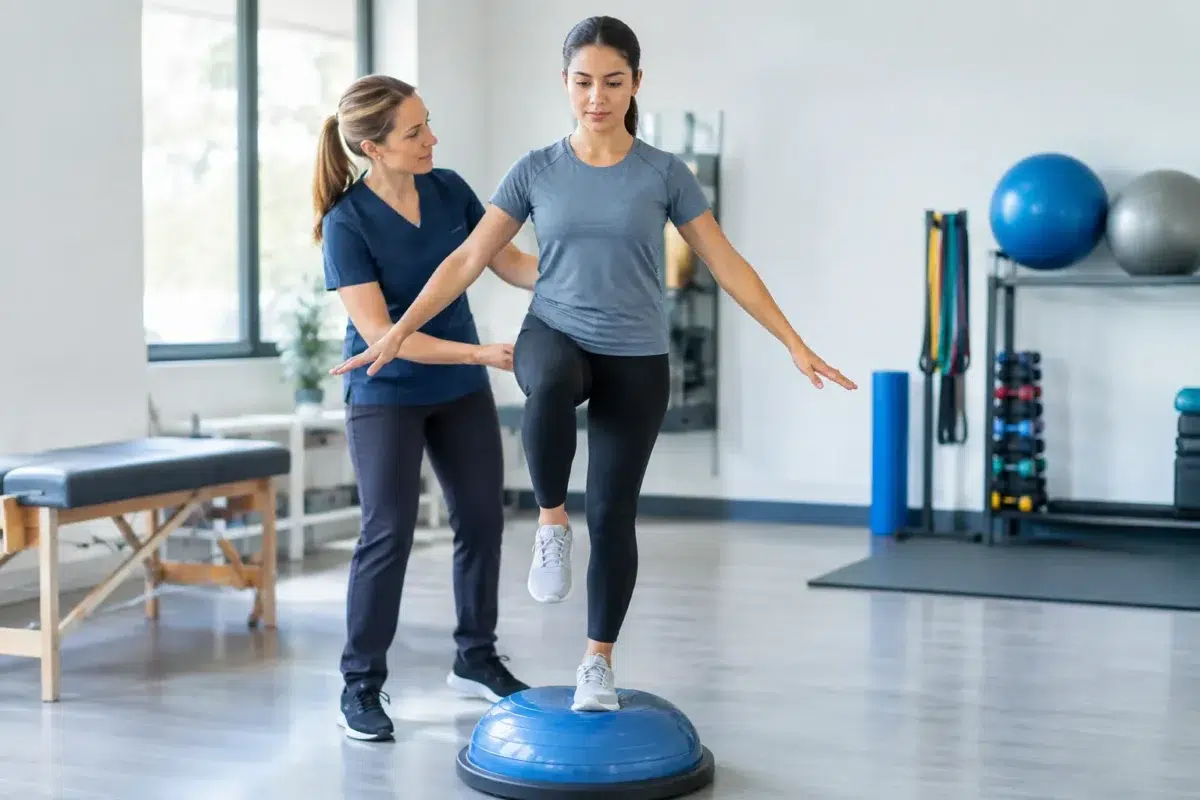
A concussion can make a familiar hallway feel unsteady, a busy grocery store feel overwhelming, or a quick turn of the head trigger dizziness. For many people, these symptoms are not a sign that they need to simply wait longer. Post concussion balance therapy can identify the systems contributing to unsteadiness and provide a measured path back to comfortable movement, work, driving, exercise, and daily routines.
Balance symptoms after a concussion are common, but they are also highly individual. Some people feel lightheaded when standing up. Others notice spinning, motion sensitivity, poor coordination, blurred vision while walking, or a sense that the ground is moving. A personalized assessment helps distinguish what is happening and guides treatment safely.
Why balance can change after a concussion
Balance is not controlled by one part of the body. The brain continuously combines information from the inner ear, vision, muscles and joints, then uses that information to keep the body upright and oriented. A concussion can temporarily disrupt how efficiently these systems communicate.
The vestibular system in the inner ear is often involved. It detects head movement and position, helping the eyes stay focused while the body moves. When this system is affected, turning your head, looking up, walking through crowds, or riding in a vehicle may bring on dizziness or nausea.
Vision can also contribute. After a concussion, the eyes may have difficulty tracking, shifting focus, or working together during movement. This can make reading, using a computer, watching traffic, or walking in visually busy places more demanding than usual.
Neck pain and stiffness can add another layer. The neck provides the brain with important position information. Following a fall, sport injury, motor vehicle accident, or other impact, altered neck movement may worsen feelings of imbalance. Fatigue, headaches, poor sleep, anxiety about falling, and reduced activity can further affect confidence and mobility.
This is why a generic exercise sheet is rarely the right answer. Effective care starts by determining which symptoms are present, what brings them on, and how they affect the person’s real life.
What happens during post concussion balance therapy
A vestibular physiotherapist begins with a detailed discussion of the injury, current symptoms, medical history, medications, work or school demands, and goals. The assessment may include observing posture and walking, checking neck movement, screening eye movements, testing balance in different positions, and assessing how symptoms respond to gentle head and body movements.
The goal is not to push symptoms as hard as possible. It is to find a safe starting point. Some temporary, mild symptom increase during rehabilitation can be expected, particularly when retraining the vestibular system. However, exercises should be specific, controlled, and adjusted to avoid a prolonged flare that disrupts the rest of the day.
Treatment plans vary. Someone who becomes dizzy when rolling in bed may need assessment and treatment for positional vertigo. Someone whose symptoms rise when walking and looking side to side may benefit from gaze-stabilization work. Another person may need balance retraining, neck treatment, gradual aerobic activity, or strategies to manage visual motion sensitivity.
At Churchill Physiotherapy Clinic, one-on-one care allows the therapist to monitor symptoms, refine exercises, and progress treatment according to functional improvements rather than a fixed schedule.
Gaze stabilization and eye-head coordination
Gaze-stabilization exercises help the eyes maintain a clear target while the head moves. They are often useful when a person experiences blurred vision, dizziness, or disorientation while walking, scanning shelves, or checking traffic.
The exercise might begin with looking at a stationary target while moving the head slowly. Speed, background complexity, body position, and duration can then be progressed. Small adjustments matter. An exercise that is too easy may not create change, while one that is too difficult can create unnecessary symptom aggravation.
Balance retraining for real-world movement
Balance therapy is more than standing on one leg. A program may challenge balance with changes in stance, surface, vision, head movement, reaching, stepping, turning, and walking. These tasks can be adapted to the person’s needs, whether that means safely moving around a workplace, carrying groceries, returning to the gym, or keeping up with children.
For older adults or people who have fallen, fall prevention is a central concern. Therapy can address lower-body strength, reaction time, confidence, footwear considerations, and safe strategies for navigating stairs or uneven ground. The aim is to restore independence without encouraging a return to activities before the body is ready.
Gradual exposure to motion and busy environments
Avoiding every movement that causes symptoms can make the vestibular system more sensitive over time. On the other hand, forcing through severe symptoms is not productive. The right approach is graded exposure.
A therapist may introduce tolerable doses of the movements or environments that provoke symptoms, such as turning, bending, walking in a mall, or riding in a car. As tolerance improves, activities are made more demanding. This gradual progression is especially valuable for people who need to return to commuting, screen-based work, sports, or active family life.
When should you seek assessment?
Dizziness, imbalance, or visual motion sensitivity that continues beyond the first days after a head injury deserves professional assessment, particularly if it interferes with work, school, sleep, exercise, driving, or basic daily tasks. Some people seek care weeks or months later because they assumed ongoing symptoms were unavoidable. Improvement is still possible, and a thorough assessment can clarify what is maintaining the problem.
Urgent medical attention is needed for worsening or severe headache, repeated vomiting, increasing confusion, unusual behaviour, weakness or numbness, slurred speech, seizure, loss of consciousness, significant neck pain, or other concerning new neurological symptoms. Rehabilitation is appropriate only after urgent conditions have been assessed and ruled out.
It is also worth remembering that not all dizziness after a concussion has the same cause. Benign positional vertigo, migraine, neck-related dizziness, medication effects, blood pressure changes, and anxiety can overlap with concussion symptoms. A clinician should consider the full picture rather than assuming every symptom comes from one source.
What progress usually looks like
Recovery is rarely a straight line. Symptoms may vary with sleep, stress, illness, screen time, workload, and physical exertion. Progress may first show up as being able to turn the head with less dizziness, walk farther without feeling unsteady, tolerate a busier environment, or recover more quickly after a demanding day.
Your therapist will typically reassess the activities that were difficult at the beginning of care. This creates meaningful markers of change. For one person, success may be completing a work shift without worsening symptoms. For another, it may be driving with confidence, returning to a fitness routine, or walking outdoors without watching every step.
Home exercises are often part of treatment, but they should be manageable and precise. Doing more is not always better. Following the recommended dosage, recording symptom responses when asked, and communicating changes honestly help the therapist make appropriate adjustments.
Returning to work, driving, and activity
A return to normal routines should be based on function, not pressure or a calendar date. Work demands differ widely. An office employee may struggle most with screens, concentration, and visually busy settings, while a tradesperson may need to manage ladders, uneven surfaces, equipment, and rapid head movements. Treatment can be shaped around those demands.
Driving requires attention, visual scanning, neck mobility, reaction time, and tolerance for motion. If dizziness, delayed reactions, visual disturbance, or difficulty concentrating is present, it may not yet be safe. Discuss readiness with an appropriate healthcare professional before resuming driving.
For exercise and sport, a gradual plan is equally important. Controlled aerobic activity can be helpful for some people, but contact risk and high-speed or complex movement need careful consideration. The appropriate pace depends on symptoms, medical guidance, the nature of the activity, and whether another head impact could occur.
A concussion can change how safe the world feels for a while. With an individualized assessment, careful progression, and consistent support, balance rehabilitation can help make everyday movement feel familiar and reliable again.