

Post-Accident Stiffness Treatment Options
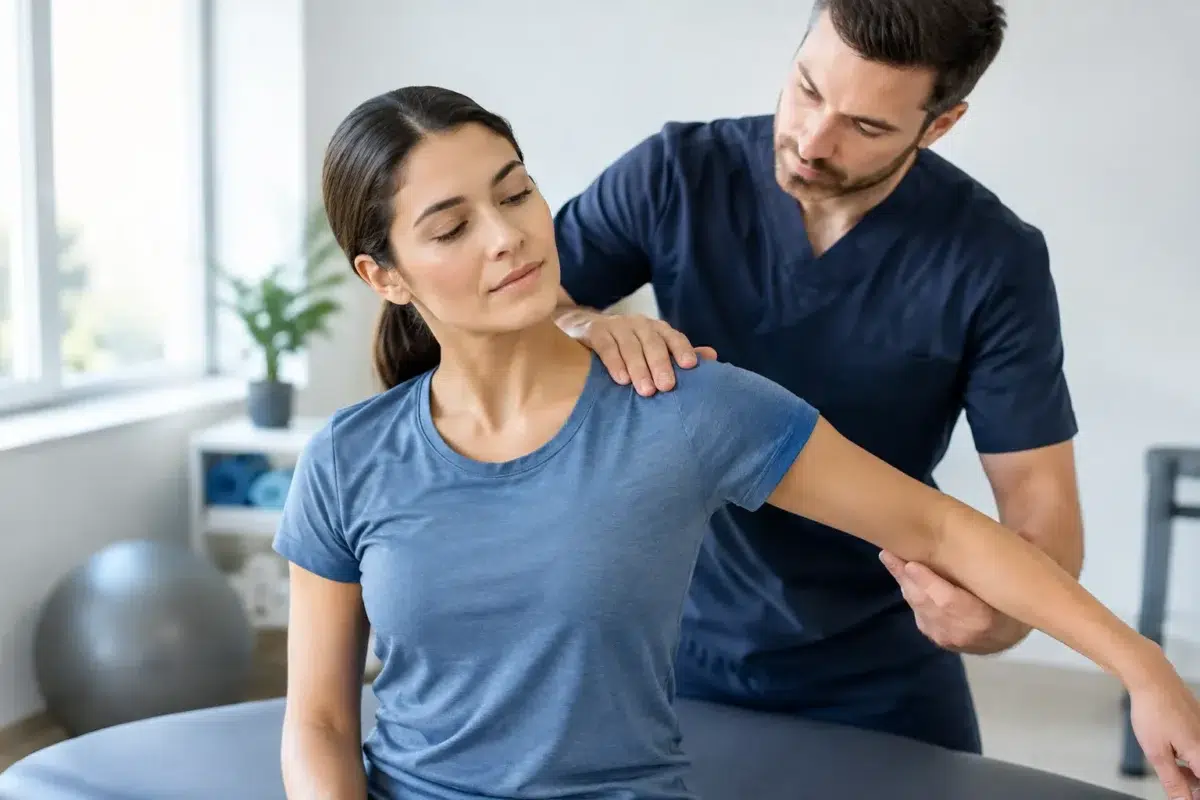
A stiff neck when checking a blind spot, a tight lower back after sitting at work, or shoulders that will not relax can make the days after a collision unexpectedly difficult. Effective post accident stiffness treatment options focus on more than temporary comfort. The right plan should reduce pain, restore safe movement, and help you return to driving, work, exercise, and everyday routines with confidence.
Stiffness may begin immediately after an accident, but it can also build over the next 24 to 72 hours. Muscles often tighten as a protective response after a sudden impact. While that response is normal, ongoing restriction can change how you move, strain other areas of the body, and slow your recovery if it is not properly assessed.
Why stiffness happens after a car accident
Even a low-speed collision can place significant force through the neck, back, shoulders, hips, and joints. During the impact, the body may brace suddenly or be pushed beyond its usual range of motion. Soft tissues, including muscles, ligaments, tendons, and joint capsules, can become irritated. The nervous system may then increase muscle tension to protect the area.
Whiplash-associated injuries are a common source of neck and upper-back stiffness, but stiffness is not limited to the neck. It may affect the low back after a rear-end collision, the shoulder after a seatbelt restraint, or the hips and knees after bracing against the floor or pedals. Pain can also lead people to move less, which adds to joint restriction and muscle tightness.
The location and intensity of stiffness do not always identify the full injury. A professional assessment helps determine whether the main issue is muscle guarding, joint restriction, reduced strength, nerve irritation, balance changes, or a combination of concerns.
When post-accident stiffness needs prompt assessment
A certain amount of soreness can be expected after a collision, but severe or worsening symptoms should not be ignored. Seek urgent medical attention for severe headache, confusion, fainting, new vision changes, chest pain, trouble breathing, weakness or numbness in an arm or leg, loss of coordination, or changes in bladder or bowel control.
It is also wise to arrange an assessment when stiffness is limiting your ability to turn your head, sleep comfortably, work, walk, or complete basic tasks. Early guidance does not mean forcing treatment before your body is ready. It means identifying the problem, ruling out concerns that need medical follow-up, and beginning appropriate care at the right pace.
Post-accident stiffness treatment options that support recovery
The best treatment depends on your injuries, medical history, symptoms, and recovery goals. Some patients benefit from early pain-management strategies and gentle mobility work, while others need a more progressive strengthening program to restore function. Treatment should be adjusted as your body responds.
Physiotherapy assessment and hands-on care
Physiotherapy often begins with a detailed assessment of your movement, posture, joint range, muscle strength, balance, and daily limitations. Your physiotherapist may assess how your symptoms affect driving, lifting, desk work, sleep, stairs, or caring for family members. This helps create a plan based on the activities that matter most to you.
Hands-on treatment may include carefully selected joint mobilization, soft-tissue techniques, and guided movement to reduce restriction and improve comfort. These treatments are not intended to push through sharp pain. The goal is to help irritated tissues tolerate movement again while reducing the protective tension that keeps the body feeling locked up.
Targeted exercise and mobility training
Rest can be helpful in the first stage of an injury, but prolonged inactivity may contribute to more stiffness, weakness, and fear of movement. A physiotherapist can prescribe gentle exercises that match your current tolerance, such as controlled neck rotations, shoulder blade movement, pelvic mobility, or low-impact walking progressions.
As symptoms settle, treatment typically shifts toward strength, endurance, and functional exercise. For example, someone with neck stiffness may need deep neck muscle training and upper-back strengthening. Someone with low-back stiffness may benefit from hip mobility, core control, and gradual lifting practice. The exercise itself matters, but the dosage matters just as much. Too little may not create progress, while too much too soon can increase symptoms.
Massage therapy for muscle tension
Massage therapy can be useful when muscle guarding, tenderness, and stress are contributing to post-accident stiffness. Targeted massage may help improve short-term comfort, circulation, and tissue mobility, making it easier to participate in active rehabilitation.
Massage is usually most effective as part of a broader recovery plan rather than the only treatment. It can relieve tension, but lasting improvement often requires movement retraining and strength work so the same areas are not continually overloaded.
Acupuncture and pain-modulation strategies
For some patients, acupuncture may be considered to help manage pain and muscle tension. It can be a helpful option when stiffness is accompanied by persistent aching, muscle sensitivity, or difficulty relaxing around an injured area. Response varies from person to person, so treatment should be based on your symptoms, preferences, and overall care plan.
Other pain-management strategies may include heat or cold guidance, activity modification, sleep-position advice, and pacing techniques. These can reduce flare-ups while you build tolerance for normal activity.
Chiropractic and osteopathic care
Chiropractic care and osteopathic treatment may support recovery for appropriate patients by addressing joint mobility, muscle tension, and movement patterns. A qualified practitioner should assess your condition first and choose gentle, suitable techniques based on your stage of recovery.
These approaches can work well alongside physiotherapy when care is coordinated around shared goals: less pain, better movement, improved strength, and a safe return to function. The right option depends on the nature of your injury and how your symptoms respond.
What recovery should look like
Recovery is rarely a straight line. It is common to have a better day followed by a temporary increase in stiffness after a longer drive, a busy workday, poor sleep, or an unfamiliar activity. A flare-up does not automatically mean you have caused new damage. It may mean the tissues need a slower progression or that an activity needs to be modified.
Measurable progress can include turning your head further when driving, sitting longer without discomfort, walking more comfortably, sleeping with fewer interruptions, or returning to household tasks with less compensation. Pain levels matter, but function is often the clearest sign that treatment is working.
A personalized plan should also include education about posture and movement without making you feel that you must hold one perfect position all day. Bodies are built to move. Regular position changes, gradual exposure to meaningful activity, and properly paced exercise generally support better outcomes than rigid avoidance.
Supporting treatment at home
Your clinician may recommend brief mobility exercises, walking, heat or cold, and adjustments to how you work or sleep. Follow the plan provided rather than copying a general exercise routine online. An exercise that helps one person after a collision may aggravate another person’s injury.
Pay attention to your response over the following day. Mild, short-lived soreness can occur when you begin moving more, especially after inactivity. Sharp pain, spreading symptoms, increasing numbness, or a significant loss of function should be reported promptly.
Getting coordinated support after a collision
Motor vehicle accident recovery can involve more than clinical treatment. You may need documentation, treatment planning, and support that fits with auto insurance processes. At Churchill Physiotherapy Clinic, one-on-one rehabilitation can be coordinated with physiotherapy, massage therapy, acupuncture, chiropractic care, osteopathy, and other services when clinically appropriate.
The goal is not simply to make stiffness disappear for a few hours. It is to understand why it is persisting, restore the movement your daily life requires, and give you a practical path forward. If stiffness is still shaping how you work, drive, sleep, or move, an individualized assessment can help you take the next step with greater comfort and confidence.