

Top Benefits of Manual Therapy for Pain Relief
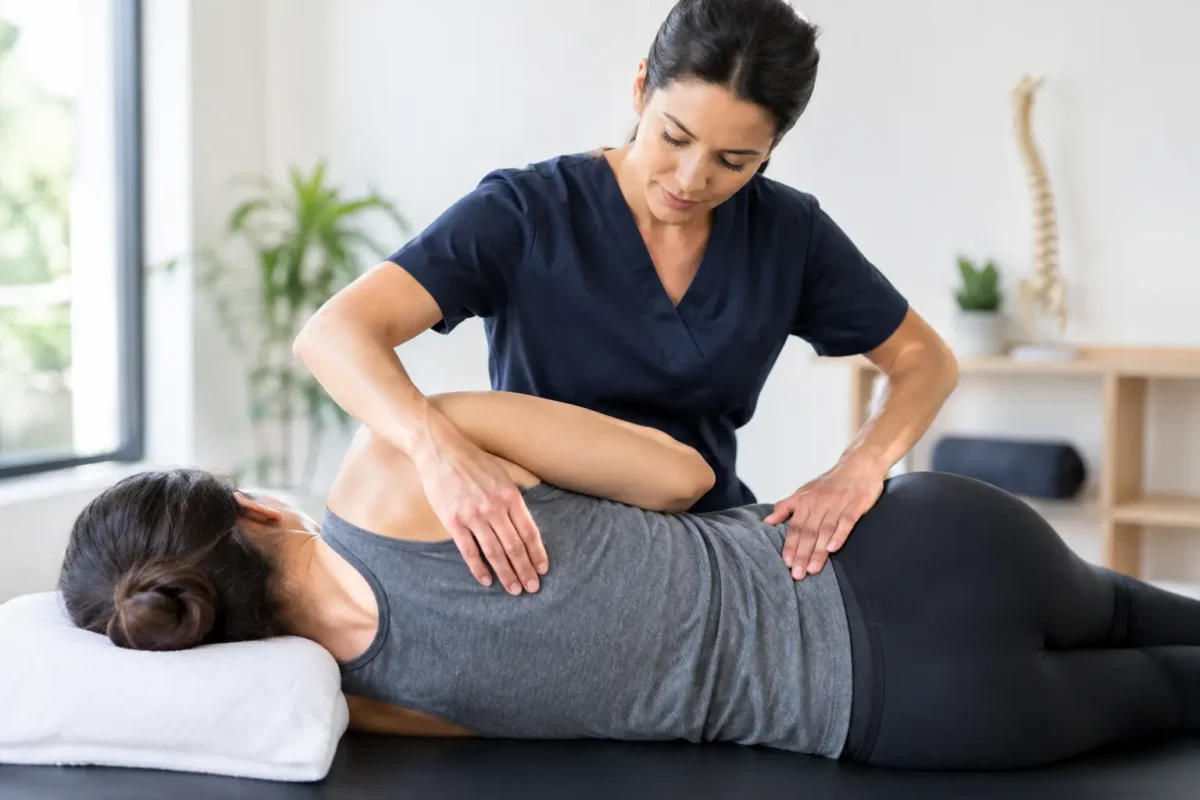
That sharp pull when you turn to check your blind spot, the stiffness after a long shift, or the ache that makes a flight of stairs feel harder than it should can change how you move through your day. The top benefits of manual therapy are not limited to feeling looser after an appointment. When it is used appropriately as part of a personalized rehabilitation plan, hands-on treatment can help reduce pain, restore movement, and make it easier to return to work, exercise, driving, and everyday routines with greater confidence.
Manual therapy is a clinical approach used by trained healthcare professionals, including physiotherapists, chiropractors, osteopaths, and massage therapists. It may involve skilled joint mobilization, soft-tissue techniques, stretching, or carefully directed movements. The exact approach depends on your symptoms, medical history, injury, goals, and how your body responds to treatment.
What Are the Top Benefits of Manual Therapy?
Manual therapy is most useful when it is not treated as a one-size-fits-all solution. A sore shoulder after lifting, persistent low back pain, whiplash-related stiffness, and post-surgical mobility restrictions can all require different techniques and different amounts of treatment. In a well-designed plan, hands-on care is paired with assessment, education, and active exercise to support meaningful progress.
1. It can reduce pain and muscle guarding
Pain often changes the way the body moves. Muscles around an irritated joint may tighten protectively, and you may start avoiding certain positions or movements. While that response can be helpful at first, ongoing muscle guarding may contribute to stiffness, sensitivity, and reduced function.
Gentle manual techniques can help calm sensitive tissues and improve comfort in the short term. For some people, this makes it easier to sleep, sit at a desk, walk, or begin the exercises needed for recovery. Relief can be immediate for some conditions, but it is not guaranteed or permanent after one visit. The goal is to use symptom relief productively, helping you move more comfortably while addressing the factors that may be contributing to the problem.
2. It can improve joint movement and flexibility
After an injury, period of inactivity, repetitive work, or prolonged postures, joints and surrounding soft tissues can lose their normal range of motion. You might notice this as difficulty reaching overhead, turning your head while driving, squatting, or taking a full stride when walking.
Joint mobilization and soft-tissue treatment may improve how freely an area moves. A clinician can target the specific movement that is restricted rather than applying the same technique to every painful area. For example, limited upper-back mobility may influence neck or shoulder movement, while hip stiffness may affect the low back, knee, and walking pattern.
Better range of motion is valuable when it translates into function. Being able to lift an arm a few degrees higher matters most when it helps you get dressed without pain, return to a sport, or complete the physical demands of your job.
3. It can support recovery after an injury or accident
Sprains, strains, workplace injuries, and motor vehicle accidents can leave more than a sore area. They can affect confidence, sleep, balance, strength, and your ability to tolerate ordinary tasks. Early after an injury, treatment needs to respect tissue healing and avoid aggravating symptoms. Later, the focus often shifts toward restoring mobility, capacity, and control.
Manual therapy can be one component of this progression. It may help address stiffness and discomfort that make movement difficult, allowing a patient to gradually rebuild strength and return to normal activity. For patients recovering from whiplash, for instance, hands-on treatment may be used alongside neck-specific exercise, posture guidance, and graded exposure to driving or work tasks.
The right timing matters. A treatment that feels appropriate during a later recovery stage may not be suitable immediately after a serious injury, fracture, surgery, or acute inflammatory flare. A thorough assessment helps determine what is safe.
4. It can make active rehabilitation more effective
The strongest long-term results rarely come from passive treatment alone. Hands-on therapy can create a valuable window of improved comfort or movement, but exercise and activity are usually what help maintain and build on that change.
If knee pain makes it difficult to perform a sit-to-stand exercise, treatment may first focus on easing the stiffness or sensitivity limiting that movement. The next step is not simply more hands-on treatment. It is using the improved tolerance to strengthen the muscles that support the knee and practise the movement required in daily life.
This combination is particularly helpful for people who have become less active because of persistent pain. A clinician can adjust both the manual techniques and the exercise plan as symptoms change, so progress remains challenging enough to build capacity without becoming overwhelming.
5. It can improve body awareness and movement confidence
After pain or injury, many people become understandably cautious. They may brace through the back, hold the shoulders rigidly, avoid turning the head, or place less weight through one leg. These adaptations can persist even when the original tissue injury has begun to heal.
During manual therapy, the clinician can assess how tissues and joints respond to movement and provide clear feedback about what feels restricted, sensitive, or ready to be challenged. This can help patients better understand their symptoms and feel safer moving again.
Confidence is not the same as ignoring pain. It means learning which movements are safe to practise, how to pace activity, and when discomfort is a normal part of rebuilding tolerance versus a signal to modify the plan. That practical guidance can be especially useful for workers returning to physical duties, older adults concerned about mobility, and people getting back to exercise after a long interruption.
6. It offers individualized care for complex symptoms
Pain does not always stay neatly within one body part. A person with headaches may also have neck tension and poor sleep. Someone with hip pain may change how they walk and develop knee or low back symptoms. Persistent symptoms may involve physical demands, stress, previous injuries, balance concerns, or reduced strength in addition to local tissue irritation.
Manual therapy allows a clinician to assess the person in front of them rather than treating an image, a diagnosis label, or a standard protocol. The approach can be adjusted for an older adult with arthritis, a desk worker with recurrent neck stiffness, a new parent dealing with back discomfort, or an athlete returning from a strain.
Individualized care also means recognizing when manual therapy is not the main answer. Some concerns need medical investigation, medication review, vestibular rehabilitation, pelvic floor therapy, bracing, acupuncture, or another service. A multidisciplinary clinic can help coordinate care when several factors are affecting recovery.
When Manual Therapy May Not Be the Right Choice
Hands-on treatment should always be guided by clinical judgment. Manual therapy may need to be avoided, delayed, or modified when there is a suspected fracture, active infection, severe osteoporosis, certain inflammatory conditions, significant neurological symptoms, or unexplained pain. Symptoms such as sudden weakness, loss of bowel or bladder control, chest pain, fever, unexplained weight loss, or severe worsening after trauma require prompt medical attention.
Even when manual therapy is appropriate, more force is not necessarily better. Effective treatment should feel purposeful, respectful, and tailored to your comfort. You should understand what is being done, why it is being recommended, and what you can do between visits to support progress.
What a Productive Treatment Plan Looks Like
A quality appointment begins with listening. Your clinician should ask how symptoms affect your work, sleep, caregiving, driving, recreation, and other daily priorities. They should assess movement, strength, balance, and relevant areas beyond the site of pain before discussing a plan.
From there, manual therapy may be used alongside targeted exercise, education about pacing and posture, and practical strategies for your routine. Progress is measured by more than tenderness on the treatment table. Useful markers include walking farther, lifting with less fear, sleeping better, turning your head comfortably while driving, or returning to activities that matter to you.
At Churchill Physiotherapy Clinic, hands-on treatment is integrated with one-on-one, evidence-informed rehabilitation to help patients in Mississauga move from temporary relief toward more reliable function. If pain or stiffness is limiting your day, an individualized assessment can clarify whether manual therapy has a meaningful role in your recovery and what the next practical step should be.