

Manual Therapy Effectiveness for Pain Relief
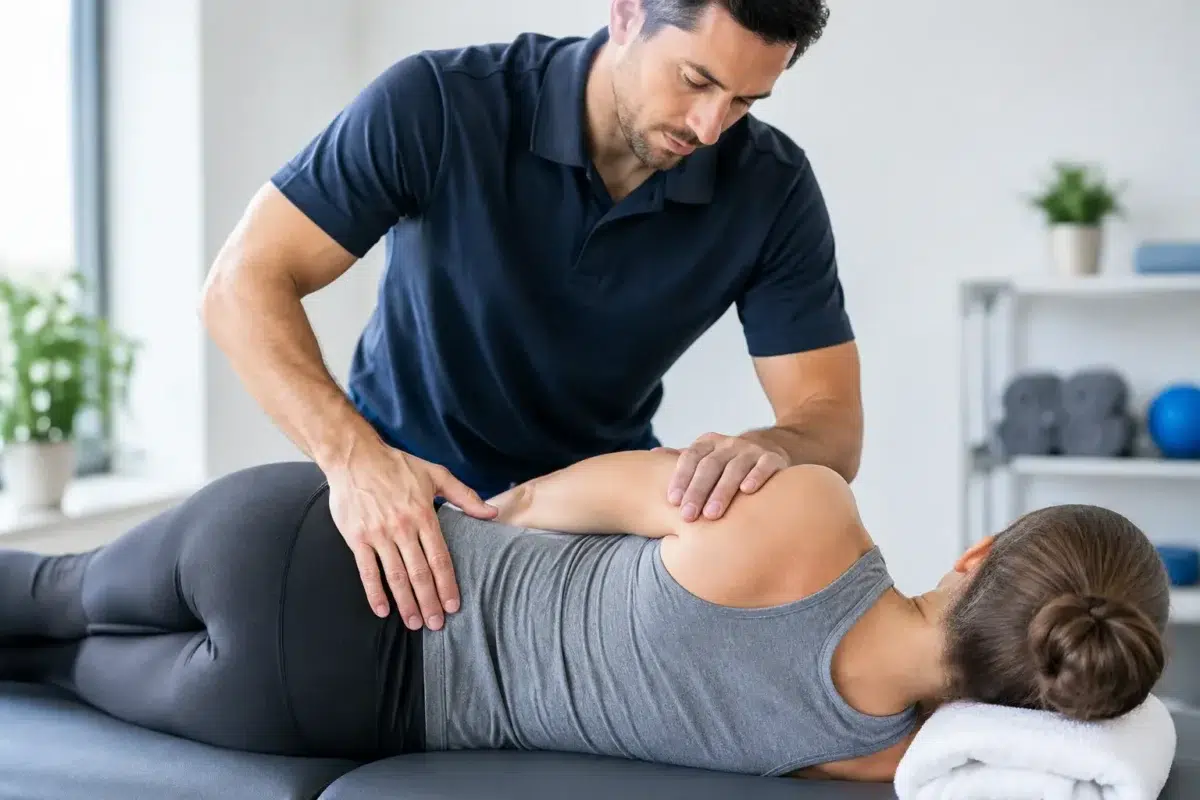
A stiff neck that makes driving difficult, a low back flare-up after lifting, or a shoulder that no longer reaches overhead can quickly affect work, sleep, exercise, and family life. Manual therapy effectiveness is often the question patients ask when they are looking for relief that feels practical, safe, and lasting. The honest answer is that hands-on treatment can be highly useful, but its results depend on the condition being treated, the clinician’s assessment, the technique used, and the rehabilitation plan that follows.
Manual therapy is not a one-size-fits-all solution or a substitute for a full recovery plan. When it is used thoughtfully as part of personalized physiotherapy, it can reduce pain, improve movement, and help patients return to the activities that matter to them.
What Is Manual Therapy?
Manual therapy is a broad term for skilled, hands-on techniques used by regulated healthcare professionals to assess and treat joints, muscles, nerves, and other soft tissues. Depending on your needs, treatment may include joint mobilization, soft-tissue techniques, stretching, guided movement, or specific manual pressure to address areas of sensitivity or restriction.
The goal is not simply to make a tight area feel looser for an hour. A clinician uses manual therapy to help change a problem that is limiting function. This may mean improving shoulder motion after an injury, reducing protective muscle tension around a painful back, helping an ankle move better after a sprain, or making it easier to turn the head following a motor vehicle accident.
Hands-on care should begin with an assessment. Your therapist considers your symptoms, health history, daily demands, movement patterns, strength, balance, and recovery goals before choosing an approach. The same technique is not appropriate for every person with the same diagnosis.
Manual Therapy Effectiveness Depends on the Problem
For many musculoskeletal conditions, manual therapy can provide short-term relief from pain and stiffness and may improve range of motion. This can be especially helpful when symptoms are stopping someone from sleeping comfortably, walking normally, returning to work, or beginning strengthening exercises.
Its value often lies in what the improvement allows you to do next. If hands-on treatment reduces pain enough for you to start moving with more confidence, practise a home exercise program, or restore normal loading through an injured area, it can become an important part of recovery.
Research and clinical guidelines generally support manual therapy for selected cases of neck pain, low back pain, some shoulder problems, certain headaches, and joint-related movement restrictions. However, results vary. Chronic pain, for example, is influenced by more than muscles and joints. Sleep quality, stress, activity levels, previous injuries, and fear of movement may all affect how a person feels and functions.
That is why a good treatment plan does not promise that one technique will fix every problem. It identifies the factors contributing to your symptoms and uses the most appropriate combination of care.
When Hands-On Treatment May Help Most
Manual therapy can be useful when pain, stiffness, or guarding is making normal movement difficult. It may be considered after a recent strain or sprain, during recovery from a repetitive workplace injury, after a car accident, or when a long-standing condition has reduced mobility.
It may also support rehabilitation after surgery when cleared by the surgical team and integrated carefully into the recovery timeline. For older adults, gentle techniques can sometimes help improve comfortable movement while strength, walking tolerance, and balance are addressed through active rehabilitation.
For dizziness or balance concerns, treatment needs more specific assessment. Vestibular symptoms, for instance, are not usually managed with general manual therapy alone. They require a clinician to determine whether the source may involve the inner ear, neck, nervous system, medication, or another health concern.
When It Is Not the Main Answer
Manual therapy may not be appropriate, or may need to be modified, for people with certain fractures, severe osteoporosis, active inflammatory conditions, infection, significant vascular concerns, or new neurological symptoms. A thorough assessment helps identify these situations.
New weakness, loss of coordination, bowel or bladder changes, severe unexplained pain, chest pain, fainting, or symptoms following a serious trauma require prompt medical attention. Safe care means knowing when hands-on treatment is appropriate and when further investigation is needed first.
Why Exercise Often Determines Lasting Results
Passive treatment can create a helpful window of relief, but the body needs active input to build lasting capacity. This is where individualized exercise, education, and progressive return to activity matter.
If your shoulder feels better after manual therapy but the muscles supporting it remain weak, painful movement may return when you resume lifting, reaching, or sport. If low back stiffness improves but work demands still involve repeated bending without a strategy for pacing and strengthening, the underlying issue may continue.
A well-designed plan connects hands-on treatment to a clear next step. That could involve mobility work after a joint mobilization, targeted strengthening after soft-tissue treatment, balance exercises after an ankle injury, or movement retraining after a workplace or motor vehicle accident.
This approach also gives patients a more active role in recovery. You are not dependent on treatment alone. You understand what is affecting your symptoms, what to do between appointments, and how progress will be measured.
What a Personalized Appointment Should Look Like
Effective manual therapy is specific, not routine. At Churchill Physiotherapy Clinic, care begins with listening to how the problem affects your life. A therapist may ask about your work tasks, exercise habits, injury history, sleep, symptoms, and goals before examining movement and function.
Treatment should be explained in clear terms. You should know what the therapist is addressing, why a technique has been selected, what you may feel during or after treatment, and what you can do at home. Consent matters throughout the process. If a technique feels uncomfortable or does not suit your preferences, your therapist can adjust the plan.
Progress should also be reviewed rather than assumed. Pain scores can be useful, but functional changes often tell a fuller story: Can you sit through a meeting more comfortably? Turn your head while driving? Carry groceries? Climb stairs? Return to a job task or recreational activity with more confidence?
What to Expect After Manual Therapy
Many people feel lighter, looser, or less painful immediately after treatment. Others notice change later that day or over the next several sessions. Mild temporary soreness can occur, particularly when an area has been sensitive, guarded, or inactive for some time.
A therapist can help you distinguish normal post-treatment soreness from a reaction that needs attention. Contact your provider if pain becomes severe, symptoms spread significantly, or you develop new concerning symptoms.
The number of sessions varies. A recent injury may respond quickly, while persistent pain or a complex accident-related injury may need a longer plan that includes progressive rehabilitation. Insurance requirements, job demands, and other health conditions can also influence the pace of care.
Choosing Care That Supports Recovery
The most useful question is not whether manual therapy works in isolation. It is whether it is the right tool for your current problem and whether it is being used within a plan built around your goals.
Look for a regulated clinician who performs a complete assessment, explains the reasoning behind treatment, monitors your response, and includes active rehabilitation when appropriate. Be cautious of claims that every ache is caused by a single misalignment, that pain must be treated indefinitely, or that one technique will resolve every condition.
Relief matters, particularly when pain has disrupted your routine. But the strongest outcome is being able to move, work, rest, and participate in life with greater confidence. A thoughtful hands-on approach can help create that opportunity, while personalized rehabilitation helps you keep it.