

Custom Orthotics vs Insoles for Foot Pain
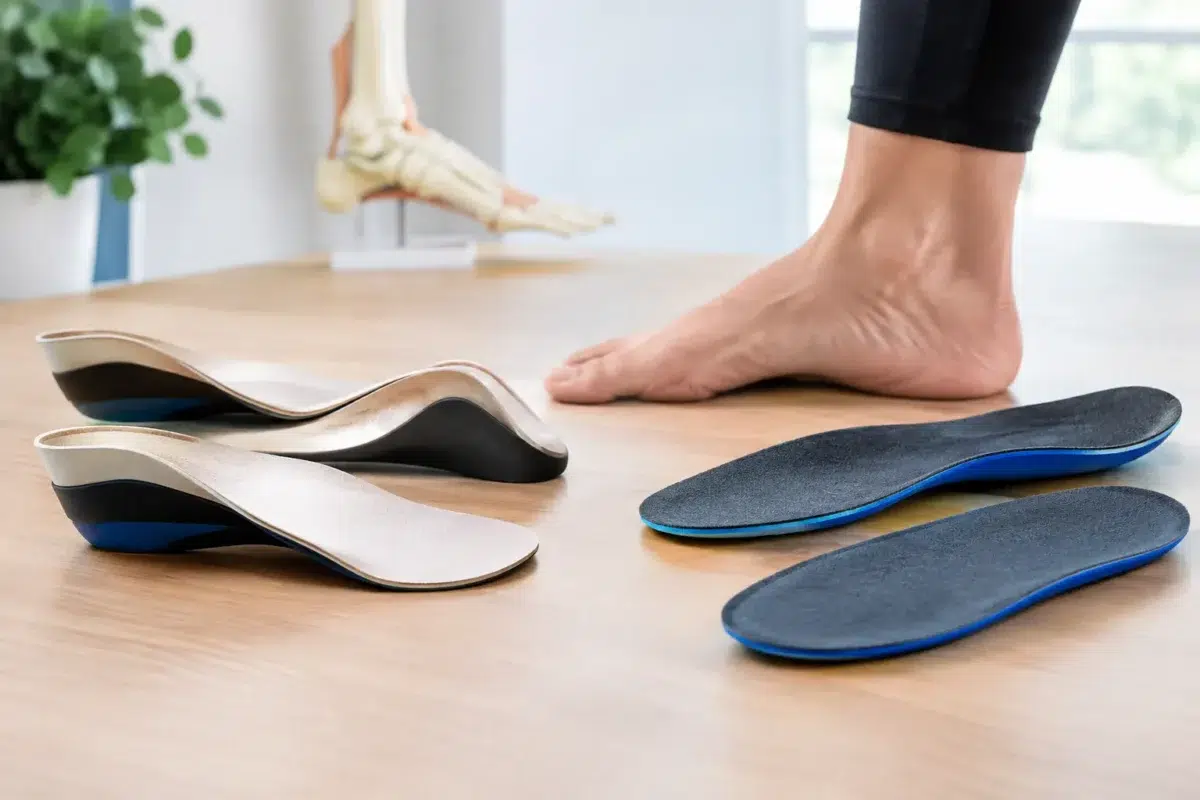
A supportive insert can make a noticeable difference when every step hurts, your work shoes feel unforgiving, or an old injury keeps affecting the way you move. But in the custom orthotics vs insoles decision, the better option is not automatically the most expensive one. It depends on your symptoms, foot structure, activity demands, footwear, and the cause of the problem.
For some people, a well-chosen over-the-counter insole provides enough cushioning and support for daily comfort. For others, especially those with persistent pain, significant biomechanical concerns, or a history of injury, custom orthotics can form part of a more targeted plan for restoring comfortable movement.
Custom Orthotics vs Insoles: The Main Difference
Insoles are ready-made inserts that fit inside a shoe. They are available in pharmacies, footwear stores, and online, usually in standard sizes. Some are designed primarily for cushioning, while others offer arch support, heel cups, pressure relief, or a degree of motion control.
Custom orthotics are made for an individual after a clinical assessment of their feet, posture, walking pattern, symptoms, and footwear needs. They are not simply moulded to the shape of the foot. A properly prescribed orthotic is designed to address how the foot functions during standing, walking, work, exercise, or sport.
That distinction matters because feet do not work in isolation. The way your foot contacts the ground can influence loading through the ankle, knee, hip, pelvis, and lower back. A supportive device may help reduce strain in one area, but it needs to suit the person wearing it. An insert that feels comfortable in a shoe is not always the insert that best supports your movement.
When an Insole May Be Enough
Over-the-counter insoles can be a practical first step for mild, occasional discomfort. They may help if you spend long hours on hard floors, need more cushioning in work shoes, are breaking in a new pair of walking shoes, or feel temporary soreness after a change in activity.
A quality insole may also be useful while you are waiting for an assessment or testing whether additional cushioning improves your comfort. People with generally neutral foot mechanics and no ongoing pain often do well with an insole that fits properly and does not crowd the shoe.
The trade-off is that ready-made insoles are built for an average foot. Even those labelled as supportive cannot account for a marked difference between your left and right side, a very high or low arch, a prior fracture, reduced joint mobility, or a condition that changes the way you walk.
If an insole causes numbness, rubbing, pressure under the arch, blisters, or worsening pain, stop using it. More support is not always better. An insert that is too firm, too high, or poorly matched to your footwear can create new pressure points.
When Custom Orthotics May Be Worth Considering
Custom orthotics are often considered when symptoms keep returning despite sensible footwear, activity changes, or a trial of an appropriate insole. They may be helpful for persistent plantar heel pain, arch pain, metatarsalgia, recurrent shin discomfort, certain Achilles tendon concerns, and pain linked to abnormal foot loading.
They can also be considered when a foot or lower-limb issue is affecting your ability to work, walk, exercise, or recover from an injury. For example, someone who stands throughout a hospital shift or works on a construction site may need a different level of support than someone who walks short distances in casual footwear. A runner returning from an overuse injury has different demands again.
A custom device may be appropriate when there is a clear clinical reason to alter pressure distribution, improve support, accommodate a structural change, or guide movement more effectively. It can be especially useful when standard inserts have failed because they slip, wear out quickly, feel uneven, or do not relieve symptoms.
Custom orthotics are not a cure for every case of foot, knee, hip, or back pain. They are one tool within a broader rehabilitation plan. Depending on the diagnosis, the most effective treatment may also include hands-on therapy, strengthening, mobility work, balance training, footwear advice, pacing, or changes to work and exercise habits.
A clinical assessment should come first
An assessment helps identify whether an orthotic is likely to help and what it needs to do. A clinician may look at your standing posture, joint range of motion, strength, walking pattern, pain location, previous injuries, and the condition of your shoes. Your current footwear matters because a supportive device needs enough space and a stable shoe structure to work as intended.
This process also helps rule out situations where an orthotic alone is not the right answer. Numbness, burning, sudden swelling, loss of sensation, colour changes in the foot, an open wound, or severe pain after trauma require timely medical attention. People with diabetes, circulation concerns, inflammatory arthritis, or nerve-related symptoms should seek individualized guidance rather than self-treating persistent foot problems.
What Custom Orthotics Can and Cannot Do
Well-designed custom orthotics can improve comfort by cushioning sensitive areas, redistributing pressure, supporting specific foot regions, and reducing excessive strain on irritated tissues. Some people notice a difference quickly. Others need an adjustment period as their body adapts to a change in support.
They cannot replace strength, mobility, or gradual load management. If calf tightness, weak foot muscles, reduced hip control, or a rapid jump in training volume is contributing to pain, the underlying factors still need attention. Relying on an orthotic while continuing the same aggravating activity without modification can limit progress.
It is also normal for orthotics to require review. Your symptoms, work demands, shoes, activity level, and body may change over time. Children and adolescents, people returning to sport, and adults whose footwear or health status has changed may need their support reassessed sooner than expected.
Comfort, Cost, and Insurance Considerations
Insoles are less expensive and easy to replace, making them a reasonable option for simple cushioning needs. Custom orthotics cost more because they involve an assessment, design, fabrication, and follow-up support. The value comes from whether the device addresses a genuine clinical need and helps you move with less pain and greater confidence.
Many extended health benefit plans in Canada provide some coverage for custom orthotics, but requirements vary. Your plan may require a prescription, a detailed receipt, supporting clinical documentation, or purchase through a qualified provider. Checking your coverage before ordering can prevent unwelcome surprises.
Do not choose a device only because it is covered by insurance. The goal is appropriate care for your condition. A less costly insole that solves a temporary comfort issue is a better choice than a custom device you do not need. Conversely, repeatedly buying generic inserts that fail to manage a persistent problem may cost more over time without addressing the cause.
Getting Used to Orthotics Safely
Whether you choose custom orthotics or insoles, introduce them gradually unless your clinician gives different instructions. Start by wearing them for a short period at home or during light activity, then increase use as comfort allows. A brief sense of unfamiliarity can be normal, but sharp pain, persistent soreness, numbness, or new symptoms are not signals to push through.
Make sure the insert sits flat inside the shoe and that the shoe has enough depth. Removing the factory liner may create needed room, but only if the shoe still feels stable. Orthotics often work best in supportive walking shoes, work shoes, or runners with a firm heel counter and secure fastening.
At Churchill Physiotherapy Clinic, a custom orthotics assessment can be coordinated with physiotherapy when pain or injury has changed the way you walk. This allows the support in your shoe to be considered alongside the strength, mobility, and movement factors that affect your recovery.
Choose Support That Fits Your Life
The right choice should help you do more of what matters with less discomfort, whether that means getting through a workday, walking the dog, keeping up with your children, or returning to exercise. If foot or lower-limb pain is lingering, a clinical assessment can clarify whether an insole is a sensible short-term solution or whether custom orthotics and rehabilitation support would better serve your long-term function.