

Can Orthotics Help Plantar Fasciitis? What to Know
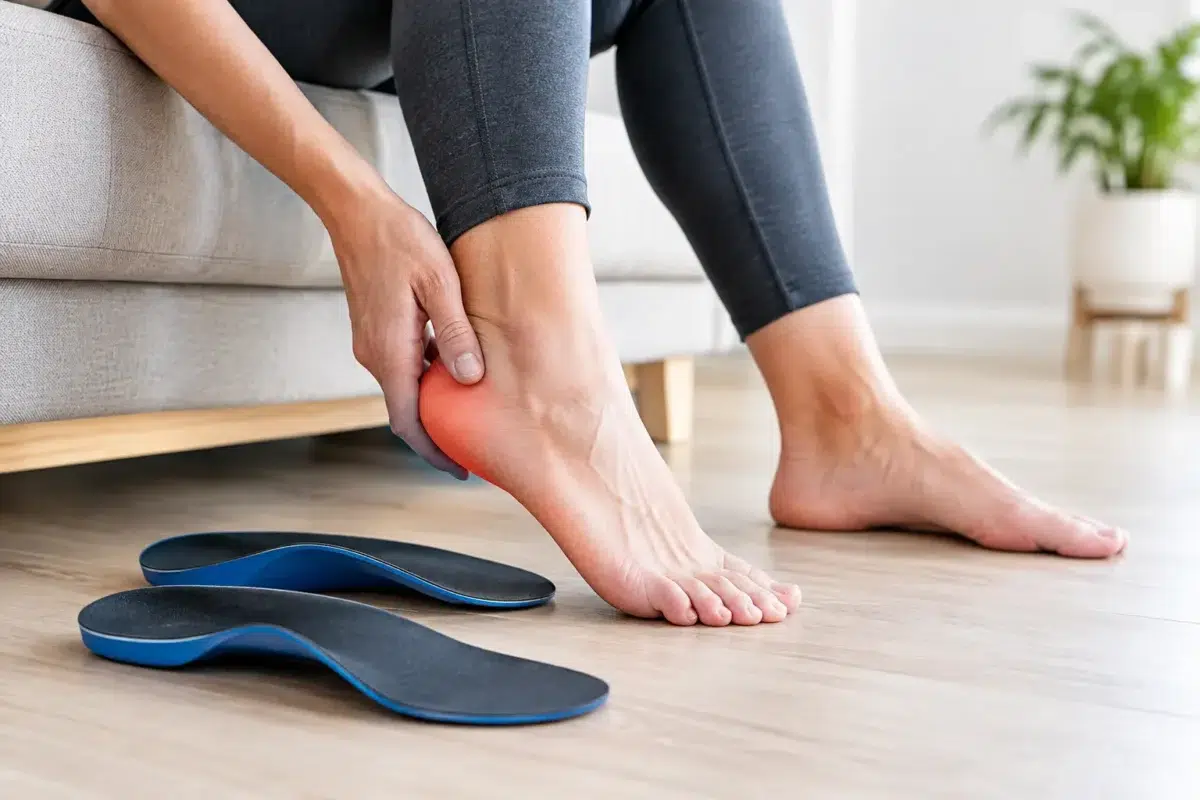
The first few steps out of bed can be the hardest part of plantar fasciitis. That sharp pain under the heel may ease as you move, then return after a long shift, a workout, or time on your feet. It is understandable to ask: can orthotics help plantar fasciitis? For many people, they can reduce strain on painful tissues and make walking more comfortable. They work best, however, as one part of a personalized recovery plan rather than a stand-alone fix.
Can Orthotics Help Plantar Fasciitis?
Yes, orthotics can help plantar fasciitis by supporting the foot in a way that reduces repeated stress on the plantar fascia. This thick band of tissue runs from the heel to the toes and helps support the arch during standing, walking, and running. When it becomes irritated or overloaded, the result is often heel pain, tenderness, and stiffness.
An orthotic sits inside the shoe and can help distribute pressure more evenly across the foot. Depending on its design, it may support the arch, cushion the heel, improve foot alignment, or limit excessive rolling inward of the foot. These changes do not remove every load placed on the plantar fascia, but they can make day-to-day activity more manageable while the tissue settles and becomes stronger.
The benefit depends on the person, their footwear, the demands of their work or sport, and the actual source of their heel pain. Not all heel pain is plantar fasciitis, and not everyone with plantar fasciitis needs a custom device. A clinical assessment helps determine whether orthotics are likely to be useful and what type of support is appropriate.
Why Plantar Fasciitis Develops
Plantar fasciitis is often linked to a gradual mismatch between what the foot is being asked to do and what it can comfortably tolerate. A sudden increase in walking, running, standing, or physical work can contribute. So can unsupportive or worn-out footwear, reduced calf flexibility, weakness through the foot and lower leg, or a change in body weight.
Foot shape and movement patterns may also matter. Very flat feet, high arches, limited ankle motion, or a tendency for the foot to roll inward excessively can change how load moves through the heel and arch. These factors are not automatically a problem, but they can become relevant when symptoms persist.
For Mississauga residents who spend long hours on concrete floors, commute on foot, care for family, or return to activity after an injury, the issue is often cumulative. The foot may tolerate one demanding day, but not weeks or months without enough recovery. Effective care looks at that full picture instead of focusing only on the painful spot.
What Orthotics Can and Cannot Do
Orthotics can provide a more stable and comfortable foundation inside a properly fitted shoe. A supportive arch can reduce pulling through the plantar fascia, while heel cushioning may lessen discomfort with each step. Some orthotics also use a heel cup to help guide the heel and improve how pressure is shared during gait.
This can be especially helpful when pain is interfering with work, errands, exercise, or getting through the morning. By reducing aggravation during necessary daily movement, an orthotic may make it easier to continue rehabilitation exercises and gradually restore normal activity.
However, orthotics do not repair the plantar fascia on their own. They cannot replace strengthening, mobility work, activity modification, or appropriate footwear. They may also feel uncomfortable if they are too rigid, poorly fitted, or placed in a shoe that is too narrow or flexible. More support is not always better. The right level of support is the one that improves comfort and function without creating new pressure points or pain elsewhere.
Custom Orthotics vs. Store-Bought Insoles
Over-the-counter insoles can be a reasonable starting point for mild or recent symptoms. A well-made prefabricated insert with moderate arch support and heel cushioning may offer enough relief for some people, particularly when paired with supportive shoes and a consistent home exercise program. They are also less expensive and available immediately.
Custom orthotics are made to match the individual foot and the way it functions. They may be recommended when symptoms are persistent, the feet have meaningful differences in shape or movement, there is a demanding work or sport requirement, or several store-bought options have not helped. A custom device can also be adjusted as comfort, footwear needs, and activity levels change.
The key distinction is not simply custom versus off-the-shelf. It is whether the orthotic has been selected and fitted for a clear clinical reason. An assessment should consider where the pain occurs, how the foot moves, ankle and calf mobility, strength, balance, footwear, and the activities that trigger symptoms. This helps avoid spending money on a device that is unlikely to address the real problem.
Orthotics Work Best With Active Rehabilitation
The most reliable approach to plantar fasciitis combines symptom relief with a plan to improve the foot’s tolerance to load. During physiotherapy, treatment may include hands-on care for the calf, ankle, and foot; guidance on pacing activity; and targeted exercises to build capacity through the feet, calves, hips, and lower legs.
Gentle mobility work can be useful when calf or ankle stiffness is contributing to excess strain. Progressive strengthening matters because the plantar fascia and surrounding muscles need to handle walking, stairs, standing, and exercise without being repeatedly overloaded. The correct exercises and pace depend on the severity of symptoms. Pushing through sharp pain is rarely productive, but complete rest for extended periods can also leave the tissues less prepared for normal activity.
Footwear deserves attention as well. An orthotic has limited value inside a shoe that is worn down, excessively flexible, or too tight through the toe box. A stable shoe with adequate room and a secure heel counter is often a better partner for an orthotic than a fashionable but unsupportive option.
Signs You May Benefit From an Assessment
It is a good idea to seek professional assessment if heel pain lasts longer than a few weeks, is affecting your work or sleep, or keeps returning when you resume activity. Assessment is also important if there is numbness, significant swelling, bruising, pain at rest, pain after a fall, or difficulty bearing weight. Those symptoms can point to conditions other than plantar fasciitis and may need different care.
At Churchill Physiotherapy Clinic, a clinician can assess your walking pattern, mobility, strength, footwear, and daily demands to determine whether custom orthotics fit your treatment plan. When they are appropriate, the goal is practical: reduce painful strain, support more comfortable movement, and help you return safely to the activities that matter to you.
What to Expect When You Start Wearing Orthotics
A short adjustment period is common, especially with firmer custom orthotics. You may be advised to wear them for limited periods at first and build up gradually over several days. Mild awareness of new support can be normal; increasing pain, numbness, blisters, or discomfort in the knees, hips, or back is not something to ignore. The orthotic or the treatment plan may need adjustment.
Track simple measures that reflect real progress: how painful your first steps are, how long you can stand comfortably, whether you can complete a work shift, and how your foot feels the day after activity. Recovery is rarely perfectly linear, but these measures can show whether the plan is moving in the right direction.
Heel pain can make even ordinary routines feel uncertain. The right orthotic, paired with focused rehabilitation and sensible activity changes, can give your foot the support it needs while you rebuild confidence in every step.