

Custom Orthotics vs Shoe Inserts: Which Is Better?
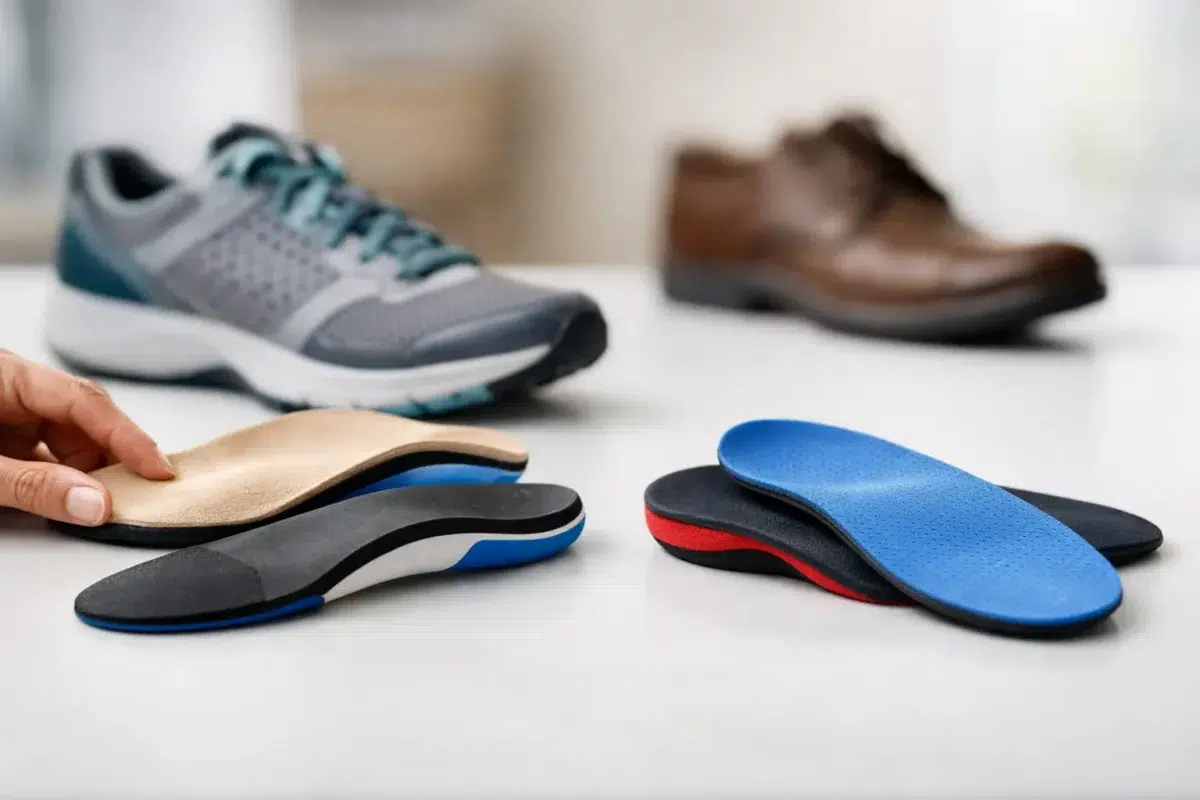
A pair of insoles can feel like a small purchase, but the right choice may affect how comfortably you walk, work, exercise, and recover from injury. When comparing custom orthotics vs shoe inserts, the key question is not simply which option costs more. It is whether your feet need general cushioning or individualized support for a specific movement, alignment, or pain concern.
For some people, a well-chosen over-the-counter insert provides meaningful comfort. For others, especially those with persistent symptoms or recurring injuries, a custom orthotic can be a useful part of a clinically guided treatment plan. The best option depends on your symptoms, footwear, activity demands, and the way your body moves as a whole.
What Are Shoe Inserts?
Shoe inserts are pre-made insoles available in pharmacies, footwear stores, and online. They are designed for broad needs such as extra cushioning, arch support, pressure relief, or heel comfort. Many are made from foam, gel, or semi-rigid materials and can be trimmed to fit different shoes.
A basic insert may be helpful if your shoes have worn-out insoles, you spend long hours standing, or you want more cushioning for occasional walking or exercise. They are accessible, relatively affordable, and easy to try without an appointment.
However, shoe inserts are not made for your particular foot shape, gait, or diagnosis. An insert that feels supportive for one person may feel uncomfortable or inadequate for another. If it changes the fit of your shoe, creates pressure at the toes, or worsens pain, it may not be the right match.
What Makes Custom Orthotics Different?
Custom orthotics are medical devices made to support your individual feet and movement needs. A qualified health professional assesses factors such as foot structure, joint mobility, posture, walking pattern, footwear, work demands, previous injuries, and areas of pain. The orthotic is then designed from a cast, scan, or impression of your feet and prescribed for a specific purpose.
The goal is not to force every foot into a perfectly flat or highly arched position. A well-designed orthotic may help redistribute pressure, improve comfort, support a joint that is working inefficiently, or reduce strain on irritated tissues. Depending on the person, it may be firm and controlling, flexible and accommodative, or built with targeted padding and modifications.
Custom orthotics can be considered for concerns such as plantar heel pain, recurring ankle sprains, forefoot pressure, certain tendon problems, arthritis-related discomfort, diabetic foot pressure concerns, or pain that affects walking and standing. They can also support recovery when a clinician identifies a clear connection between foot mechanics and symptoms higher up the leg, including the knee, hip, or lower back.
Custom Orthotics vs Shoe Inserts: The Practical Differences
The most noticeable difference is personalization. A store-bought insert is made for a general foot type or concern. A custom orthotic is created after an assessment of how your body is functioning and what you need it to do.
Cost is another consideration. Shoe inserts are less expensive upfront and can be a sensible first step for mild, temporary discomfort. Custom orthotics cost more because they include clinical assessment, prescription, fabrication, and fitting. Many extended health plans provide some coverage for custom orthotics, although requirements vary. Plans may require a prescription or supporting documentation, so it is wise to confirm your benefits before proceeding.
Durability also differs. Some retail inserts compress quickly, particularly with daily work boots or high-mileage activity. A custom orthotic is typically made from more durable materials and may be adjusted as your needs change. That said, custom does not mean permanent. Orthotics can wear down, and changes in body weight, activity, footwear, injury status, or foot health may affect whether an older device still serves you well.
Most importantly, neither option should be viewed as a cure on its own. If you have pain caused by weakness, reduced mobility, poor balance, a recent injury, or repetitive work demands, the most effective plan may also include physiotherapy, footwear advice, strength training, manual therapy, and gradual return to activity.
When a Shoe Insert May Be Enough
A pre-made insert can be a reasonable choice when symptoms are mild, recent, and clearly linked to footwear that lacks cushioning or support. For example, someone who has started a job requiring more standing may benefit from a supportive insert in properly fitted shoes. Similarly, a recreational walker with no history of foot problems may find that a cushioned insole improves comfort on longer walks.
Choose an insert that fits your shoe without crowding your foot. A supportive device cannot do its job if your toes are compressed or your heel slips out of the shoe. It is also best to introduce new inserts gradually. Wearing a firmer insert all day immediately can leave your feet, calves, or knees feeling sore as your body adapts.
If discomfort improves within a few weeks and stays improved, an over-the-counter option may be all you need. If pain persists, returns each time you increase activity, or begins affecting your work and mobility, it is time for a more individualized assessment.
When Custom Orthotics Are Worth Considering
Custom orthotics may be appropriate when pain is ongoing, symptoms keep returning, or a generic insert has not provided sufficient relief. They can be particularly useful when you have a diagnosed condition, a significant difference between the way your two feet function, or a need for targeted pressure relief.
They may also be helpful if your occupation places repeated stress on your feet. Healthcare workers, warehouse employees, retail staff, tradespeople, and other professionals who stand or walk for much of the day often need support that works inside specific safety shoes or work boots. The same applies to runners and active adults whose symptoms appear only with higher-level activity.
A clinical assessment matters because foot pain is not always a foot-only problem. Limited ankle mobility after a sprain, weakness through the hip, altered gait after a motor vehicle accident, or knee pain that changes how you load your foot can all influence the right recommendation. In these cases, an orthotic may be one useful tool, but it should fit within a broader recovery plan.
The Right Orthotic Must Work With Your Shoes
Even an excellent orthotic will not feel right in every shoe. Dress shoes, work boots, running shoes, winter boots, and casual footwear have different widths, heel heights, and depths. Bring the shoes you wear most often to your fitting appointment whenever possible.
You may need more than one pair of footwear for different parts of your life, but you may not need a separate orthotic for every shoe. Your clinician can help determine which shoes are most important to accommodate and whether your orthotic can be moved between them. Proper fit is essential: your heel should sit securely, your toes should have room, and the device should not cause new rubbing, numbness, or pressure points.
What to Expect From a Professional Assessment
A proper orthotic assessment should involve more than stepping on a scanner. Your clinician should discuss your symptoms, medical history, daily activities, footwear, and goals. They may assess your walking pattern, balance, range of motion, strength, and how your feet respond under load.
This process helps identify whether custom orthotics are likely to help and what kind of design may be appropriate. It also creates an opportunity to address the underlying factors that may be keeping you in pain. At Churchill Physiotherapy Clinic, orthotic recommendations are made with your overall comfort, mobility, and rehabilitation goals in mind.
Do Not Ignore These Warning Signs
Seek timely medical assessment for sudden severe foot pain, inability to bear weight, significant swelling, colour changes, open wounds, numbness that is worsening, fever, or pain following a major injury. People with diabetes, circulation concerns, neuropathy, or a history of foot ulcers should be especially cautious about self-treating foot pressure or skin changes with a retail insert.
Persistent pain deserves attention as well. Pushing through discomfort can change your walking pattern and place added stress on the knee, hip, or back. Early assessment can help you make a practical decision before a manageable issue becomes more limiting.
The right support should make movement feel more comfortable and confident, not leave you wondering whether you simply need to tolerate pain. If your feet are affecting your work, exercise, or everyday mobility, a personalized assessment can give you a clearer path forward.