

Can Physiotherapy Help Knee Pain? What to Expect
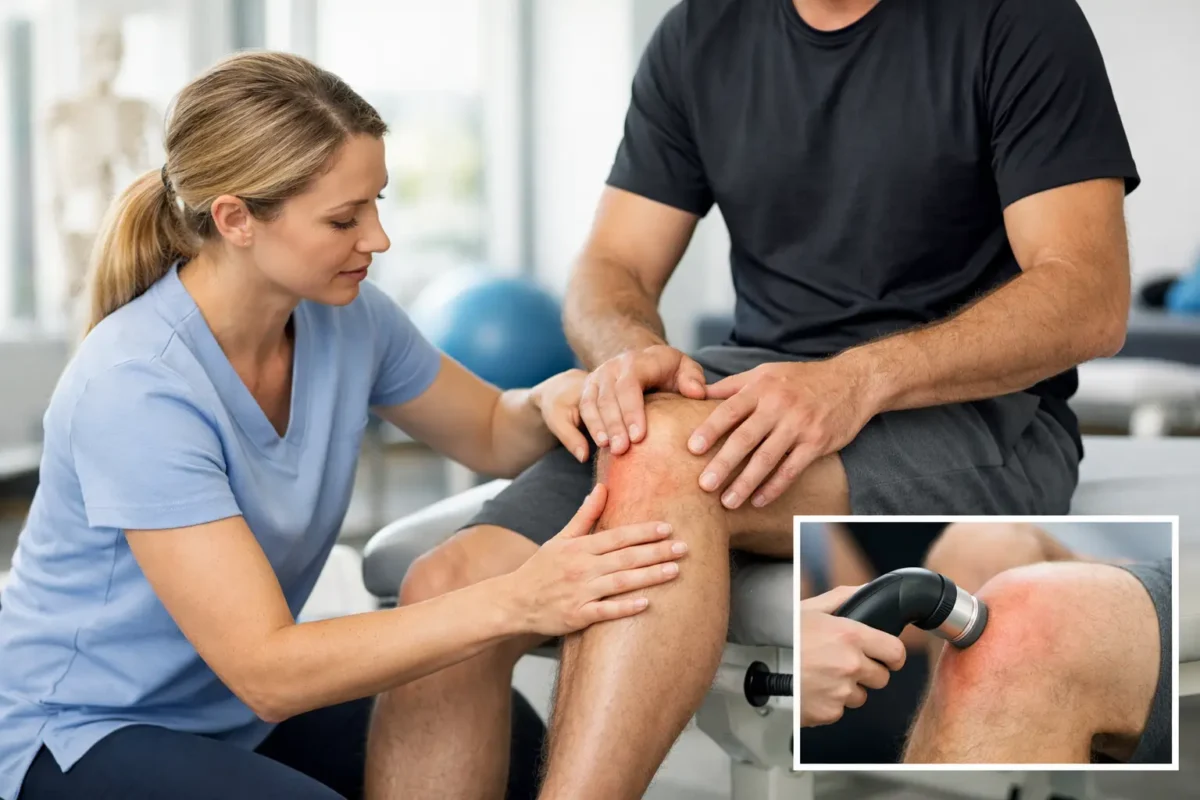
A knee that hurts on the stairs, stiffens after sitting, or gives way during a walk can quickly affect work, exercise, errands, and time with family. So, can physiotherapy help knee pain? For many people, yes. The right treatment can reduce symptoms, restore movement, build confidence in the joint, and address the factors that may be placing too much strain on the knee in the first place.
Knee pain is not one condition, and there is no single exercise or treatment that suits everyone. A personalized physiotherapy assessment helps identify what is driving your symptoms, whether that is a recent injury, joint irritation, weakness, altered movement patterns, arthritis, or a combination of factors. From there, treatment can focus on practical progress: moving with less pain, managing daily demands more comfortably, and returning safely to the activities that matter to you.
Can Physiotherapy Help Knee Pain From Different Causes?
Physiotherapy can be useful for many common knee problems, but the treatment plan depends on the diagnosis, your health history, and your goals. Pain at the front of the knee after running, squatting, or climbing stairs often requires a different approach than a swollen knee following a twist or a painful knee affected by osteoarthritis.
People commonly seek physiotherapy for patellofemoral pain, often called runner’s knee; tendon-related pain around the kneecap; ligament or meniscus injuries; muscle strains; post-surgical rehabilitation; and osteoarthritis. Knee pain can also be linked to the hip, ankle, foot, lower back, or the way the body manages load during work and exercise.
For example, a person who has returned to recreational sport after a long break may need help gradually rebuilding strength and tolerance. An older adult with knee arthritis may benefit from improving leg strength, balance, walking capacity, and confidence with stairs. Someone recovering from a motor vehicle accident may need a plan that considers knee pain alongside other injuries affecting mobility and function.
Physiotherapy does not promise that every structural change in a knee will disappear. It can, however, help many people improve how the knee functions and reduce the impact pain has on everyday life. Even when imaging shows arthritis or a degenerative meniscus change, symptoms and function can often improve with the right rehabilitation plan.
What Happens During a Knee Physiotherapy Assessment?
A thorough assessment is where effective treatment begins. Your physiotherapist will ask how the pain started, where it is located, what movements trigger it, whether there is swelling or instability, and how it affects sleep, work, walking, exercise, and daily activities.
They will then assess how your knee moves and how the surrounding areas contribute. This may include checking range of motion, swelling, muscle strength, balance, walking mechanics, stair control, and movements such as sitting to standing or squatting. The hip, ankle, and foot may also be assessed because they can influence the way force travels through the knee.
This process helps distinguish between a knee that needs temporary protection and one that needs gradual, guided loading. It also helps set realistic goals. For one patient, the priority may be walking the dog without pain. For another, it may be returning to a physically demanding job, playing hockey, or preparing for knee replacement surgery.
How Physiotherapy Treatment Can Reduce Knee Pain
A treatment plan should be specific to your condition and adjusted as your symptoms change. In the early stages of an acute injury, the focus may be on controlling swelling, restoring gentle movement, and protecting the joint while it settles. With persistent pain, the focus often shifts toward building strength, improving movement capacity, and helping the knee tolerate everyday loads more effectively.
Hands-On Treatment and Symptom Relief
Manual therapy may be used to improve joint movement, reduce muscle tension, or make it more comfortable to begin exercising. Depending on your assessment, a physiotherapist may use soft-tissue techniques, joint mobilization, or other hands-on approaches to support short-term symptom relief.
These treatments are most valuable when they help you move and exercise more comfortably. Passive treatment alone is rarely the full answer for lasting knee function. A good plan pairs symptom management with active rehabilitation that gives you the tools to manage your recovery outside the clinic.
Targeted Strength and Mobility Exercises
The quadriceps, hamstrings, calves, gluteal muscles, and core all contribute to knee control. Weakness or poor endurance in these areas can make tasks such as stairs, lifting, prolonged standing, running, and getting up from a chair more difficult.
Your program may begin with simple movements that do not significantly aggravate symptoms, then progress as your capacity improves. This could include controlled knee extensions, bridges, step-ups, sit-to-stands, balance work, or modified squats. The goal is not simply to strengthen a muscle in isolation. It is to help your body manage the movements you need in real life.
Mobility work may also be appropriate if stiffness in the knee, hip, or ankle is limiting movement. However, more stretching is not always the solution. If a tendon or irritated joint is already sensitive, the right amount of loading and recovery matters more than pushing through aggressive stretches.
Activity Modification Without Stopping Everything
Many people assume knee pain means they must stop all activity. Complete rest can sometimes be appropriate for a short period after a significant injury, but prolonged inactivity may lead to more stiffness, weakness, and reduced confidence.
Physiotherapy helps you find a safer middle ground. You may temporarily reduce deep squatting, high-impact exercise, or repeated stair climbing while keeping up with tolerable activities such as walking, cycling, pool exercise, or selected strength training. The plan can then progress gradually, based on how your knee responds during and after activity.
This is especially helpful for people whose work cannot simply be put on hold. A treatment plan can consider standing time, lifting demands, kneeling, commuting, and other real-world factors that affect recovery.
How Long Does It Take to See Improvement?
The answer depends on the cause and duration of your knee pain. A mild overuse problem may begin to improve within a few weeks with appropriate modifications and exercise. Recovery after a ligament injury, surgery, or a more complex accident can take considerably longer. Long-standing osteoarthritis or chronic pain may require ongoing management rather than a quick fix.
Progress is rarely perfectly linear. Some soreness can be expected when you begin to challenge a deconditioned knee, but sharp pain, major swelling, locking, or a significant loss of function should be reviewed. Your physiotherapist can adjust the pace of treatment so you are progressing without repeatedly flaring symptoms.
Consistency makes a meaningful difference. Attending appointments, completing the recommended home exercises, and following guidance about work, sport, and activity levels gives the knee the regular input it needs to adapt.
When Knee Pain Needs Medical Attention First
Physiotherapy is appropriate for many knee concerns, but urgent symptoms should not be ignored. Seek prompt medical assessment if you cannot bear weight after an injury, the knee is severely swollen or visibly deformed, you have fever or redness with significant joint pain, or you experience calf swelling, chest pain, or shortness of breath.
It is also important to be assessed if the knee repeatedly locks, gives way suddenly, or symptoms are worsening rather than improving. A physiotherapist can identify when further investigation or referral is needed and can coordinate rehabilitation around your medical care.
A Personal Plan Makes the Difference
Generic online exercises may be useful for some people, but they cannot account for your specific injury, medical history, work demands, fitness level, or movement limitations. The wrong exercise, load, or timing can leave a sensitive knee more irritated.
At Churchill Physiotherapy Clinic, one-on-one care allows treatment to be tailored to how your knee is responding and what you need to return to. Hands-on treatment, progressive exercise, and practical guidance can be combined with other appropriate services when your recovery would benefit from a broader approach.
Knee pain can make even ordinary movements feel uncertain, but it does not have to dictate every decision you make. A careful assessment and a realistic rehabilitation plan can help you take the next step with greater comfort, strength, and confidence.