

How to Relieve Knee Pain and Move With Confidence
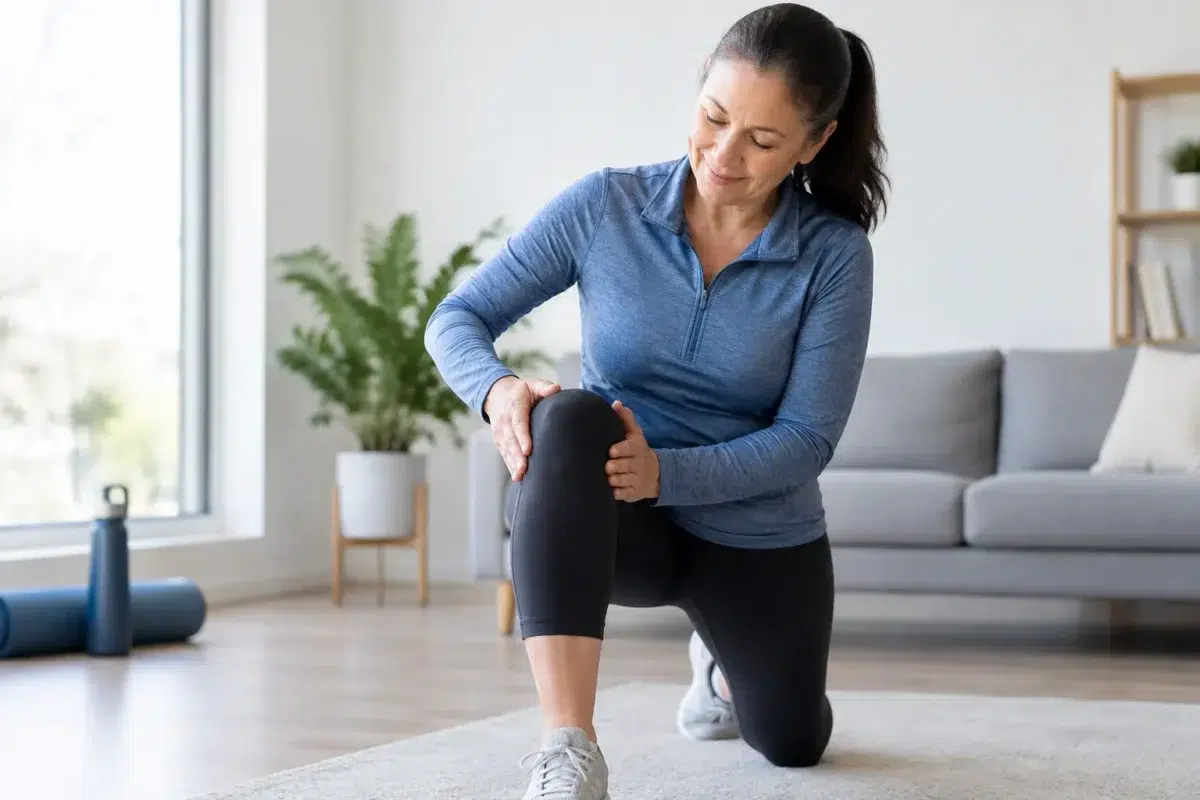
A knee that hurts when you stand from a chair, climb stairs, walk the dog, or get out of the car can quickly affect the rest of your day. Knowing how to relieve knee pain starts with understanding that the goal is not simply to push through discomfort or avoid movement altogether. The right approach reduces irritation while helping the knee regain the strength, mobility, and confidence it needs for daily life.
Knee pain can come from a recent twist, repetitive loading at work, an old sports injury, arthritis, changes in activity level, or pain referred from the hip or lower back. What helps one person may not help another. A safe plan considers where the pain is located, when it began, what movements aggravate it, and whether swelling, instability, or loss of motion is present.
Start by Reducing the Aggravating Load
When knee pain flares, complete bed rest is rarely the answer. Too little movement can lead to stiffness and weakness, which may make walking and stairs harder when you return to them. Instead, temporarily reduce the specific activities that repeatedly provoke the pain.
For example, if deep squats, kneeling, running, or repeated stair climbing increase symptoms, scale them back for several days while staying active in more comfortable ways. Short, level walks, gentle stationary cycling, or pool exercise may be better tolerated, depending on the cause of your pain. The right amount of activity is often one that produces only mild discomfort during exercise and does not leave the knee noticeably worse later that day or the following morning.
Pacing matters for busy adults. A physically demanding shift, a weekend of home projects, and a new fitness routine can add up quickly. Breaking tasks into shorter periods, taking movement breaks, and alternating heavier and lighter days can calm an irritated knee without stopping your routine completely.
Use Heat or Cold Based on Your Symptoms
Cold can be useful when the knee feels hot, swollen, or newly aggravated after activity. Apply a wrapped cold pack for about 10 to 15 minutes at a time, with a cloth between the pack and your skin. This may reduce pain and help manage swelling in the short term.
Heat is often more comfortable for stiffness, particularly before gentle movement or exercise. A warm shower, heating pad, or warm compress may help loosen surrounding muscles. Do not sleep with a heating pad, and avoid heat over an acutely swollen or hot joint.
Neither heat nor cold fixes the underlying problem, but both can make it easier to move comfortably while you address the factors causing the pain.
Build Support Around the Knee
The knee works as part of a chain that includes the feet, ankles, hips, and trunk. Weakness or poor control at the hip can allow the knee to drift inward during stairs, squats, or walking. Limited ankle movement can change how force travels through the leg. Footwear that is worn out or unsupportive may also affect comfort, especially when you spend long hours standing.
Simple strengthening exercises are often central to longer-term relief, but the best selection depends on your symptoms. A person with pain at the front of the knee may need a different starting point than someone with arthritis-related stiffness or pain following a ligament injury.
A physiotherapist may begin with low-irritation movements such as gentle knee bends, straight-leg raises, seated leg extensions within a comfortable range, bridges, or side-lying hip exercises. As pain settles and control improves, treatment can progress toward step-ups, squats, balance work, and task-specific training for work, sport, or caregiving demands.
The key is dosage. More exercise is not always better when the joint is irritable. A personalized plan provides enough challenge to build capacity without repeatedly triggering a flare-up.
Consider Bracing, Footwear, and Other Aids Carefully
A knee sleeve or brace can sometimes provide compression, warmth, or a greater sense of stability during activity. It can be helpful for certain people, but it should not become the only strategy. If a brace is needed for every step, or if the knee regularly gives way, an assessment is appropriate.
Supportive shoes can be a practical first step for people who walk or stand for work. Depending on your foot mechanics and diagnosis, custom orthotics may be considered to improve comfort and distribute load differently through the lower limb. They are not necessary for every knee condition, which is why an individual assessment is more useful than choosing an insert based on a general recommendation.
A cane, walking pole, or temporary mobility aid may also reduce load during a painful flare. Using one is not a sign of failure. It can help you remain active safely while recovering, particularly after an injury or during a significant arthritis flare.
Manage Pain Medication Safely
Over-the-counter pain relief may help some people stay mobile enough to complete gentle exercise and daily tasks. However, medication is not suitable for everyone. Anti-inflammatory medications can interact with other prescriptions and may not be appropriate for people with kidney disease, stomach ulcers, heart conditions, high blood pressure, or certain other health concerns.
Ask a pharmacist, physician, or qualified healthcare provider what is safe for you, especially if you take regular medication or have a chronic health condition. Pain medication can support recovery, but it is most effective when paired with a plan to restore movement and strength rather than used to keep pushing through sharp or worsening pain.
When Knee Pain Needs Professional Assessment
Some knee pain improves with sensible activity modification and gradual exercise. Other cases need a closer look. Assessment is particularly valuable when pain persists beyond a couple of weeks, limits sleep or work, returns every time you become active, or prevents you from walking, bending, or using stairs normally.
A physiotherapy assessment looks beyond the painful spot. It can identify movement patterns, strength deficits, joint restrictions, balance concerns, and contributing factors from the hip, back, foot, or previous injury. Your therapist can then provide hands-on treatment where appropriate, guide progressive exercise, and help you return safely to the activities that matter to you.
At Churchill Physiotherapy Clinic, one-on-one care can combine individualized rehabilitation with services such as massage therapy, acupuncture, chiropractic care, osteopathy, or custom orthotics when they are clinically appropriate to your plan. The focus remains on measurable improvements in comfort, mobility, strength, and daily function.
Seek Urgent Care for Warning Signs
Do not wait for a routine appointment if knee pain follows a major fall, collision, or twisting injury and you cannot bear weight. Urgent medical assessment is also needed if the knee appears deformed, is rapidly swelling, locks completely, or feels severely unstable.
Seek prompt care if you have a hot, red, very swollen knee along with fever or feeling unwell, as this can indicate an infection or other condition requiring immediate medical attention. New calf swelling, warmth, tenderness, chest pain, or shortness of breath also requires urgent assessment. These symptoms should not be managed as routine knee pain.
Make Recovery Fit Your Real Life
The most effective knee pain plan is one you can follow consistently. If you commute, work on your feet, care for children, or are returning after a motor vehicle accident, your rehabilitation needs to reflect those demands. A plan that only works in a clinic but does not account for stairs at home, long shifts, or your preferred activities will be difficult to sustain.
Small, steady progress is meaningful. Being able to walk farther before pain begins, rise from a chair more easily, or get through a workday with less swelling are useful signs that the knee is building tolerance. With the right guidance and a pace that respects your symptoms, you can move from protecting a painful knee to trusting it again.