

8 Best Exercises for Knee Osteoarthritis
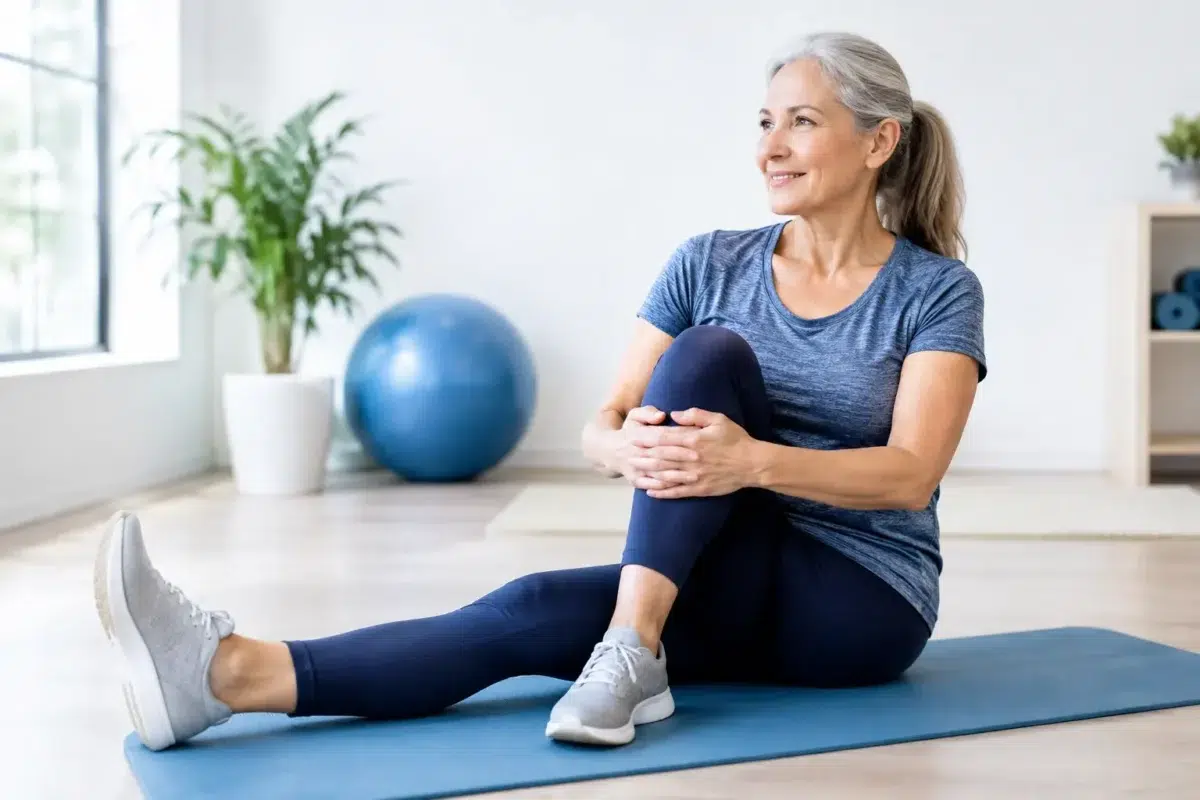
Knee osteoarthritis can make ordinary tasks feel unexpectedly demanding. Getting up from a chair, walking through a grocery store, using stairs, or keeping up with family may bring aching, stiffness, swelling, or a feeling that the knee cannot be trusted. The best exercises for knee osteoarthritis are not about pushing through sharp pain. They are chosen to strengthen the muscles that support the joint, maintain comfortable movement, and help you stay active with greater confidence.
Exercise is one of the most useful conservative treatments for knee osteoarthritis, but the right starting point varies from person to person. A knee that is mildly stiff in the morning needs a different approach than a knee that swells after a long workday, feels unstable after an old injury, or is recovering from a flare-up. The goal is gradual, measurable improvement in strength, mobility, balance, and daily function.
Why movement helps an arthritic knee
Osteoarthritis involves changes to the joint, including cartilage wear and irritation of surrounding tissues. Exercise cannot reverse those structural changes, but it can improve how the knee performs. Strong quadriceps, hamstrings, gluteal muscles, and calf muscles help absorb force during walking, stair climbing, and standing. Better hip strength can also improve lower-limb alignment and reduce unnecessary strain at the knee.
Movement also helps reduce stiffness by keeping the joint accustomed to regular motion. This does not mean every exercise will feel easy. Mild muscular effort or temporary discomfort can be normal when beginning a new program. Sharp pain, catching, a marked increase in swelling, or pain that remains substantially worse the next day are signs that the activity may need to be modified.
A useful rule is to work within a tolerable range. Many people do well when discomfort stays mild and settles soon after exercise. If your pain is more severe, your knee is hot or significantly swollen, or it repeatedly gives way, an assessment by a physiotherapist can help identify the safest next step.
Best exercises for knee osteoarthritis at home
Start with a short warm-up such as a few minutes of easy walking, a stationary bike with little resistance, or gentle knee bends while seated. Move slowly and prioritize control over repetition counts. For most exercises, begin with one set of 8 to 10 repetitions and build toward two or three sets as tolerated, two to four days per week.
1. Seated knee extensions
Sit upright in a sturdy chair with both feet on the floor. Slowly straighten one knee until the leg is nearly level with the floor, pause for two to three seconds, then lower with control. Avoid locking the knee forcefully at the top.
This exercise targets the quadriceps, the large muscles at the front of the thigh that help control the knee during walking and standing. If straightening the knee is uncomfortable, work through a smaller range at first. A light ankle weight may be added later, but only when bodyweight movement feels controlled and does not aggravate symptoms.
2. Sit-to-stands
Sit near the front of a firm chair with your feet hip-width apart. Lean forward slightly from the hips, press through both feet, and stand without using your hands if possible. Slowly lower back to the chair, keeping the movement controlled rather than dropping into the seat.
Sit-to-stands are particularly practical because they train a movement used throughout the day. They strengthen the thighs and hips while improving confidence with transfers. If the exercise is too difficult, start from a higher chair or place a firm cushion on the seat. If it is too easy, slow the lowering phase before adding more repetitions.
3. Supported mini-squats
Stand facing a kitchen counter or the back of a sturdy chair, holding on lightly for balance. Bend at the hips and knees as though you are starting to sit down, then return to standing. Keep the squat shallow at first and allow your knees to track in the same direction as your toes.
A mini-squat builds strength through a functional weight-bearing movement. Depth matters less than good technique. For some people with osteoarthritis, deeper bending increases symptoms, especially when stairs or kneeling are already painful. Staying in a comfortable range still provides meaningful strengthening.
4. Step-ups
Use the bottom stair or a low, stable step near a railing or counter. Place one foot fully on the step, press through that foot to rise, then step down slowly. Complete repetitions on one side before switching.
Step-ups prepare the knee for curbs and stairs, but they should not be rushed. Start with a low step and use support as needed. If stepping up produces sharp pain at the front of the knee, reduce the height, slow down, or return to sit-to-stands while building strength.
5. Straight-leg raises
Lie on your back with one knee bent and the other leg straight. Tighten the thigh of the straight leg, then lift the heel several inches from the floor. Hold briefly and lower slowly without letting the thigh fully relax between repetitions.
This is a lower-load way to activate the quadriceps when bending the knee is currently uncomfortable. It can be useful during a flare-up or early in rehabilitation, although it should not be the only strengthening exercise long term. As tolerance improves, weight-bearing exercises are usually valuable for rebuilding everyday function.
6. Glute bridges
Lie on your back with knees bent and feet flat on the floor. Tighten your abdominal muscles gently, press through your heels, and lift your hips until your body forms a comfortable line from shoulders to knees. Pause, then lower gradually.
Your hip muscles influence how force travels through the leg. Bridges strengthen the gluteal muscles and hamstrings without requiring deep knee bending. Keep the lift modest if you experience back discomfort, and avoid pushing the hips so high that the movement shifts into the lower back.
7. Side-lying hip abduction
Lie on your side with the bottom knee bent for stability and the top leg straight. Lift the top leg upward slowly without rolling your pelvis backward, then lower with control. Keep the toes pointing forward rather than turning the leg outward.
This exercise strengthens the muscles on the outside of the hip, which help control the pelvis and thigh during walking. That control can be especially helpful if your knee tends to drift inward when you climb stairs or stand from a chair. A small, well-controlled lift is more effective than lifting high with poor form.
8. Calf raises and balance practice
Stand near a counter for support. Rise onto the balls of both feet, pause, and lower slowly. Once this is comfortable, add a simple balance challenge by standing on one leg with fingertips on the counter, aiming for a steady hold rather than trying to go without support too soon.
Calf strength and balance are often overlooked in knee osteoarthritis care. They matter for walking endurance, stepping over uneven surfaces, and reducing the fear of falling. If you have dizziness, a recent fall, numbness in your feet, or significant balance concerns, perform these exercises only with appropriate guidance.
Aerobic exercise: choose the option you will repeat
Strengthening works best alongside regular cardiovascular activity. Walking is accessible and functional, but it is not the only choice. A stationary bicycle is often comfortable because it provides repeated knee movement with low impact. Pool exercise can be useful when weight-bearing is difficult, while an elliptical may suit people who tolerate standing but find walking on hard surfaces aggravating.
The best option depends on your symptoms, fitness, access, and personal preference. Start with 5 to 10 minutes at an easy pace and increase gradually. A shorter session performed consistently is more beneficial than an ambitious workout that causes a multi-day flare-up. Supportive footwear, a level walking route, and a walking aid when recommended can also make activity more manageable.
When a personalized plan matters
Generic exercises can be a helpful start, but knee osteoarthritis rarely exists in isolation. Previous meniscus injuries, hip weakness, foot mechanics, back pain, body weight changes, work demands, and fear of movement can all affect recovery. A physiotherapy assessment can identify which movements are limited, which muscles need more attention, and whether manual therapy, education, bracing, orthotics, or another treatment approach may support your progress.
At Churchill Physiotherapy Clinic, a personalized rehabilitation plan can be adjusted as your symptoms change, whether your goal is to return to work comfortably, manage stairs at home, walk farther, or resume recreational activity. The right plan should feel challenging enough to build capacity while remaining realistic for your current knee.
Progress with knee osteoarthritis is often built in small, repeatable wins: standing up with less hesitation, completing a walk without a flare-up, or noticing that stairs feel more manageable. Give your knee a consistent reason to get stronger, and let your program evolve as your confidence and capacity return.