

Your Guide to Custom Orthotics for Pain Relief
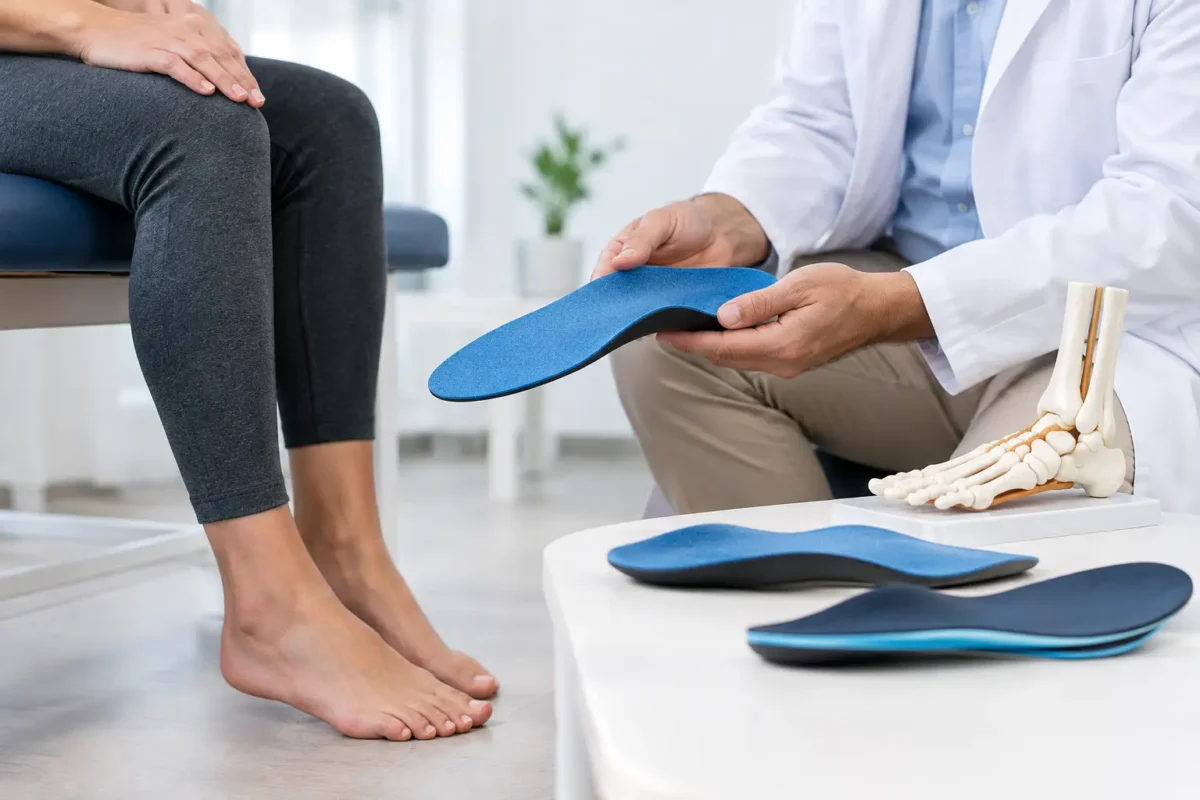
A sore heel on the first few steps of the morning, aching arches after a work shift, or knee pain that appears halfway through a walk can all change how you move. This guide to custom orthotics explains how individualized foot support may help reduce strain, improve comfort, and support better movement when it is prescribed for the right reason.
Custom orthotics are not simply cushioned insoles. They are medical devices designed around your feet, footwear, walking pattern, symptoms, and functional goals. For some people, they can make standing, working, exercising, or recovering from an injury more manageable. For others, a different treatment approach may be more appropriate. The value comes from a proper assessment, not from choosing the most padded insert on the shelf.
What Are Custom Orthotics?
Custom orthotics are inserts placed inside shoes to support, cushion, or guide the feet. A clinician uses an assessment and a foot impression, scan, or cast to create an orthotic that reflects the shape and function of your feet. The finished device is made to fit specific footwear and address a specific clinical need.
They may be prescribed to redistribute pressure away from a painful area, support an arch, improve shock absorption, or influence how the foot moves during walking and running. Because the feet are the foundation for standing and movement, changes at the foot can sometimes reduce stress higher up the body, including at the ankles, knees, hips, and lower back.
That does not mean every case of knee, hip, or back pain begins in the feet. Pain is often influenced by strength, joint mobility, training volume, workplace demands, previous injury, and other health factors. Orthotics work best as one part of a personalized care plan when they are clinically indicated.
Custom orthotics versus store-bought insoles
Over-the-counter insoles can be useful for short-term cushioning, mild fatigue, or testing whether additional shoe support feels comfortable. They are widely available and generally cost less. However, they are made in standard shapes and cannot account for individual differences such as a pronounced arch, significant pressure points, leg-length differences, or a particular injury pattern.
Custom orthotics are built for a more precise purpose. They can be made from materials ranging from softer accommodative foams to firmer supportive shells, depending on your symptoms, body weight, daily activities, and footwear. A runner may need a different design from someone who stands on concrete all day, and both may need a different device from an older adult managing balance or foot pressure concerns.
Who May Benefit From Custom Orthotics?
Orthotics may be considered when foot mechanics, pressure distribution, or footwear support are contributing to pain or reduced function. People often seek an assessment for ongoing heel pain, plantar fasciitis, arch pain, forefoot discomfort, recurrent ankle strain, shin pain, or discomfort related to flat feet or high arches.
They may also be helpful for people whose work requires long periods of standing or walking, including healthcare workers, retail employees, tradespeople, and warehouse staff. When each shift leaves the feet and lower legs feeling sore, the goal is not only to make shoes softer. It is to understand whether pressure, support, fatigue, strength, or movement patterns are creating the problem.
Athletes and active adults may benefit when symptoms appear with running, court sports, hiking, or gym training. In these cases, an orthotic should be considered alongside training progression, footwear choice, mobility, strength, and recovery. Adding an insert while continuing a rapid increase in activity may not solve the underlying overload.
Certain medical conditions also require careful attention to foot health. People with diabetes, arthritis, circulation concerns, nerve-related changes, or significant foot deformity should seek professional guidance rather than attempting to self-treat persistent pressure areas. New numbness, colour changes, wounds, marked swelling, or sudden inability to bear weight require timely medical assessment.
A Guide to Custom Orthotics Assessment and Fitting
A quality orthotic process starts with a conversation. Your clinician should ask where symptoms occur, when they started, what makes them better or worse, what shoes you wear most often, and how pain affects work, activity, sleep, or daily tasks. Previous injuries, surgeries, health conditions, and activity goals also matter.
The physical assessment may include looking at foot posture, joint mobility, strength, balance, walking mechanics, and the way your shoes have worn over time. Your clinician may also assess the ankles, knees, hips, and lower back when symptoms suggest they are relevant. This broader view helps avoid treating the foot in isolation.
If custom orthotics are appropriate, the feet are measured or scanned to capture the information needed for fabrication. The prescription considers more than arch height. It may include the device’s material, thickness, top cover, heel support, posting, cushioning, and any accommodation needed to reduce pressure in a sensitive area.
Bring the shoes you wear most often to your appointment whenever possible. A well-designed orthotic still needs to fit the shoe. Dress shoes, work boots, running shoes, and safety footwear all have different amounts of space and different support needs. Sometimes one pair of orthotics can work in several shoes; sometimes separate solutions are more practical.
The fitting appointment matters
When your orthotics are ready, they should be checked in your footwear and tested while you stand and walk. Your clinician can confirm that they sit flat, do not crowd the toes, and feel stable under the heel and arch. They can also explain how to transfer them between suitable shoes and how to care for them.
A brief adjustment period is normal, particularly with firmer devices. Start by wearing them for a limited period each day, then gradually increase use as comfort allows. Mild awareness of new support can occur, but increasing pain, numbness, rubbing, or skin irritation is not something to push through. Contact the clinic for an adjustment.
What Results Can You Expect?
The expected result depends on the condition being treated. Some people notice improved comfort quickly, especially when pressure relief or cushioning is the main goal. Others need several weeks to judge whether changes in walking tolerance, work comfort, or exercise symptoms are meaningful.
Orthotics should not be viewed as a passive fix for every musculoskeletal issue. If pain has been present for months, rehabilitation may also include hands-on treatment, mobility work, strengthening, balance exercises, activity modification, or guidance on returning to sport or work. This combined approach is often more effective because it addresses both the stress on the body and its ability to tolerate that stress.
Good footwear remains essential. An orthotic placed inside a worn-out or poorly fitting shoe has limits. Shoes should provide enough depth for the insert, a secure heel fit, and appropriate support for your activity. Your clinician can help you understand what features matter without assuming that one shoe style is right for everyone.
Getting the Most From Your Orthotics
Use orthotics in the footwear recommended during your fitting, and avoid bending or cutting them unless instructed. Remove them periodically to air out, wipe them with a damp cloth if needed, and allow them to dry fully before wearing them again. Heat can damage some materials, so they should not be placed on radiators or in dryers.
Pay attention to functional changes rather than judging them only by whether you can feel them under your feet. Are you able to stand longer at work? Has the first-step heel pain eased? Can you walk farther with less discomfort? Are you recovering better after activity? These measures provide a clearer picture of whether the device is helping.
Follow-up is particularly useful if symptoms change, shoes are replaced, activity levels increase, or the orthotics begin to feel uncomfortable. Devices can also wear down over time, especially with frequent use in demanding work boots or athletic shoes. A reassessment can determine whether an adjustment, repair, replacement, or a different treatment plan is needed.
Persistent foot or lower-body pain deserves more than a quick purchase from a store shelf. At Churchill Physiotherapy Clinic, an individualized assessment can help determine whether custom orthotics fit your needs and how they can support a broader plan for comfortable, confident movement.