

Manual Physiotherapy for Pain and Better Movement
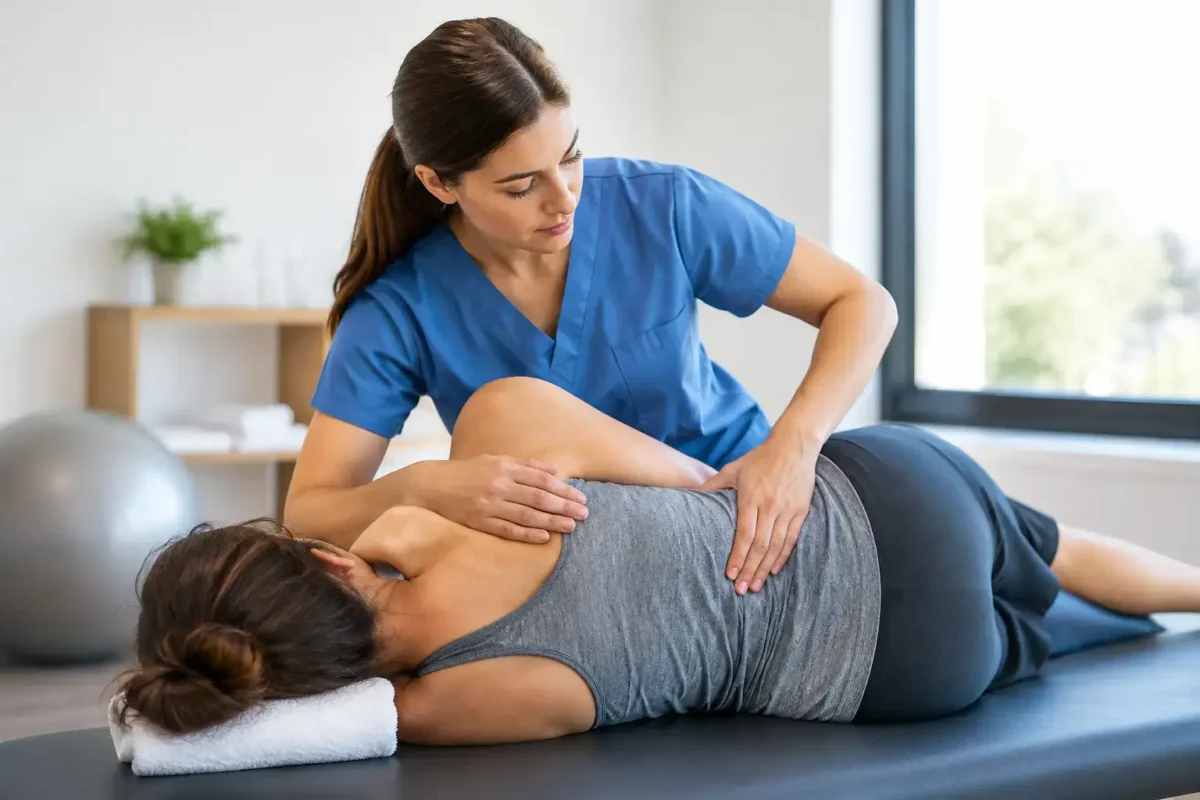
A stiff neck that makes driving uncomfortable, a low back that tightens after a workday, or a shoulder that will not settle after an injury can change how you move through every part of your day. Manual physiotherapy is a hands-on treatment approach that helps identify what is limiting your movement, reduce pain where possible, and guide your body back toward stronger, more comfortable function.
It is not simply a massage, and it is not a substitute for active rehabilitation. Used at the right time and for the right reason, hands-on treatment can be a valuable part of a personalized physiotherapy plan for people recovering from injury, managing chronic pain, or trying to move with more confidence.
What is manual physiotherapy?
Manual physiotherapy refers to skilled, hands-on techniques provided by a licensed physiotherapist. After assessing your symptoms, movement patterns, strength, joint mobility, and relevant health history, the physiotherapist may use their hands to mobilize joints, work with soft tissues, guide movement, or reduce protective muscle tension.
The purpose is practical: to help you move more comfortably and effectively. For some patients, that may mean improving shoulder motion so they can reach overhead. For others, it may mean easing back stiffness enough to return to walking, lifting, or sitting at work with less discomfort.
Treatment is never meant to be a one-size-fits-all sequence. The pressure, technique, location, and duration should reflect your condition, your tolerance, and your goals. A recent ankle sprain, for example, requires a different approach than long-standing arthritis, a post-operative knee, or persistent headaches related to neck tension.
How hands-on treatment can support recovery
Pain often changes movement. When a joint feels stiff or an area is sensitive, people naturally begin to guard it. Over time, this can lead to reduced range of motion, muscle weakness, compensation in another area of the body, and less confidence in everyday activity.
Manual therapy can help interrupt that pattern. Gentle joint mobilization may improve how a joint moves. Soft-tissue techniques may reduce tension in muscles that are working too hard to protect an injured area. Guided movement can help a patient regain awareness and control when a motion feels difficult or uncertain.
These changes can create a useful window for rehabilitation. If you can bend, turn, reach, or walk with less discomfort, it is often easier to complete the strengthening and mobility exercises that support lasting improvement. That is why manual treatment is commonly paired with an active home program rather than used as the only form of care.
The response is individual. Some people feel noticeably looser after one appointment, while others need several visits before changes become clear. Relief may also be temporary at first. The longer-term goal is not to make you dependent on treatment, but to help you build the mobility, strength, balance, and confidence needed to manage daily life independently.
Conditions that may benefit from manual physiotherapy
Hands-on physiotherapy can be considered for many musculoskeletal concerns, especially when pain, stiffness, or restricted movement is affecting work, sleep, exercise, or caregiving. It is often included in treatment plans for neck and back pain, shoulder pain, hip or knee discomfort, sports injuries, tendon and muscle strains, sprains, repetitive strain injuries, and recovery after certain surgeries.
It may also help following a motor vehicle accident or workplace injury, when soreness and movement restrictions make it difficult to resume regular responsibilities. In these cases, a physiotherapist will consider the mechanism of injury, the demands of your job or daily activities, and any insurer or WSIB requirements that apply to your care.
For older adults, manual techniques may be used carefully alongside strength and balance exercises to address stiffness, reduced mobility, or fear of movement. For patients living with chronic pain, treatment may focus less on “fixing” one structure and more on improving comfortable movement, pacing activity, and rebuilding physical capacity over time.
Not every condition needs hands-on treatment. Some patients progress best with education, graded exercise, vestibular rehabilitation, pelvic floor physiotherapy, or another focused approach. A good assessment helps determine whether manual therapy is likely to add value to your plan.
What happens during a manual physiotherapy appointment?
Your first appointment should begin with a conversation, not immediate treatment. Your physiotherapist will ask how the problem started, what makes it better or worse, how it affects your daily routine, and whether there are symptoms that require medical follow-up. They will then assess movement, strength, posture, joint range, and other factors relevant to your concern.
If manual therapy is appropriate, your physiotherapist will explain what they are doing and why. Treatment should be collaborative. You can ask questions, request adjustments to pressure or positioning, and let your therapist know if a technique is uncomfortable. Some mild tenderness can occur when a sensitive area is treated, but sharp pain, worsening symptoms, numbness, or dizziness should always be reported right away.
Most sessions also include active care. You may practise a movement, receive specific exercises, or learn practical changes for work, lifting, sleep, or return to activity. These recommendations turn the gains made in the clinic into progress that carries over between appointments.
At Churchill Physiotherapy Clinic, one-on-one care allows the therapist to reassess your response throughout treatment and adjust the plan as your symptoms and abilities change.
Techniques may include joint and soft-tissue work
Joint mobilization involves controlled, gentle movements applied to a joint to address stiffness or improve range of motion. Soft-tissue work may target muscles, tendons, or surrounding connective tissue that are contributing to tension or movement restriction. Guided stretching and assisted movement may also be used when a patient needs support to move safely through a limited range.
The technique itself is not the measure of success. The meaningful question is whether it helps you move toward a goal that matters to you, such as returning to work, climbing stairs, exercising, sleeping more comfortably, or playing with your children without hesitation.
Manual therapy versus massage or chiropractic care
These services can overlap in their use of hands-on techniques, but they have different scopes, assessments, and treatment goals. Massage therapy generally focuses on soft tissues and relaxation, circulation, and muscle tension. Chiropractic care may address joint, spinal, and neuromusculoskeletal concerns through its own clinical framework. Physiotherapy centres on restoring function through assessment, movement-based rehabilitation, education, and, when indicated, manual techniques.
Many patients benefit from more than one service. Someone with persistent back tension, for example, may use massage therapy to support symptom relief while following a physiotherapy program for mobility and strength. The right combination depends on the diagnosis, the stage of recovery, personal preferences, and how your body responds.
When manual physiotherapy may not be appropriate
Hands-on treatment should always be guided by clinical judgment. Certain symptoms require medical assessment before physiotherapy treatment proceeds, including unexplained severe pain, fever, sudden significant weakness, loss of bladder or bowel control, unexplained weight loss, or numbness in the saddle area. New chest pain, shortness of breath, or symptoms of a stroke require urgent medical care.
Manual therapy may also need to be modified for people with osteoporosis, inflammatory conditions, recent fractures, blood-clot risk, certain neurological conditions, or recent surgery. This does not automatically mean physiotherapy is off limits. It means your treatment must be adapted carefully and coordinated with your healthcare team where needed.
Making your progress last
The most effective rehabilitation plans balance symptom relief with active recovery. Manual physiotherapy may help you begin moving with less restriction, but gradual strengthening, mobility practice, appropriate activity modification, and consistency are what help protect those gains.
Be clear about your priorities at the start of care. Whether your goal is getting through a full shift, returning to the gym, recovering after an accident, or walking more steadily, a focused plan gives your treatment direction. Small improvements matter: a few more degrees of shoulder motion, less pain getting out of a chair, or the confidence to take a longer walk can be meaningful signs that your function is improving.
If pain or stiffness is limiting the life you want to lead, a thorough assessment can provide a sensible starting point. The right hands-on care should leave you with more than short-term relief – it should help you understand your body, move with greater confidence, and take practical steps toward recovery.