

How to Use Orthotics Properly Without Added Pain
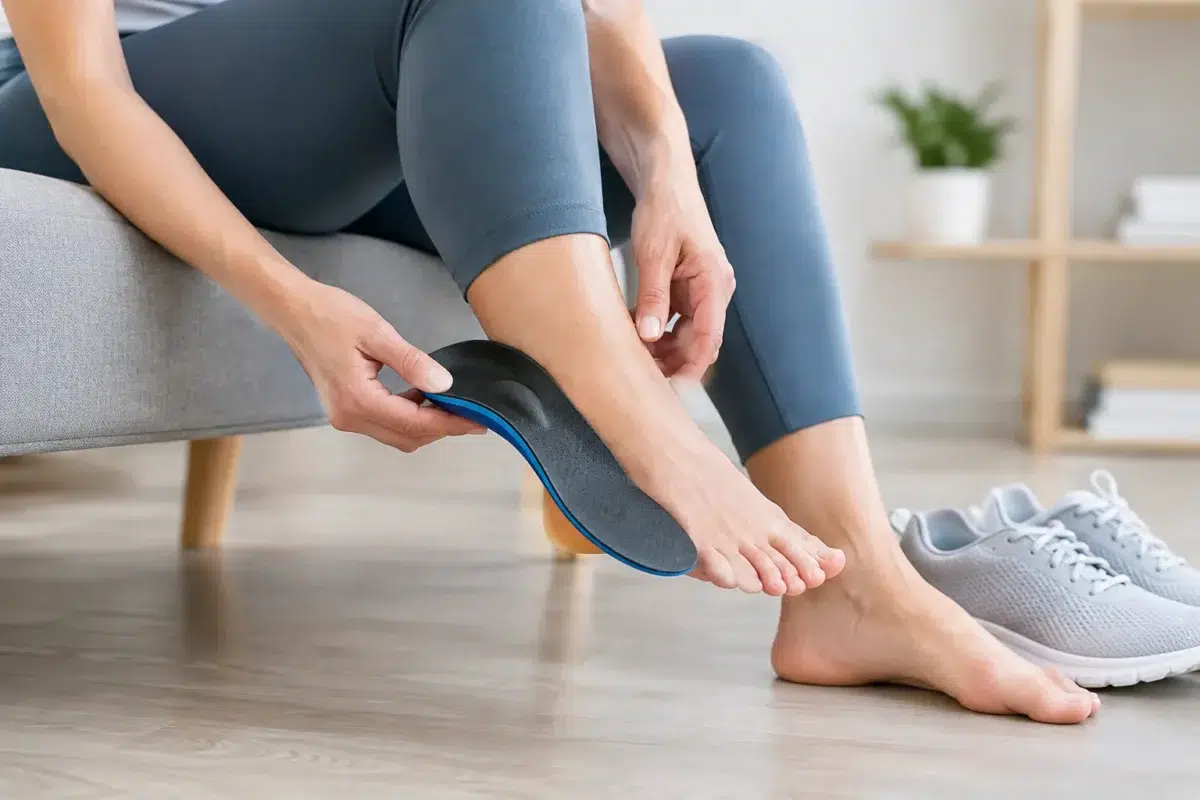
Orthotics should make walking, standing, and exercise feel more supported over time – not create a new source of pain. Knowing how to use orthotics properly helps your feet adjust gradually while allowing the device to support the way your body moves. Whether you use custom orthotics for heel pain, flat feet, knee discomfort, plantar fasciitis, arthritis, or work-related strain, the fit, shoe choice, and break-in period all matter.
A well-made orthotic is not simply a cushion placed in a shoe. It is designed to influence foot position, distribute pressure more effectively, and support movement through the ankles, knees, hips, and lower back. That is why a personalized approach is more useful than wearing an insert all day from the first day.
Start With a Gradual Break-In Period
Even when orthotics feel comfortable at first, your muscles and joints may need time to adapt. The device can change how pressure is shared across your foot and alter the way you walk. This adjustment is expected, especially if you have been compensating for pain or poor foot mechanics for a long time.
On the first day, wear your orthotics for one to two hours in supportive shoes. Add one or two hours each day as long as you are comfortable. Most people can build up to regular daily use over one to two weeks, although the right pace depends on the condition being treated, the rigidity of the orthotic, and your activity level.
Mild awareness under the arch or a sense that your foot is working differently can be normal early on. Sharp pain, numbness, blisters, increasing knee or back pain, or symptoms that continue after removing the orthotics are not signs to push through. Stop wearing them and arrange a reassessment. An orthotic may need an adjustment, or the issue may be related to footwear, gait, strength, or an underlying injury.
How to Use Orthotics Properly in Your Shoes
Orthotics work best when the shoe provides a stable base. A quality custom device cannot fully compensate for a shoe that is worn out, too narrow, excessively flexible, or too shallow to hold it securely.
Begin by removing the shoe’s original insole if it is removable. Place the orthotic flat inside the shoe, with the heel seated fully against the back. Do not layer an orthotic on top of a thick existing insole unless your clinician has instructed you to do so. Stacking inserts can raise your heel too high, crowd your toes, and change the fit around the ankle.
Your heel should sit securely without slipping, and your toes should have room to move. If the shoe feels tighter across the top of the foot, look for a deeper style with a removable insole, adjustable laces, or a wider fit. Athletic shoes, walking shoes, and many work shoes are often easier to pair with orthotics than loafers, fashion boots, sandals, or narrow dress shoes.
It is also common to need different footwear for different activities. A work boot may require a different profile than a running shoe. If you wear safety footwear for long shifts, bring it to your orthotic fitting or follow-up appointment whenever possible. The best orthotic is one that works in the shoes you realistically wear most often.
Use Both Orthotics Unless Advised Otherwise
Custom orthotics are generally prescribed as a pair, even if pain occurs on only one side. The goal is often to support alignment and load management on both feet. Wearing one device while leaving the other shoe unchanged can create an unwanted height difference and place more stress on the hips or lower back.
There are exceptions, such as a lift prescribed for a leg-length difference or a device intended for one specific foot. Follow the directions provided with your orthotics rather than assuming that one approach suits every condition.
Match Orthotic Use to Your Daily Activity
For the first week or two, use your orthotics during normal, lower-impact activities such as household tasks, errands, short walks, or part of your workday. Delay a long hike, a full day on your feet, or a high-intensity run until you know how your body responds.
If you are returning to exercise after foot, ankle, knee, or hip pain, orthotics may be one helpful part of the plan, but they are rarely the complete answer. Stiff calves, reduced hip strength, poor balance, and a rapid increase in training volume can all continue to overload the feet. A physiotherapist can assess how you walk, squat, climb stairs, or run and provide exercises that support lasting improvement.
For people whose work involves standing on concrete, lifting, or repetitive walking, it can help to track symptoms over the first few weeks. Note when discomfort starts, where it is located, what shoes you wore, and whether symptoms settle after rest. This information makes it easier to identify whether the concern is the orthotic fit, workload, footwear, or a separate condition requiring care.
Keep Your Orthotics in Good Condition
A simple care routine protects both the orthotics and your feet. Remove them from your shoes periodically to allow them to air out, particularly after exercise or a long work shift. Wipe the surface gently with a damp cloth and mild soap if needed, then let them dry naturally at room temperature.
Avoid putting orthotics in a washing machine, dryer, or near a direct heat source. Excessive heat can warp the shell, weaken adhesives, or damage the top cover. If your orthotics get wet, take them out of the shoes and let them dry fully before wearing them again.
Check them regularly for visible wear. A compressed top cover, cracked shell, peeling material, or uneven surface can affect comfort and support. Orthotics do not have one fixed lifespan. Their durability depends on materials, body weight, occupation, footwear, and how often they are worn. Someone who works long shifts on their feet may need review sooner than someone who uses the same device only for occasional walks.
When Discomfort Means You Need a Follow-Up
An orthotic should not be judged only by whether it feels soft. Some supportive devices feel firmer than a retail insole because they are designed to control movement or redistribute pressure. The more useful question is whether your function is improving: can you stand longer, walk with less pain, return to activities more comfortably, or recover better after a demanding day?
Contact your clinician if you notice any of the following:
- Pain that is worsening after the initial adjustment period
- Numbness, tingling, skin irritation, or recurring blisters
- New pain in the knees, hips, back, or opposite foot
- A change in walking pattern or difficulty fitting the orthotics into your usual shoes
- Continued foot pain despite consistent orthotic use and appropriate footwear
Sometimes the solution is a small modification to the orthotic. At other times, the treatment plan needs to address calf flexibility, joint mobility, strength, balance, inflammation, or an injury that was not fully identified at the first assessment. This is why follow-up care matters, particularly for chronic conditions and physically demanding jobs.
Orthotics Support Recovery, Not Passive Dependence
People sometimes worry that wearing orthotics will make their feet weaker. When prescribed appropriately, orthotics are intended to reduce excessive strain and make movement more tolerable while you remain active. They can create a more comfortable foundation for walking, working, and rebuilding strength.
That said, it depends on your diagnosis and goals. Some people need orthotics mainly during a painful flare-up, while others benefit from long-term use because of structural foot changes, arthritis, diabetes-related pressure concerns, or the physical demands of their work. Your plan should be based on your symptoms, footwear, activity, and response to treatment rather than a one-size-fits-all rule.
At Churchill Physiotherapy Clinic, custom orthotics can be part of a broader rehabilitation plan that addresses both foot pain and the movement patterns contributing to it. The aim is not simply to place support under your feet, but to help you move through daily life with greater comfort and confidence.
Give your body time to adapt, wear your orthotics in shoes that can support them, and pay attention to changes in your symptoms. A timely adjustment can turn an uncomfortable device into a meaningful tool for safer, more comfortable movement.