

Are Custom Orthotics Worth It for Foot Pain?
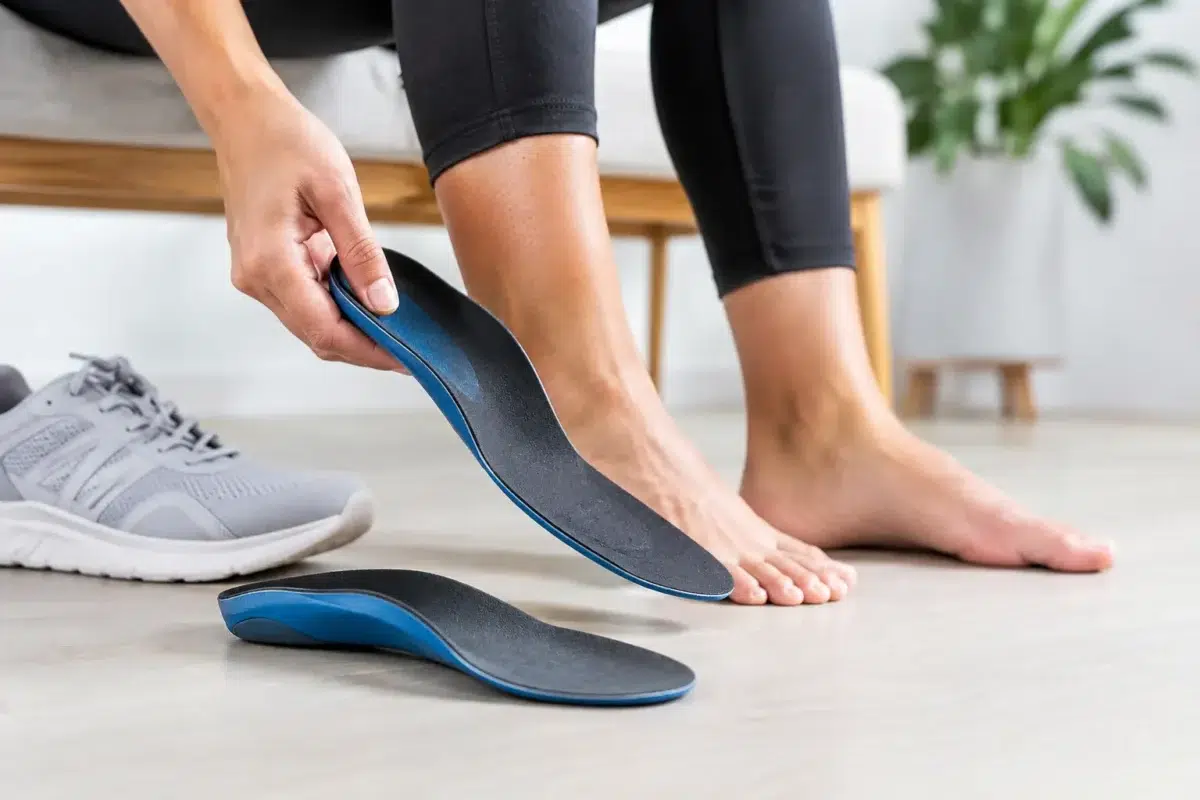
Heel pain that makes the first steps of the morning difficult, knee discomfort after a work shift, or aching feet that limit a walk can change how you move through the day. In these situations, many people ask: are custom orthotics worth it? For the right person, they can be a valuable part of care. But they are not automatically necessary for every sore foot, and they work best when they are prescribed for a clear clinical reason.
A custom orthotic is designed to support the way your individual feet move and bear weight. It may reduce strain on irritated tissues, improve comfort in footwear, and help you stay active while recovering from an injury or managing an ongoing condition. The value comes from the assessment and the fit, not simply from placing an insert into a shoe.
What custom orthotics are designed to do
Custom orthotics are medical devices worn inside shoes. They are made from measurements or a cast of your feet, along with an assessment of your posture, walking pattern, footwear, symptoms, and daily demands. They can be firm, semi-rigid, or more cushioned depending on the problem being addressed.
Their purpose is not to force every foot into a perfectly flat or perfectly arched position. Instead, a well-designed orthotic can redistribute pressure, support areas that are working too hard, cushion sensitive areas, and guide motion where excessive movement is contributing to pain. For someone who stands on concrete all day, that may mean improving comfort and reducing fatigue. For a runner, it may mean managing load through the foot and lower leg while returning to training gradually.
Orthotics are commonly considered for plantar heel pain, Achilles tendon irritation, forefoot pain, flat feet that become painful, high arches with pressure points, arthritis-related discomfort, diabetic foot concerns, and some knee, hip, or lower-back symptoms influenced by foot mechanics. A diagnosis still matters. Similar pain in the same location can have very different causes.
Are custom orthotics worth it for your situation?
They may be worth the investment when foot mechanics or pressure distribution are clearly contributing to symptoms, and when the device is part of a broader plan to restore function. They can be particularly helpful if pain regularly interferes with work, exercise, caregiving, or everyday walking despite appropriate footwear and basic self-management.
A person with recurring plantar fasciitis, for example, may benefit from an orthotic that supports the arch and reduces pull on the plantar fascia. Yet the most effective plan may also include calf mobility work, gradual strengthening of the foot and lower leg, changes to activity volume, and footwear guidance. The orthotic can make daily movement more comfortable while those other factors are addressed.
Custom orthotics may also be a sensible option when an off-the-shelf insert has helped somewhat but does not fit well, wears out quickly, creates pressure in the wrong spot, or fails to meet a specific need. This is common for people with notable differences between their feet, prior injuries, structural changes, or work shoes that create unique fitting challenges.
They may be less necessary for short-term soreness caused by a recent increase in walking, a worn-out pair of shoes, or an activity change that can be managed with rest, gradual loading, and simple footwear adjustments. Many people do well with a quality prefabricated insert. A clinical assessment should help you choose the least complicated option that is likely to meet your goals.
Why the assessment matters as much as the orthotic
A custom device is only as useful as the information used to create it. Before recommending one, a qualified provider should ask where your pain occurs, when it started, which activities aggravate it, what footwear you use, and what you need to return to. They should also examine your feet, ankles, knees, hips, strength, flexibility, balance, and walking pattern as appropriate.
This process helps identify whether the problem is primarily related to loading, mobility, weakness, footwear, training volume, a nerve issue, or another medical concern. It also helps rule out situations that need timely medical attention, such as a significant fracture, infection, circulation issue, or progressive numbness.
At Churchill Physiotherapy Clinic, custom orthotics are considered within the context of your movement, symptoms, work requirements, and recovery goals. This individualized approach matters because an orthotic for prolonged standing at work may look and feel different from one designed for court sports, walking outdoors, or accommodating a painful arthritic joint.
Custom orthotics versus store-bought inserts
Prefabricated inserts are not inherently inferior. They are often affordable, accessible, and useful for mild symptoms or temporary support. A supportive store-bought option can be a practical first step for many people, especially when paired with appropriate shoes and a progressive exercise plan.
The limitation is that prefabricated inserts are made for a general foot shape and a general purpose. They cannot account for your precise pressure points, leg-length difference, unusual arch shape, specific joint restrictions, or footwear needs. They also tend to offer fewer options for targeted modifications.
Custom orthotics are usually more expensive because they involve a professional assessment, individualized design, fabrication, and fitting. The difference is not that custom always means better. It means the device can be tailored when standard support is not enough or is not appropriate. A reputable provider should be able to explain why a custom device is recommended in your case rather than presenting it as the answer to every foot complaint.
What results can you realistically expect?
The best outcome is usually not a dramatic overnight cure. Most people notice changes gradually as they become accustomed to the device and as irritated tissues settle. Early adjustments may be needed, especially if you have been walking with pain for months or have changed your movement patterns to compensate.
A successful orthotic should feel supportive rather than aggressively painful. Mild awareness or temporary adjustment is possible, but increasing pain, rubbing, numbness, or new symptoms should be reviewed promptly. The fit of the shoe matters too. Even an excellent orthotic cannot perform well in footwear that is too narrow, unstable, worn out, or poorly matched to your activity.
It is also reasonable to expect a plan for follow-up. Your symptoms may change as you recover, your work demands may shift, or your device may need an adjustment after a break-in period. Children, growing teens, and adults with changing health needs may require reassessment more often.
Orthotics work best as part of active care
For many conditions, passive support alone is not enough for durable improvement. Pain can alter strength, balance, and confidence in movement. Addressing those changes helps reduce the chance that discomfort simply returns when the orthotic is not being worn.
Depending on your diagnosis, active care may include foot and ankle strengthening, calf mobility, balance training, manual therapy, gait education, or a gradual return-to-activity plan. If you are recovering from a workplace injury, a motor vehicle accident, or a sports injury, your plan may also need to account for job tasks, endurance, and safe movement demands.
This does not mean you must stop using an orthotic once you feel better. Some people benefit from long-term use, particularly for structural foot changes, arthritis, high-impact activities, or long workdays on hard surfaces. Others use them temporarily while building capacity and addressing the cause of their symptoms. The right approach depends on your body and your goals.
Questions to ask before you decide
Before purchasing custom orthotics, ask what problem they are intended to address, what changes you should expect, and how they fit into your overall treatment plan. Ask whether a prefabricated option is reasonable, whether your work or extended health benefits may provide coverage, and what follow-up or adjustments are included. Coverage varies by plan, so it is wise to confirm requirements before your appointment.
You should also ask about footwear. Bringing the shoes you wear most often, including work shoes or athletic shoes, can help ensure the orthotic is designed for real life rather than an idealized version of it.
Custom orthotics are worth considering when they are based on a thorough assessment, matched to a specific need, and supported by a plan that helps you move with more comfort and confidence. If foot pain is changing the way you work, walk, or stay active, an individualized assessment can give you a clearer next step than guessing which insert to buy.