

How Manual Therapy Reduces Pain and Restores Movement
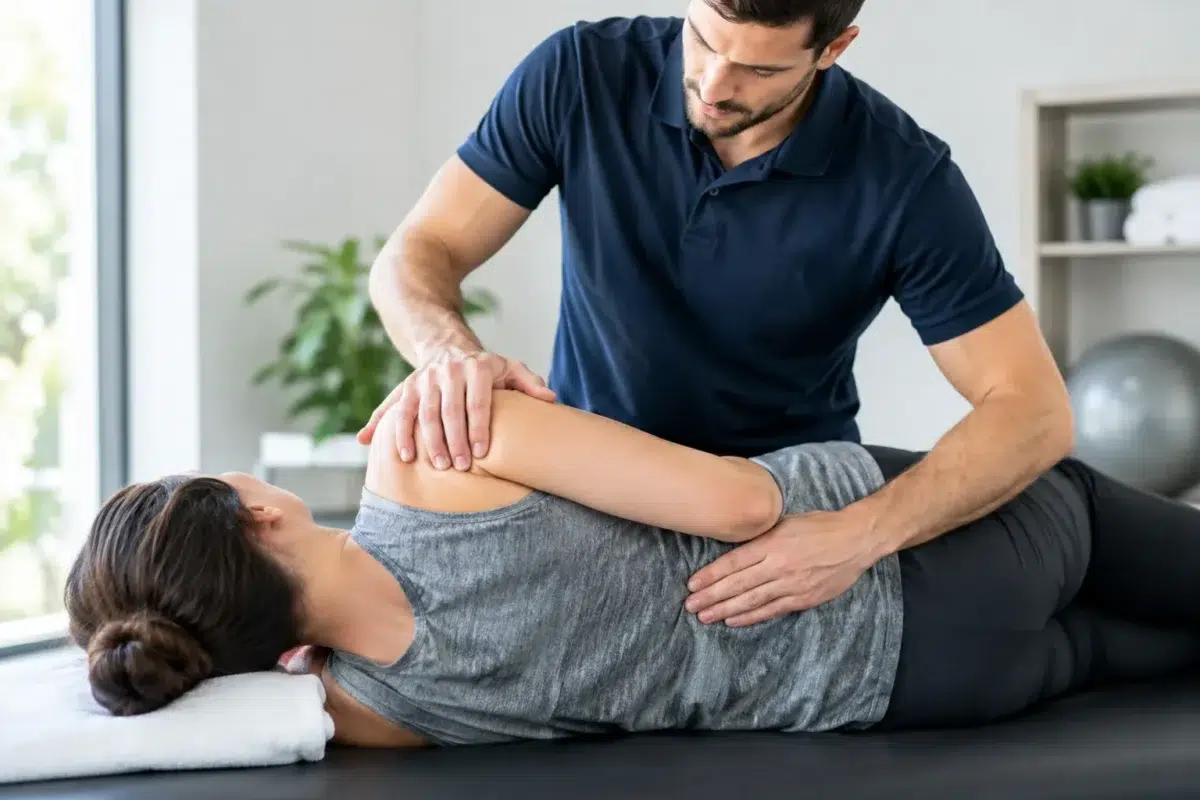
A stiff neck that makes checking a blind spot difficult, low back pain that flares after a work shift, or a shoulder that will not reach the top shelf can quickly affect daily life. Understanding how manual therapy reduces pain can help you decide whether hands-on treatment may be an appropriate part of your recovery plan.
Manual therapy is not a single technique or a quick fix applied the same way to every injury. It is a clinical approach in which a licensed therapist uses skilled hands to assess and treat joints, muscles, connective tissues, and movement restrictions. At Churchill Physiotherapy Clinic, hands-on care is paired with a personalized rehabilitation plan so that pain relief also supports safer, more confident movement over time.
What is manual therapy?
Manual therapy describes several hands-on treatment methods used by physiotherapists, chiropractors, osteopaths, and other regulated health professionals within their scope of practice. Treatment may include joint mobilization, soft tissue techniques, gentle stretching, assisted movement, or, when appropriate, a specific joint manipulation.
The right technique depends on what the assessment finds. Pain in the hip may be influenced by joint stiffness, reduced muscle control, a recent strain, or a combination of factors. An experienced therapist considers the location and behaviour of your symptoms, your medical history, your work and activity demands, and how you move before deciding whether manual treatment is suitable.
Manual therapy can be useful for many musculoskeletal concerns, including neck and back pain, sports injuries, tendon and muscle irritation, postural strain, joint stiffness, headaches related to the neck, and recovery after certain accidents or workplace injuries. It may also be used alongside massage therapy, acupuncture, exercise therapy, or other services when clinically appropriate.
How manual therapy reduces pain
Pain is protective, but it is not always a precise measure of tissue damage. After an injury, surgery, repetitive work, or a period of reduced activity, the nervous system and surrounding tissues can become more sensitive. Movement may feel guarded, joints can become stiff, and muscles may tighten to protect an area that feels threatened.
Hands-on treatment can help change this pattern in several ways.
It improves movement in stiff joints and tissues
A joint that has not been moving well can make ordinary tasks feel limited or painful. For example, reduced upper-back mobility may increase the strain felt in the neck and shoulders during desk work. Gentle, graded joint mobilizations can improve how comfortably a joint moves and may reduce the sense of restriction.
Soft tissue techniques can also address areas of muscular tension or sensitivity. The goal is not to force tissue into place. It is to use an appropriate amount of pressure and movement to help the body tolerate motion more comfortably. Treatment should be adjusted to your symptoms and response, not pushed through significant pain.
It changes the pain signal
Touch, pressure, and guided movement provide the nervous system with new sensory information. For some people, this can temporarily reduce pain sensitivity, calm protective muscle guarding, and make movement feel less threatening. This response is one reason a person may feel looser or more comfortable after a session.
The effect varies. Some patients notice meaningful relief right away, while others require several visits and a consistent home exercise program before change is noticeable. Manual therapy is most effective when it is used purposefully, with clear functional goals rather than as a passive treatment patients rely on indefinitely.
It helps restore confidence in movement
Pain often changes behaviour. You may avoid bending, turning, lifting, or walking farther than necessary because you expect symptoms to worsen. Avoidance can be understandable in the short term, but prolonged guarding may lead to more stiffness, weakness, and loss of confidence.
A therapist can use manual therapy to make an uncomfortable movement more manageable, then guide you through that movement in a controlled way. This creates an opportunity to rebuild trust in your body. If reaching overhead becomes easier after shoulder treatment, targeted exercises can reinforce that gain and improve your ability to use the arm at work, at home, or in the gym.
Why exercise is usually part of the plan
Manual therapy can create a valuable window of reduced pain and improved mobility. Exercise helps make that window useful. Strengthening, mobility work, balance training, and gradual exposure to daily tasks help the body adapt to the demands that matter to you.
For a person with low back pain, this may mean learning a comfortable way to bend and lift while improving hip and trunk strength. For someone recovering from a motor vehicle accident, it may involve restoring neck movement, shoulder control, and tolerance for driving or computer work. For an older adult concerned about mobility, treatment may combine hands-on techniques with walking, balance, and leg-strengthening exercises.
The balance between treatment and exercise changes over time. In a highly irritable acute injury, a therapist may begin with gentle symptom relief and simple movements. As pain settles, the focus should shift toward active rehabilitation and returning to normal function. This progression is one of the reasons individualized care matters.
What a manual therapy appointment should feel like
A quality appointment begins with assessment, not assumptions. Your therapist should ask about your symptoms, previous injuries, medications, medical conditions, work duties, activity goals, and any concerning changes in your health. They will assess movement, strength, joint mobility, and other relevant factors before discussing treatment options.
During care, you should understand what is being done and why. Some techniques can produce short-term tenderness, particularly when an area has been sensitive or inactive. However, sharp pain, worsening neurological symptoms, severe dizziness, or discomfort that feels wrong should be communicated immediately. Treatment can be modified, paused, or replaced with another approach.
After treatment, your therapist may recommend a small number of exercises or practical changes, such as adjusting your workstation, pacing a return to activity, using heat or cold when appropriate, or changing how you lift and carry. The most useful plan is one you can realistically follow between visits.
When manual therapy may not be the right first step
Hands-on treatment is not appropriate for every painful condition. A therapist may need to modify or avoid certain techniques when there is a fracture, significant instability, active infection, inflammatory flare, severe osteoporosis, recent surgery, vascular concern, or another medical issue requiring further assessment.
Seek urgent medical attention for symptoms such as sudden weakness, loss of bladder or bowel control, numbness in the saddle area, unexplained fever with severe pain, chest pain, or pain following a significant trauma. New or worsening dizziness, severe headache, unexplained weight loss, or persistent night pain also deserves timely medical evaluation.
Even when manual therapy is appropriate, it is not a guarantee of immediate or permanent relief. Chronic pain can involve sleep, stress, workload, mood, previous injuries, and nervous system sensitivity as well as physical restrictions. A good care plan acknowledges these factors without dismissing your pain.
Getting more from hands-on treatment
The best results usually come from active participation. Tell your therapist what activities matter most to you, whether that is returning to a physical job, carrying a child, sleeping more comfortably, playing a sport, or walking without fear of falling. Clear goals help guide treatment and make progress easier to measure.
Pay attention to how symptoms respond over the next 24 to 48 hours, not only how you feel when you leave the clinic. Some soreness can be normal, but a substantial or prolonged flare may mean the treatment intensity or exercise dosage needs adjustment. Recovery should feel challenging at times, but it should remain safe and manageable.
Manual therapy is most valuable when it helps you move forward: turning your head farther, standing longer, reaching more easily, walking with better balance, or returning to the activities pain has placed on hold. With a thoughtful assessment and a plan built around your goals, hands-on care can be a practical starting point for lasting recovery.